Information as at 15 August 2026
This page is a relocation summary written by an advanced AI
It is not a personal opinion piece written by a human. An AI gathered official information published on the internet — municipal and national statistics, the Japan Meteorological Agency, railway companies, property portals — and rebuilt it into a form that someone considering a move can read and act on. Every figure carries a source link and the date it was checked, so please confirm anything that matters to you against the original document. Rules and prices change. Always check the latest information yourself before you sign anything.
Moving to Shimonoseki City
This is the town at the western tip of Honshu, facing Kyushu across the Kanmon Strait. From Shimonoseki Station to Kokura Station is 13 minutes and 340 yen by train. From Shin-Shimonoseki Station, Hakata is 25 minutes by Shinkansen. In other words, Shimonoseki is within commuting distance by train of both Kitakyushu City (population 920,000) and Fukuoka City (population 1,600,000). The area is 716.26km² — in 2005 four towns of Toyoura District were merged in, and the strait town, the fishing villages of the Sea of Japan and the inland hills became one city. There are 510 second-hand detached houses on the market now. All 510 listings were included in the tally. Prices run from 350,000 yen to 99,000,000 yen, with a median of 13,500,000 yen. 205 (40%) are 10,000,000 yen or less, and 113 are 5,000,000 yen or less.
Roadside stations: Kikugawa • Kitaura Kaido Hohoku • Hotaru Kaido Nishinoichi / National / quasi-national parks: Setonaikai National Park • Kita-Nagato Kaigan Quasi-National Park / Hot springs and day bathing: Kikugawa Onsen • Hino Onsen • Kawatana Onsen • Yoshida Onsen • Sun Green Kikugawa • Roadside Station Hotaru Kaido Nishinoichi • Yoshimi Onsen Center • Waraku no Yu • Okochi Onsen • Peaceful Seiryusen • Healthy Land Shimonoseki • Kikugawa Onsen • Hino Onsen • Yasuragi no Sato • Kawatana Onsen foot bath / RV parks: seaside villa HILIFE RV Park • RV Park smart Arukapoto
Sources: roadside stations from Ministry of Land, Infrastructure, Transport and Tourism list of roadside stations (checked 2026-08-21) / national and quasi-national parks were determined from Ministry of the Environment area data and other sources (details in section 17) (checked 2026-08-21) / hot springs and day bathing from OpenStreetMap (© OpenStreetMap contributors) (checked 2026-08-20) / RV parks from Japan RV Association, list of certified "Kuruma Tabi" RV parks (checked 2026-08-20). 🔴 Only the items a town actually has are shown — a town without them is not inferior.
Last verified 2026-08-15
CHAPTER 01First, what kind of place Shimonoseki is
The westernmost point of Honshu. It faces Kitakyushu City across the Kanmon Strait, with the Hibiki Sea to the west and the Sea of Japan to the north. The population is 237,743 in 127,357 households (end of June Reiwa 8, Basic Resident Register), and the area 716.26km² (1 January Reiwa 8, Geospatial Information Authority of Japan). It is the most populous city in Yamaguchi Prefecture.
The population fell by 17,159 in five years
The Reiwa 2 Census gave 255,051. The Reiwa 7 Census (preliminary) gives 237,892 — a fall of 17,159, or 6.7%, in five years. This figure matters both when you buy and when you sell. The fact that 510 homes are on the market and 40% of them are 10,000,000 yen or less is the other side of this population movement (section 9). It is also the reason the city is putting effort into relocation and settlement support (section 14).
Source:Shimonoseki City, "Population, households and area (latest)"(registered population = end of June Reiwa 8, Basic Resident Register / census = Reiwa 7 preliminary and Reiwa 2 final figures / area = 1 January Reiwa 8, Geospatial Information Authority of Japan, "Survey of Areas by Prefecture and Municipality") / checked 2026-08-15Map of Shimonoseki City
You can zoom and pan. The marker is Shimonoseki City Hall (Nabe-cho). Across the strait to the south (below) is Kitakyushu City; to the west (left) is the Hibiki Sea; and the long strip running north (up) is Toyoura and Hohoku, merged in 2005.
Map: © OpenStreetMap contributors
The five areas, and where the stations are
The built-up area is concentrated in the southern half of the city, and the San-in Main Line runs north along the Sea of Japan. Hatabu Station is where the Sanyo Main Line and the San-in Main Line divide. The stars mark stations that matter for transfers or the Shinkansen, and only Kokura Station is outside the city (in Kitakyushu City). Positions, directions and scale are based on actual coordinates (stations from OpenStreetMap, points from the Geospatial Information Authority of Japan). You can scroll sideways.
What should I know first about moving to Shimonoseki?
🔴 Not "the end of Honshu" but "the gateway to Kyushu." In 2005 five municipalities became one, and the city runs about 44km from north to south. It contains the built-up area on the strait, the fishing villages of the Hibiki Sea and the Sea of Japan, and the inland farmland and hills. It is the most populous city in Yamaguchi Prefecture.
CHAPTER 02Five areas, and life in each
Because the city runs 44km from north to south, within one Shimonoseki the median price varies 4.5-fold, from 3,800,000 yen to 17,140,000 yen, and the cold of a winter morning varies 40-fold (section 6). The strait side, the Sea of Japan side, or inland? That is the biggest dividing line in Shimonoseki.
Suits = people commuting to Kokura or Hakata / people who want to live without a car
Watch out for = much of this belt is low ground on the strait and the coast. Check the tsunami and storm surge projections by address (section 5)
Suits = people who weigh nearness to medical care heavily / people who like historic streets
Watch out for = this is the widest price range in the city (350,000 to 99,000,000 yen). Even within "Chofu" the substance differs completely, so look at the address and the land area
Suits = people who want to be near the town centre and by the sea
Watch out for = this is an island 1 to 47m above sea level. Checking the tsunami and storm surge maps is essential (section 5)
Suits = people who want to buy cheaply and spaciously by the sea / people who work remotely
Watch out for = about an hour to Shimonoseki Station on the San-in Main Line. Check the distance to shops and to a doctor first
Suits = a large plot and quiet / people who want to grow things
Watch out for = 73.7 days a year below freezing (the town centre has 1.8). It gets cold in a way that is hard to believe is the same city (section 6). Winter tyres are a given
Which part of Shimonoseki should I live in?
Because the city runs 44km from north to south, the median price varies 4.5-fold, from 3,800,000 yen to 17,140,000 yen, and the cold of a winter morning varies 40-fold. The strait side, the Sea of Japan side, or inland — that is the biggest dividing line in Shimonoseki.
CHAPTER 03Trains and cars — how you get around
The answer on transport in Shimonoseki can be put in a phrase — Kyushu is close. Shimonoseki Station to Kokura Station is 13 minutes; Shin-Shimonoseki to Hakata is 25 minutes. Fukuoka Prefecture is closer than any city in Yamaguchi Prefecture.
First, to Kyushu
| Section | Time | One way |
|---|---|---|
| Shimonoseki → Kokura | 13 min | 340 yen, no transfer (JR Sanyo Main Line, through the Kanmon Tunnel). In the 8 o'clock hour trains run every 10 to 30 minutes |
| Shin-Shimonoseki → Kokura | 8 min | 1,200 yen (Sanyo Shinkansen). By conventional line it is 26 minutes and 430 yen |
| Shin-Shimonoseki → Hakata | 25 min | 3,280 yen, no transfer (Sanyo Shinkansen). By conventional lines only it is 2 hours 18 minutes and 2,110 yen |
| Chofu → Shimonoseki | 16 min | ¥240 (JR Sanyo Main Line) |
To Tokyo
| Section | Time | One way |
|---|---|---|
| Tokyo → Shin-Shimonoseki | 5 hr 8 min | 21,020 yen, 1 transfer (Sanyo Shinkansen). Tokyo 7:12 → Shin-Shimonoseki 12:20 |
Getting around within the city
Within the city the links are the JR Sanyo Main Line (Shimonoseki — Hatabu — Chofu — Ozuki) and the JR San-in Main Line (Hatabu — Ayaragi — Yasuoka — Kawatana-Onsen — Kogushi — Kuroimura — Takibe), plus Sanden Kotsu buses. Hatabu Station is where the two lines divide, and once on the San-in Main Line the route runs north along the coast. Of the 510 listings, the nearest stops break down as JR Sanyo Main Line 300, JR San-in Main Line 143, Sanyo Shinkansen (Shin-Shimonoseki) 4 and bus stops 63. Nearly 90% have a JR station as their nearest stop — that is a feature of the Shimonoseki market. If you are house-hunting in Toyoura or Hohoku, a car is a given. Shimonoseki Station is about an hour away on the San-in Main Line, and Toyota and Kikugawa have no railway at all.
✈ Airports
The nearest is Kitakyushu Airport (hub airport, state-managed), about 33.9km in a straight line. Next is Yamaguchi Ube Airport (about 36.8km in a straight line). 🔴 These are straight-line distances. They are neither road distances nor journey times — please check how to actually get there with each operator's timetable.
🛣 Expressway junctions
This area has 3 entrances and exits (interchanges and junctions).
Chugoku Expressway = Shimonoseki Junction • Ozuki
Kanmon Expressway = Shimonoseki
How long does it take from Shimonoseki to Kokura and Hakata?
Kyushu is close — that is the answer in a phrase. From Shimonoseki Station, Kokura is 13 minutes and 340 yen (every 10 to 30 minutes in the 8 o'clock hour), and from Shin-Shimonoseki, Hakata is 25 minutes. Fukuoka Prefecture is closer than any city in Yamaguchi Prefecture.
CHAPTER 04Homes actually on the market right now
SUUMO lists 510 second-hand detached houses. This page takes in all 510 for its tally, and the list shows the 20 cheapest. Prices run from 350,000 yen to 99,000,000 yen, with a median of 13,500,000 yen. 205 (40%) are 10,000,000 yen or less, 113 are 5,000,000 yen or less, and 382 (75%) are 20,000,000 yen or less. The median land area is 231 square metres (about 70 tsubo) and the building 108 square metres. The median year of construction is 1982, and 253 (50%) were built in 1981 or earlier.
"Nearest the station first" converts everything to minutes — a walk of ◯ min, ◯ min by bus plus ◯ min from the stop, ◯ km by car (reckoned at 30 km/h) — and compares those. Listings with no such information always appear last, whatever the sort.
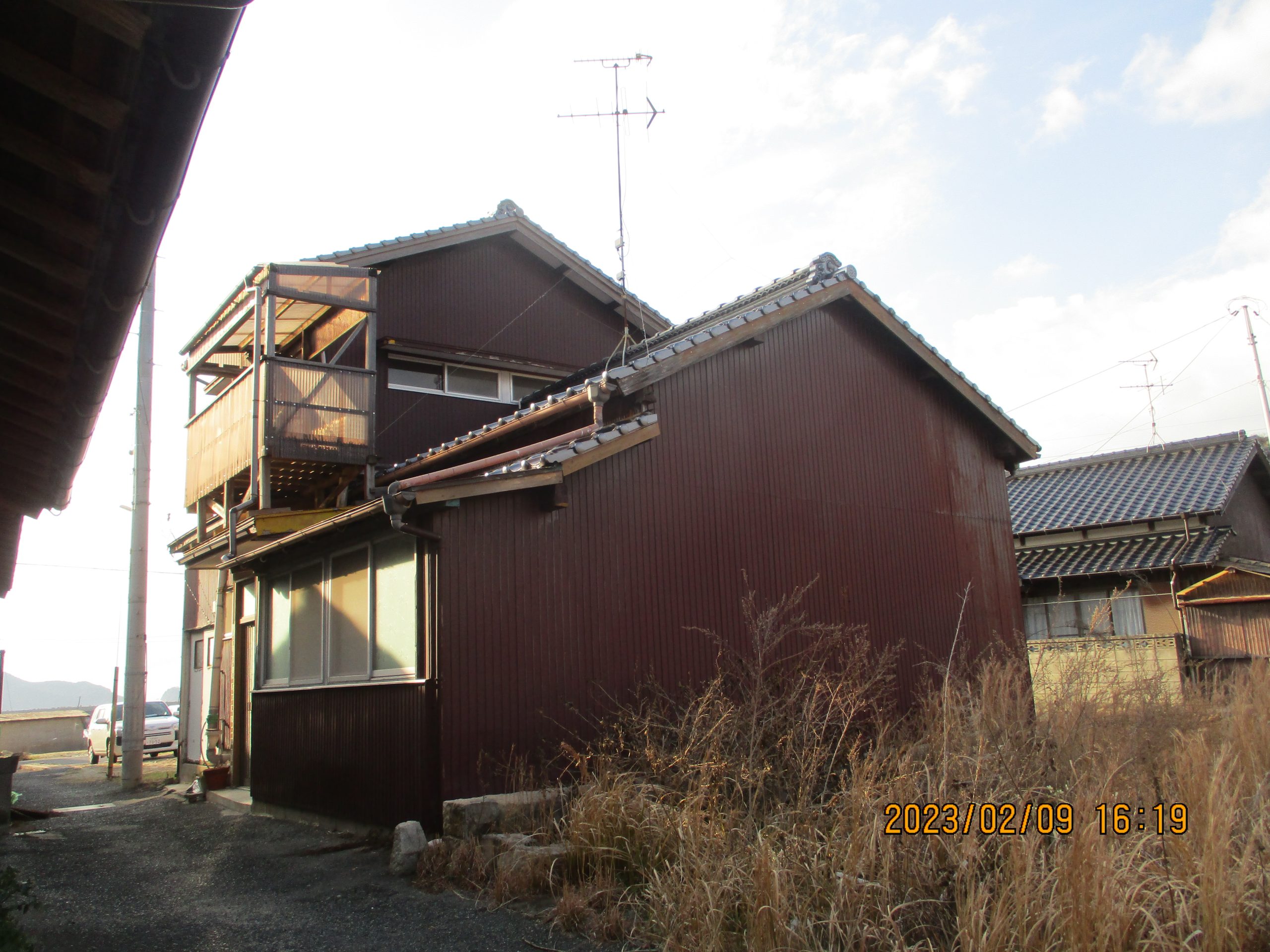
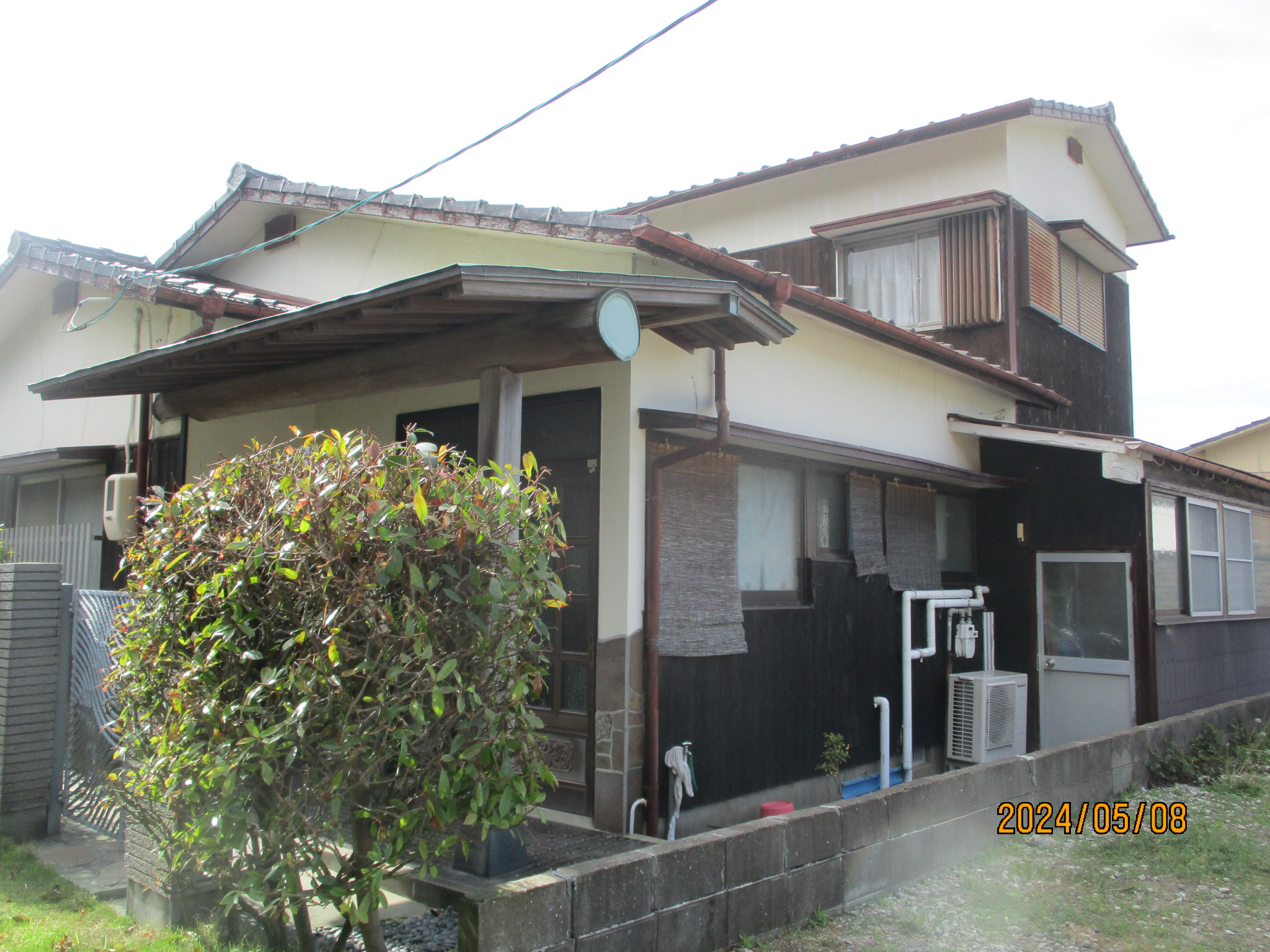
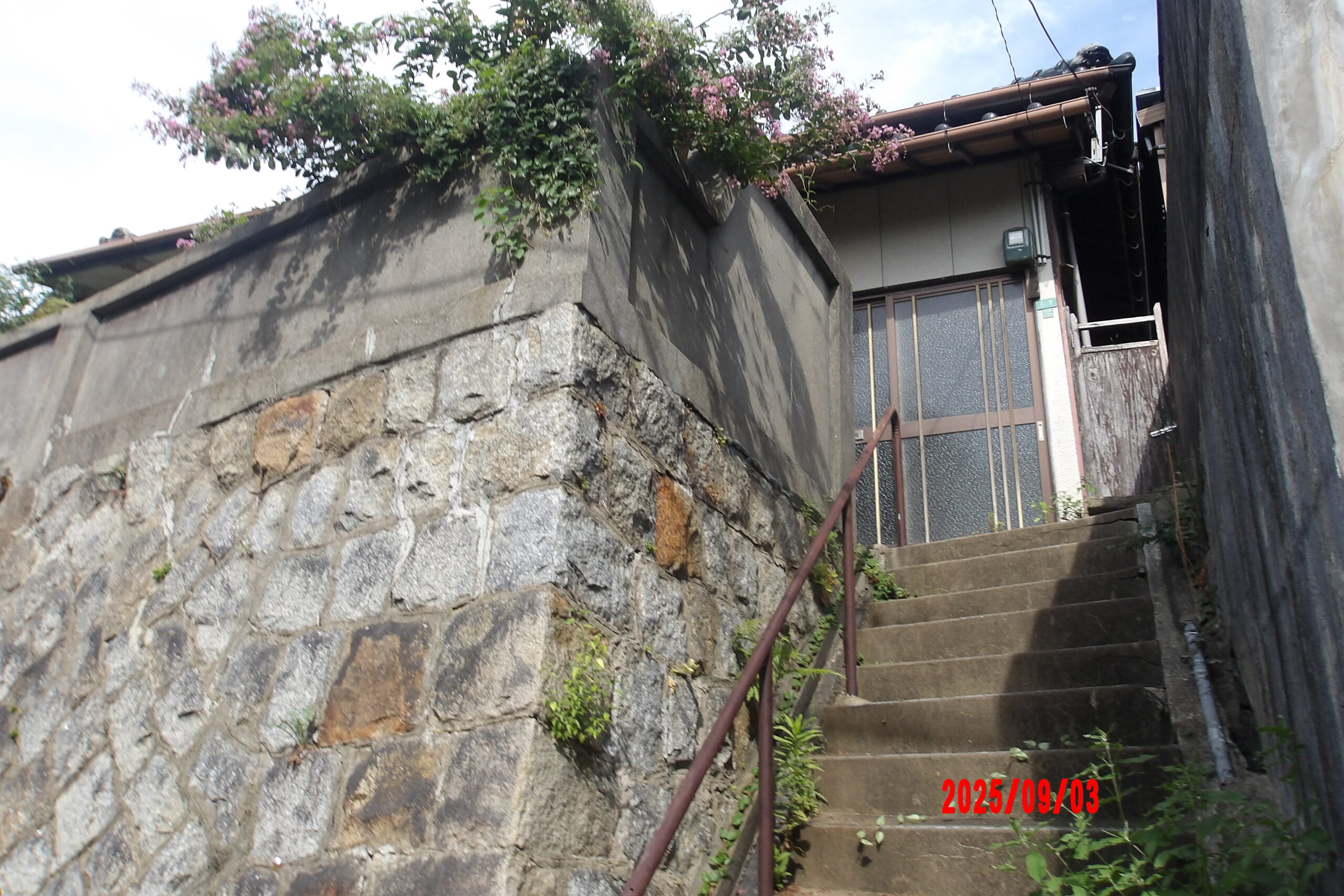
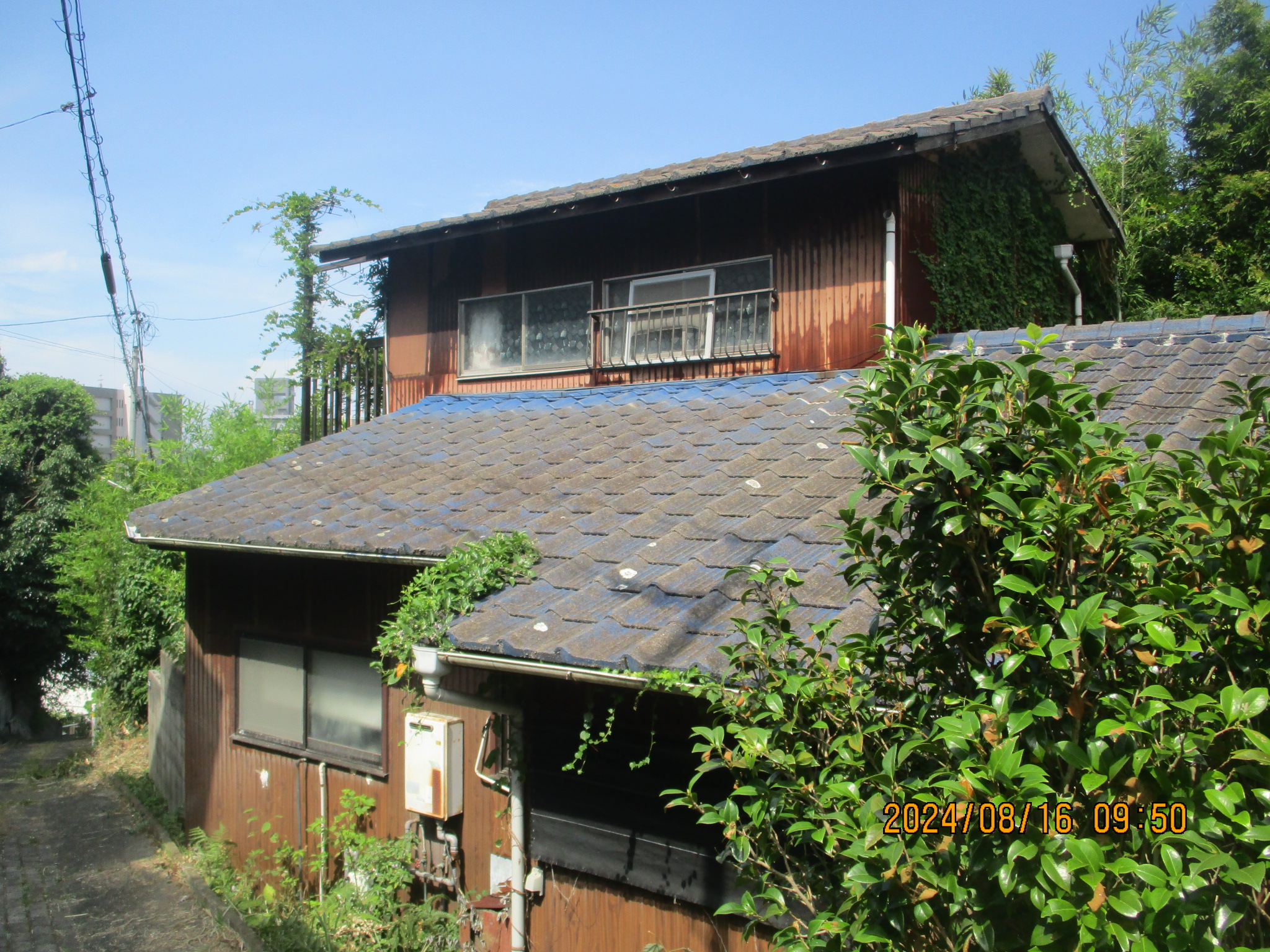
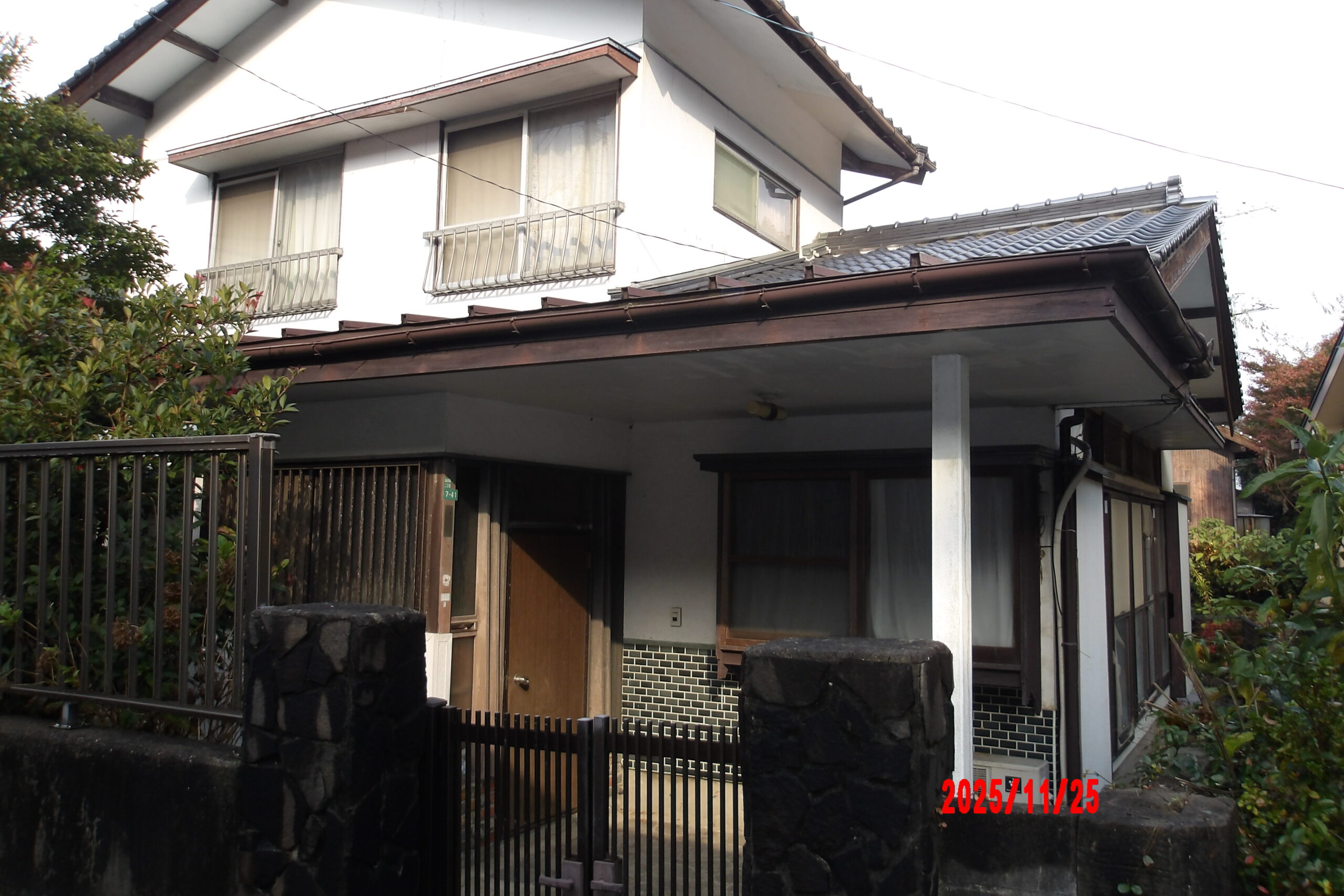
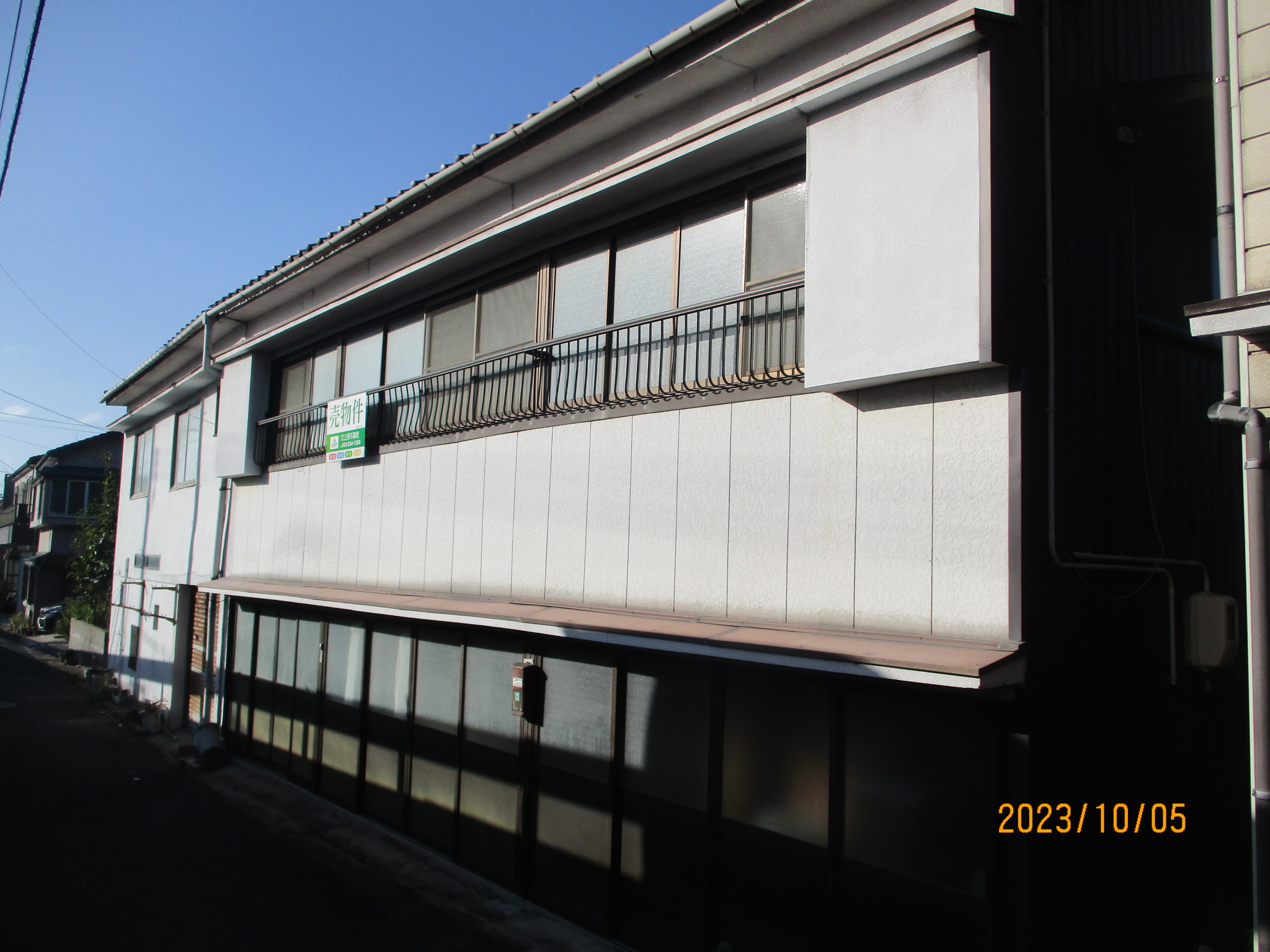
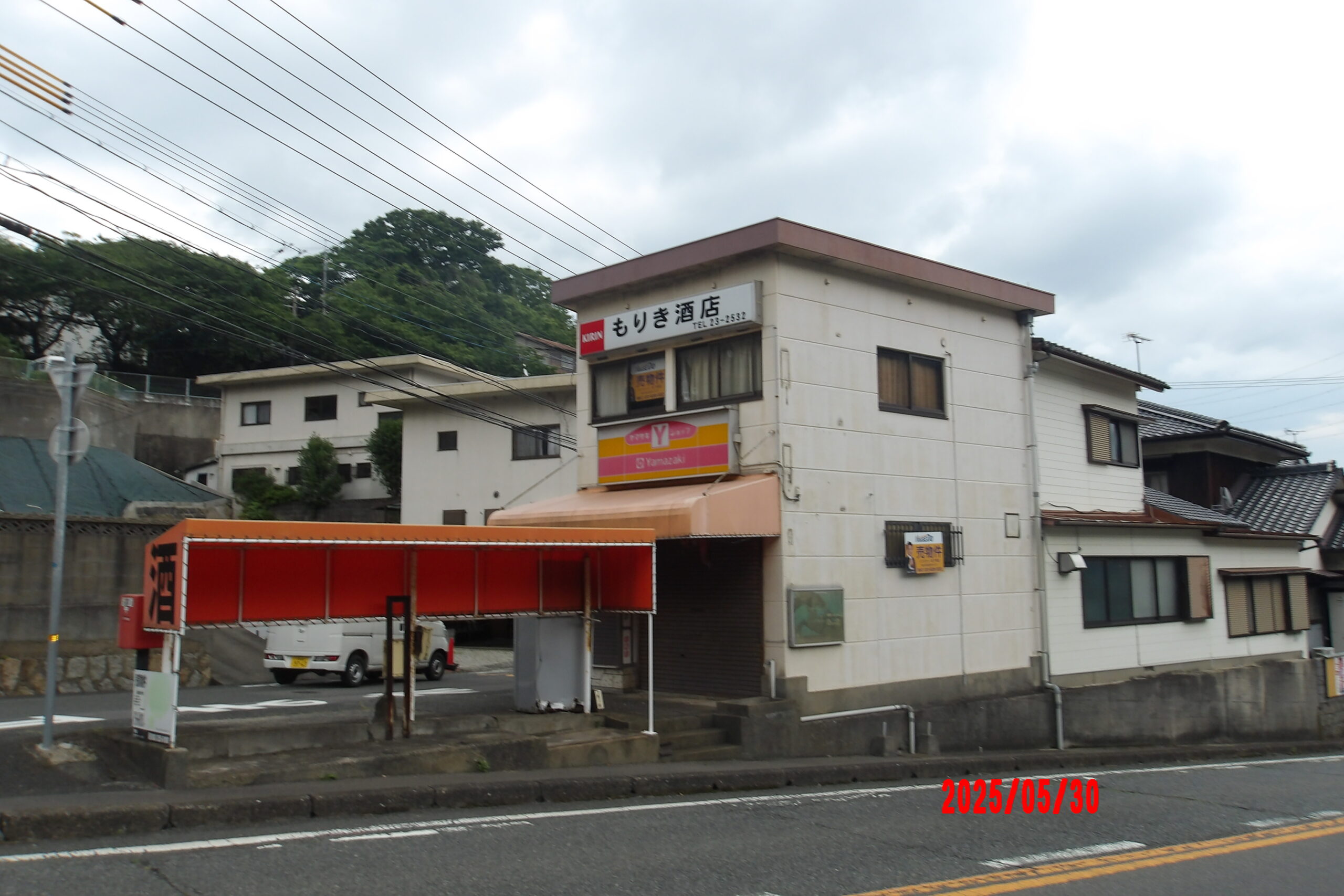
 Kusuno 3¥350,000The east (Chofu, Ozuki and Kiyosue)Elev. approx. 70 m / Land 134 m² (41 tsubo) / Building 75 m² (23 tsubo) / built 1975 / Shin-Shimonoseki Station bus 24 min+11 min walk8 photos →
 Takezaki-cho 1¥400,000The town centre (Shimonoseki Station, Karato and Shin-Shimonoseki)Elev. approx. 20 m / Land 62 m² (19 tsubo) / Building 52 m² (16 tsubo) / built 1900 / Shimonoseki Station 7 min walk7 photos →
 Nagatago 289-14¥700,000The town centre (Shimonoseki Station, Karato and Shin-Shimonoseki)Elev. approx. 40 m / Land 130 m² (39 tsubo) / Building 28 m² (9 tsubo) / built 1960 / Umegatao Station 8 min walk7 photos →
 Hikoshima Shiohama-cho 1¥800,000Hikoshima (the island in the Kanmon Strait)Elev. approx. 10 m / Land 182 m² (55 tsubo) / Building 92 m² (28 tsubo) / built 1973 / Shimonoseki Station bus 17 min+4 min walk2 photos →
 Hon-machi 1¥900,000The town centre (Shimonoseki Station, Karato and Shin-Shimonoseki)Elev. approx. 20 m / Land 96 m² (29 tsubo) / Building 109 m² (33 tsubo) / built 1977 / Shimonoseki Station bus 9 min+7 min walk8 photos →
 Toyoura-cho Kuroi¥1,000,000Toyoura and Hohoku (the coast of the Hibiki Sea and the Sea of Japan)Elev. approx. 20 m / Land 169 m² (51 tsubo) / Building 73 m² (22 tsubo) / built 1974 / Kuroimura Station 10 min walk8 photos →
 Hohoku-cho Yatama 60¥1,000,000Toyoura and Hohoku (the coast of the Hibiki Sea and the Sea of Japan)Elev. approx. 0 m / Land 128 m² (39 tsubo) / Building 121 m² (37 tsubo) / built 1975 / Kottoi Station 68 min walk10 photos →
 Kamitanaka-machi 4-14-2¥1,000,000The town centre (Shimonoseki Station, Karato and Shin-Shimonoseki)Elev. approx. 10 m / Land 71 m² (21 tsubo) / Building 39 m² (12 tsubo) / built 1965 / Shimonoseki Station 32 min walk10 photos →
 Meichi-cho 19-4¥1,000,000The town centre (Shimonoseki Station, Karato and Shin-Shimonoseki)Elev. approx. 20 m / Land 93 m² (28 tsubo) / Building 94 m² (28 tsubo) / built 1970 / Shimonoseki Station 26 min walk3 photos →
 Hohoku-cho Agawa 4648-3¥1,300,000Toyoura and Hohoku (the coast of the Hibiki Sea and the Sea of Japan)Elev. approx. 0 m / Land 164 m² (50 tsubo) / Building 119 m² (36 tsubo) / built 1976 / Agawa Station 16 min walk7 photos →
 Toyoura-cho Kogushi¥1,500,000Toyoura and Hohoku (the coast of the Hibiki Sea and the Sea of Japan)Elev. approx. 0 m / Land 236 m² (72 tsubo) / Building 110 m² (33 tsubo) / built 1969 / Kogushi Station bus 3 min+8 min walk8 photos →
 Hohoku-cho Awano¥1,500,000Toyoura and Hohoku (the coast of the Hibiki Sea and the Sea of Japan)Elev. approx. 10 m / Land 157 m² (47 tsubo) / Building 46 m² (14 tsubo) / built 1966 / Nagato-Awano Station 10 min walk8 photos →
 Hohoku-cho Awano¥1,500,000Toyoura and Hohoku (the coast of the Hibiki Sea and the Sea of Japan)Elev. approx. 0 m / Land 284 m² (86 tsubo) / Building 129 m² (39 tsubo) / built 1957 / Nagato-Awano Station 2 min walk8 photos →
 Miyada-machi 1¥1,500,000The town centre (Shimonoseki Station, Karato and Shin-Shimonoseki)Elev. approx. 20 m / Land 128 m² (39 tsubo) / Building 60 m² (18 tsubo) / built 1900 / Shimonoseki Station bus 9 min+6 min walk8 photos →
 Hohoku-cho Takibe¥1,500,000Toyoura and Hohoku (the coast of the Hibiki Sea and the Sea of Japan)Elev. approx. 70 m / Land 423 m² (128 tsubo) / Building 104 m² (32 tsubo) / built 1974 / Hohoku-cho Town Hall bus stop 4 min walk9 photos →
 Yoshida 1020-5 (lot number)¥1,500,000The east (Chofu, Ozuki and Kiyosue)Elev. approx. 10 m / Land 214 m² (65 tsubo) / Building 80 m² (24 tsubo) / built 1967 / Habu Station 71 min walk4 photos →
 Takezaki-cho 1-259-6¥1,500,000The town centre (Shimonoseki Station, Karato and Shin-Shimonoseki)Elev. approx. 20 m / Land 105 m² (32 tsubo) / Building 32 m² (10 tsubo) / built 1976 / Shin-Shimonoseki Station 9 min walk4 photos →
 Hohoku-cho Takibe¥1,500,000Toyoura and Hohoku (the coast of the Hibiki Sea and the Sea of Japan)Elev. approx. 70 m / Land 2013 m² (609 tsubo) / Building 136 m² (41 tsubo) / built 1900 / Takibe Station 9 min walk3 photos →
 Toyoura-cho Hoyodai 3¥1,500,000Toyoura and Hohoku (the coast of the Hibiki Sea and the Sea of Japan)Elev. approx. 50 m / Land 245 m² (74 tsubo) / Building 107 m² (32 tsubo) / built 1979 / Kuroimura Station bus 4 min+3 min walk2 photos →
 Chofu Matsuodaminami-machi 18-3¥1,500,000The east (Chofu, Ozuki and Kiyosue)Elev. approx. 20 m / Land 206 m² (62 tsubo) / Building 39 m² (12 tsubo) / built 1956 / Chofu Station 12 min walk9 photos →
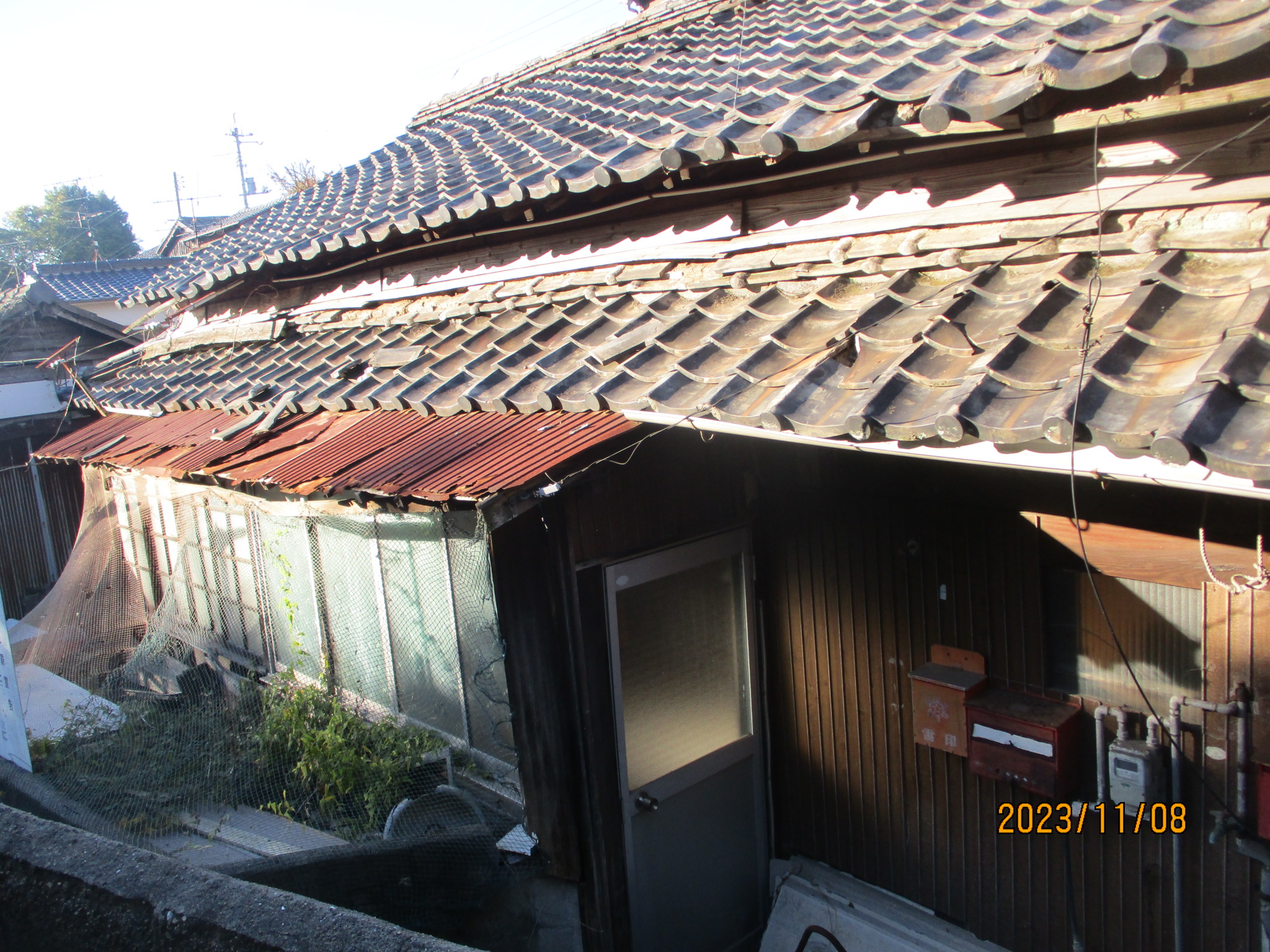
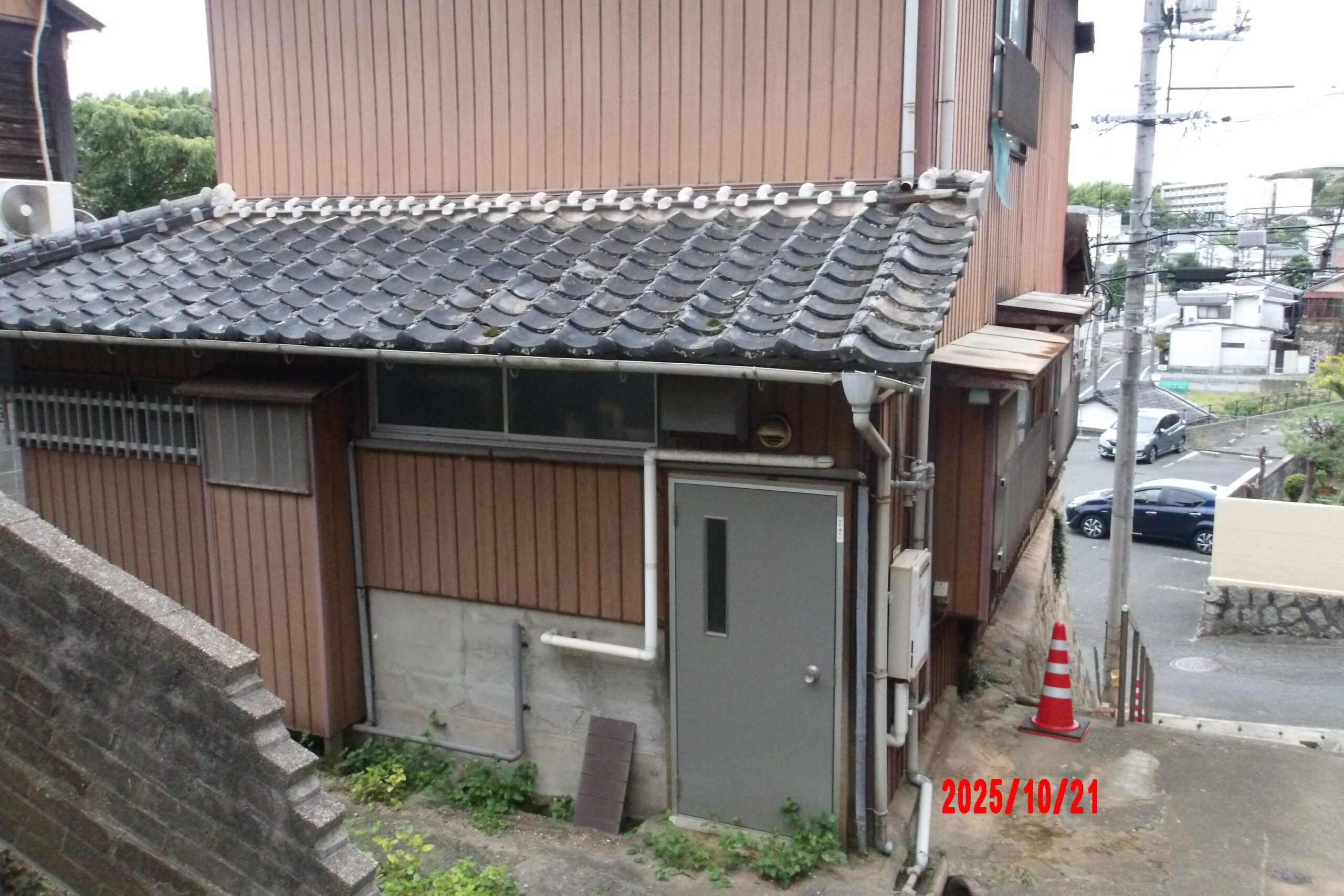
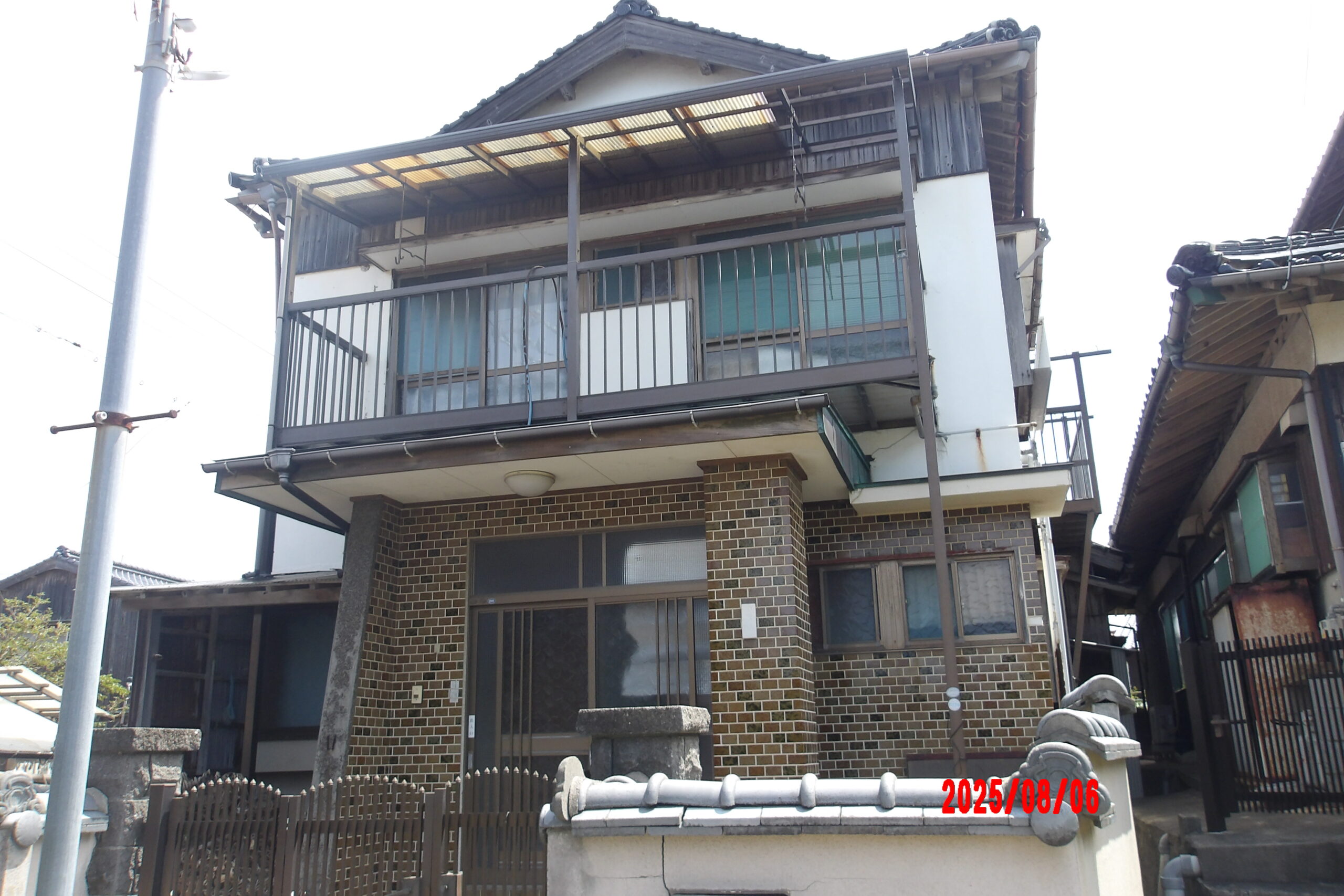
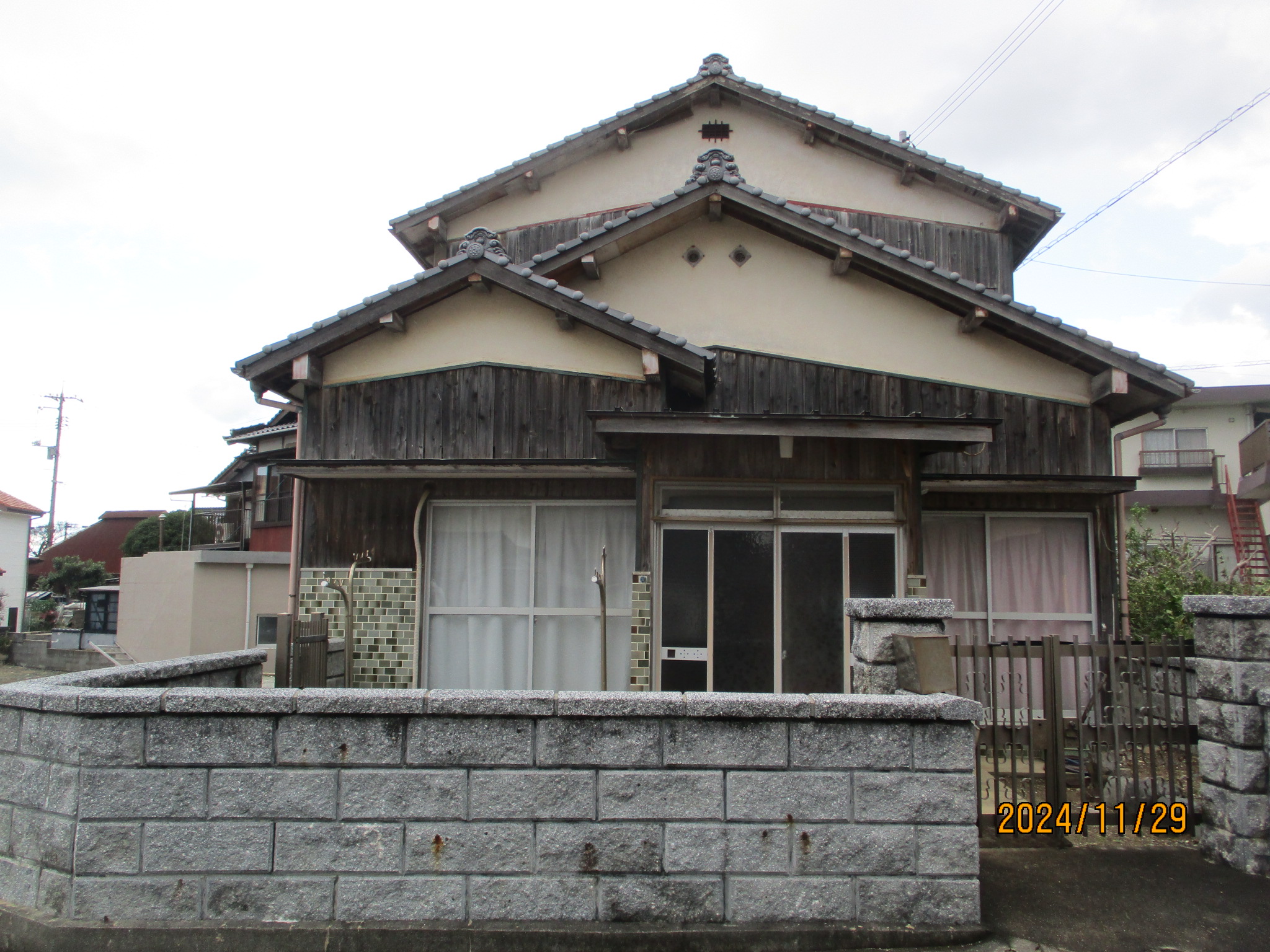
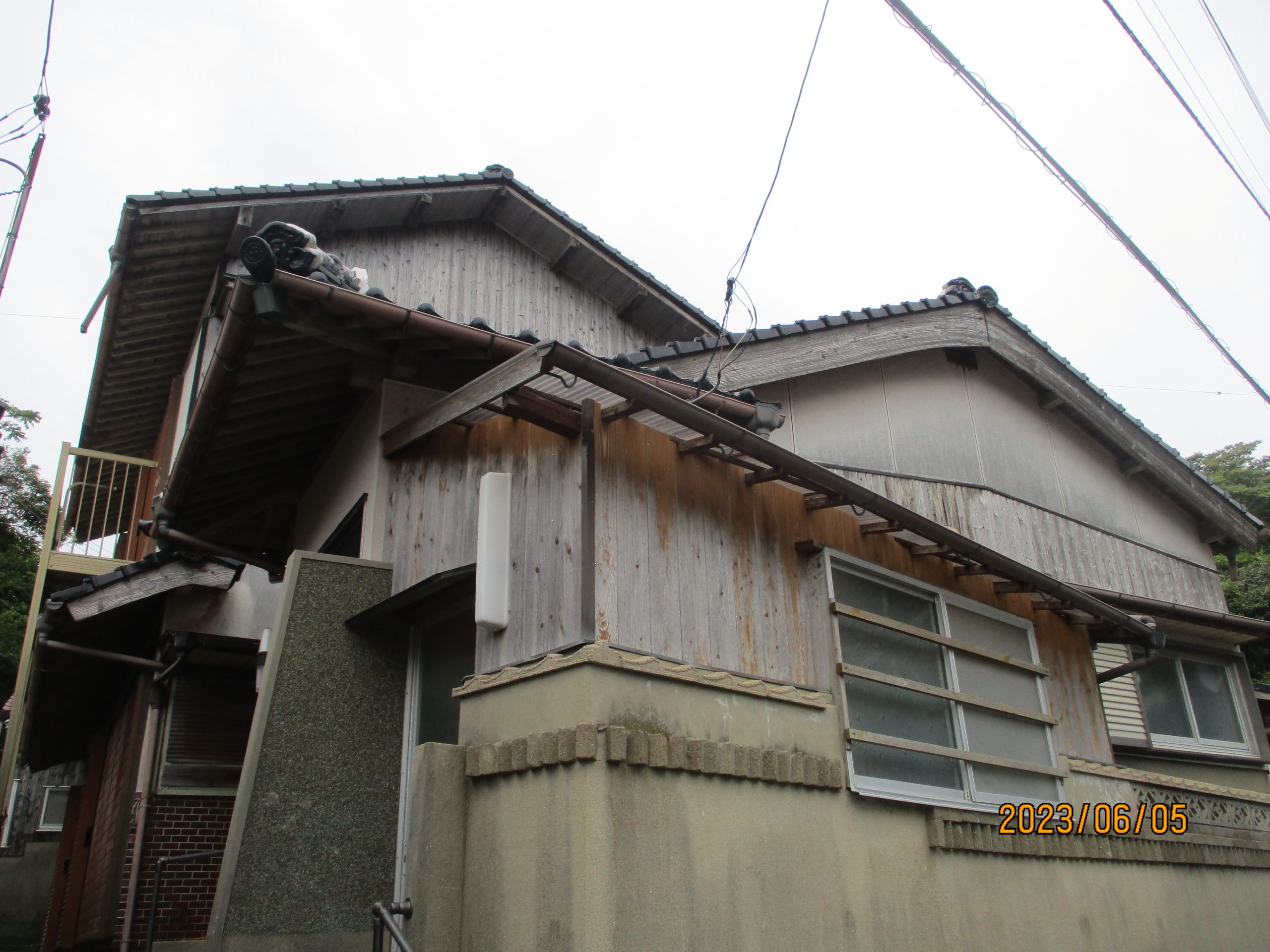
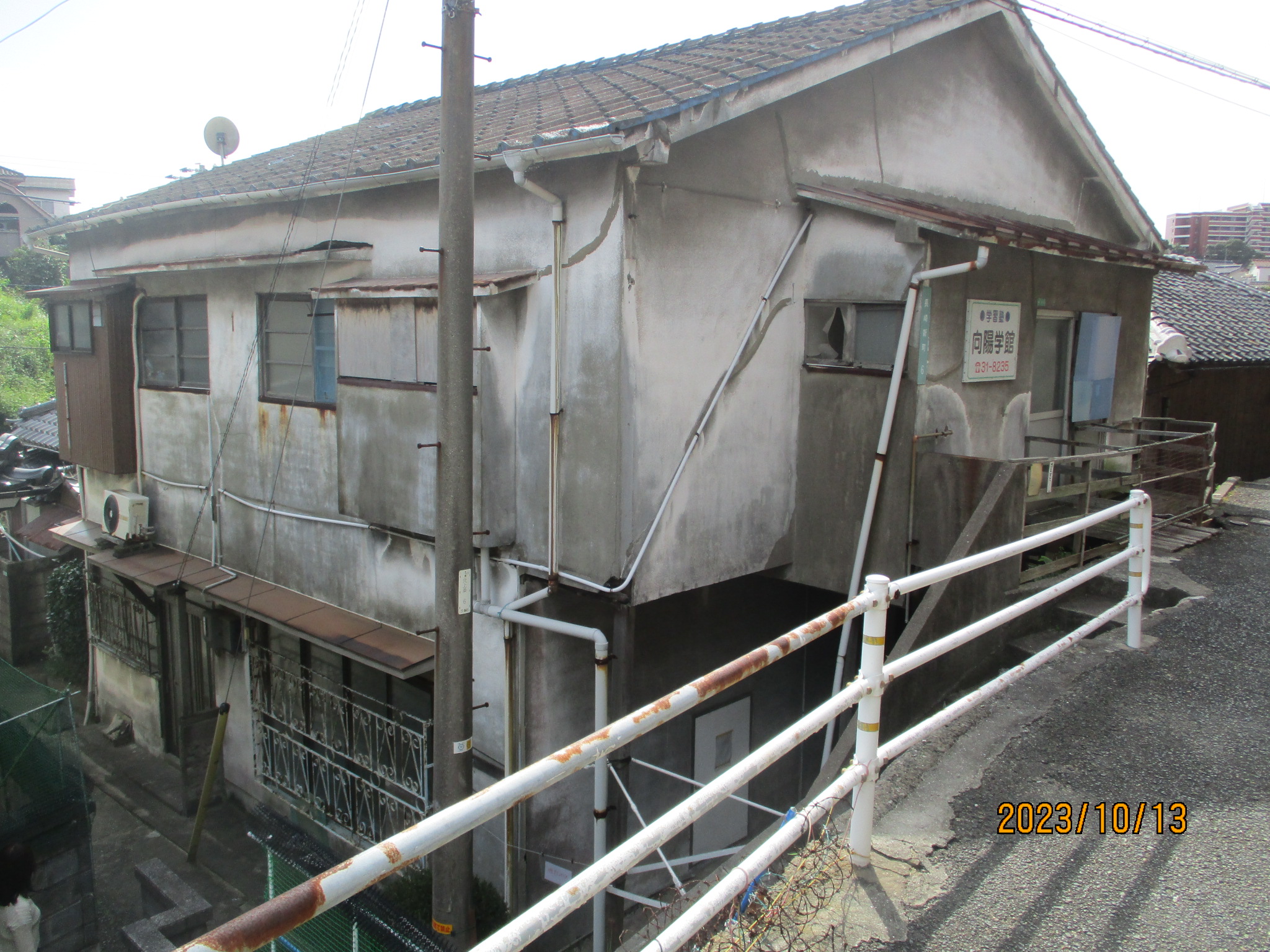
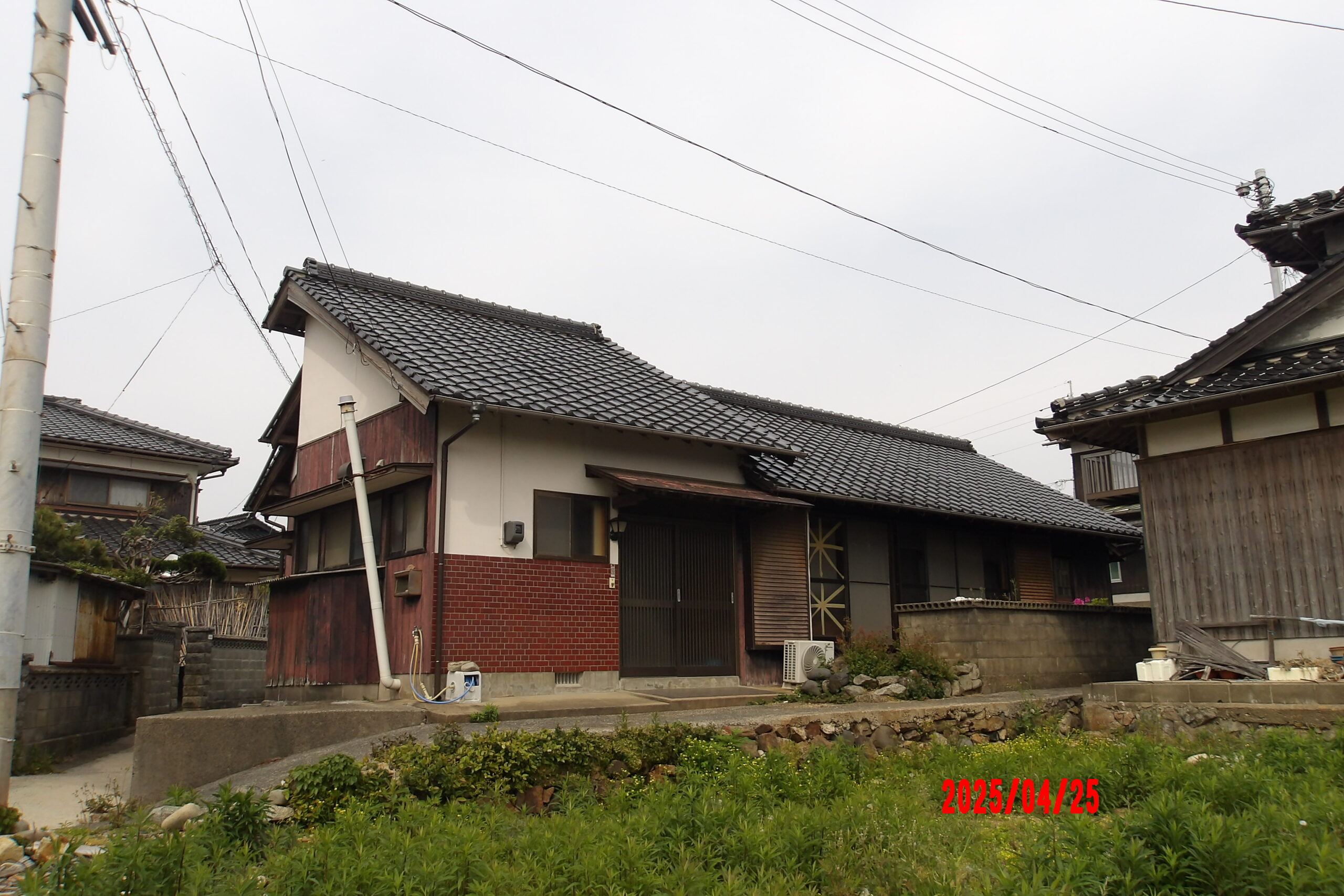
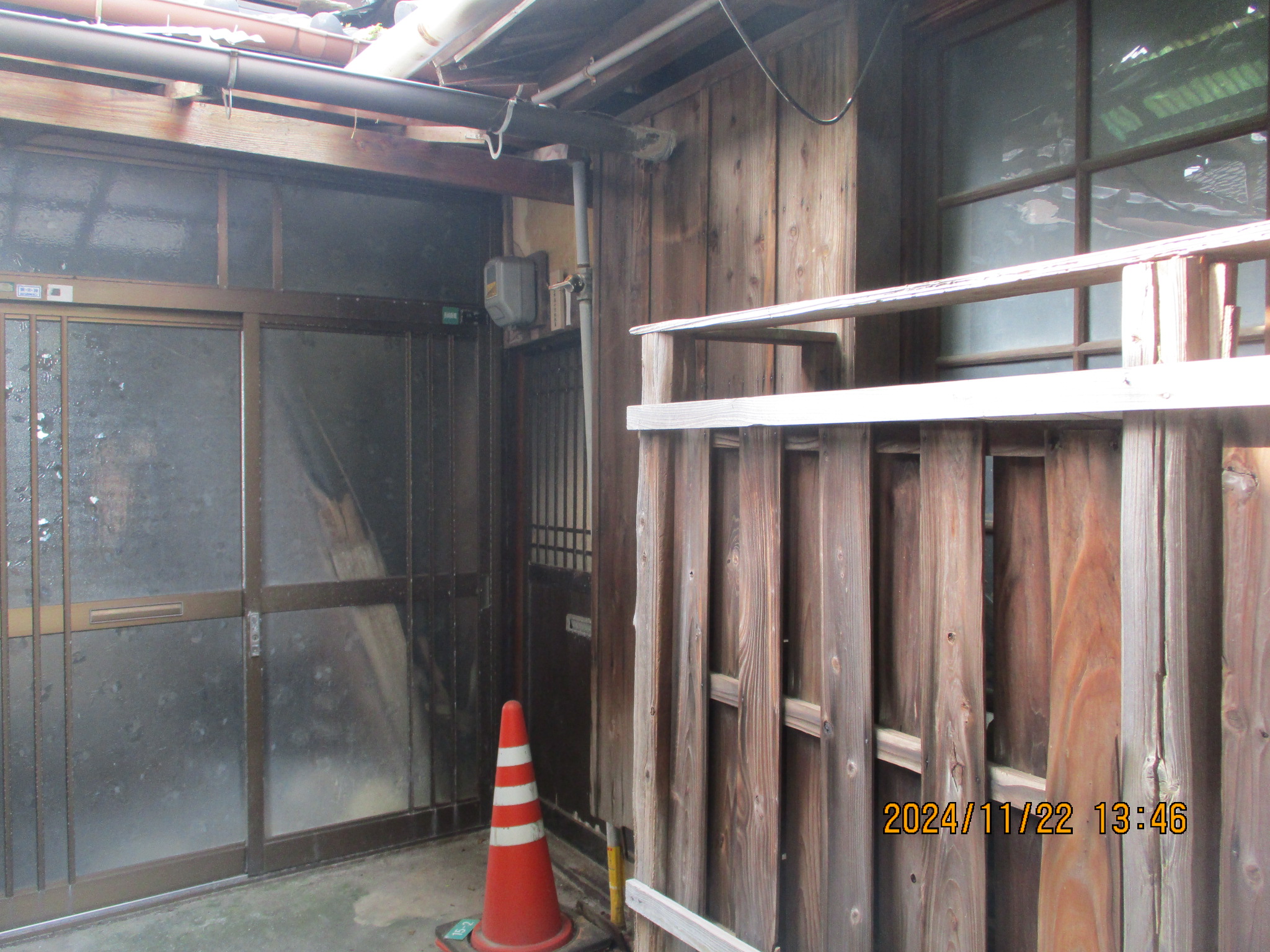
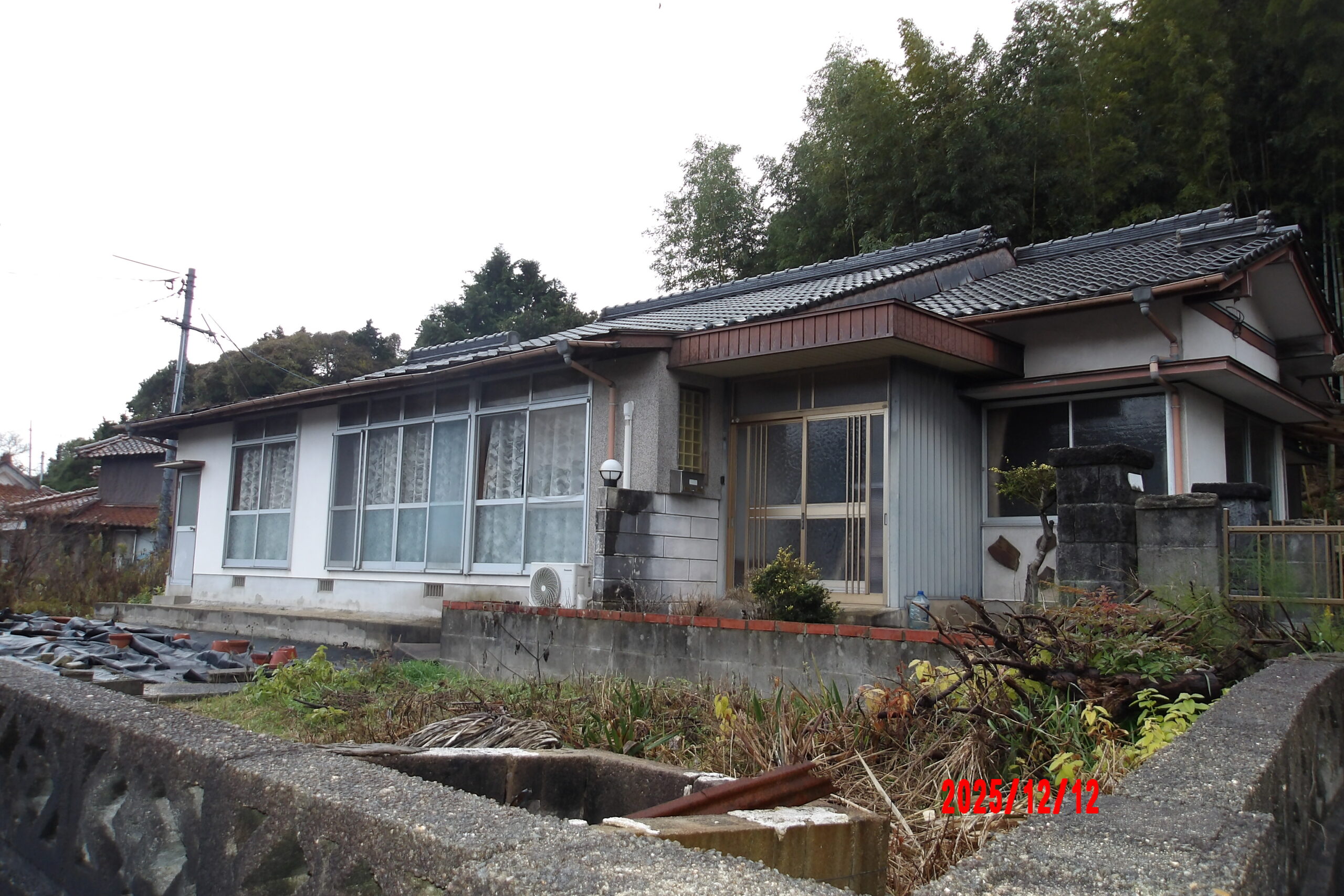
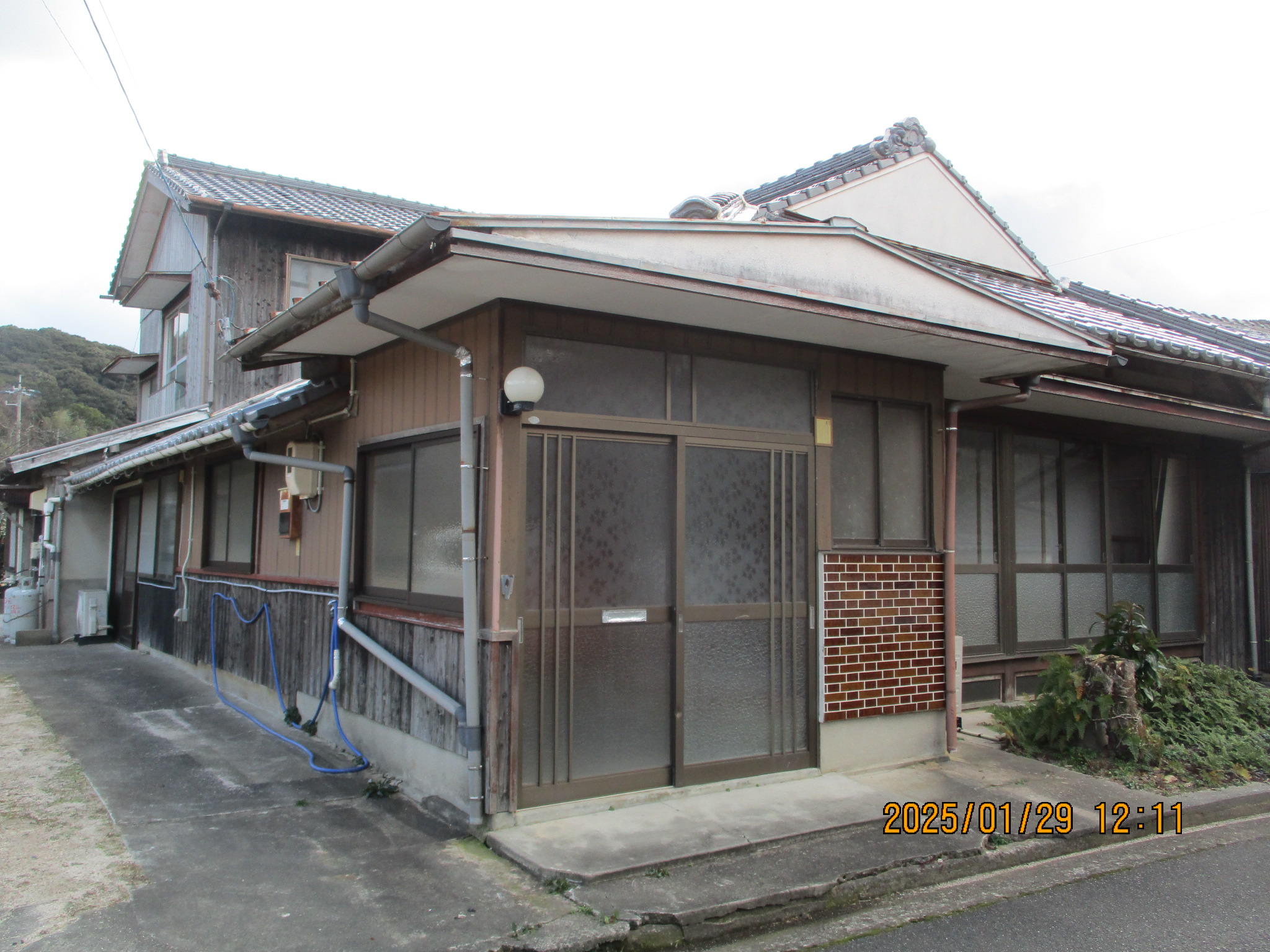
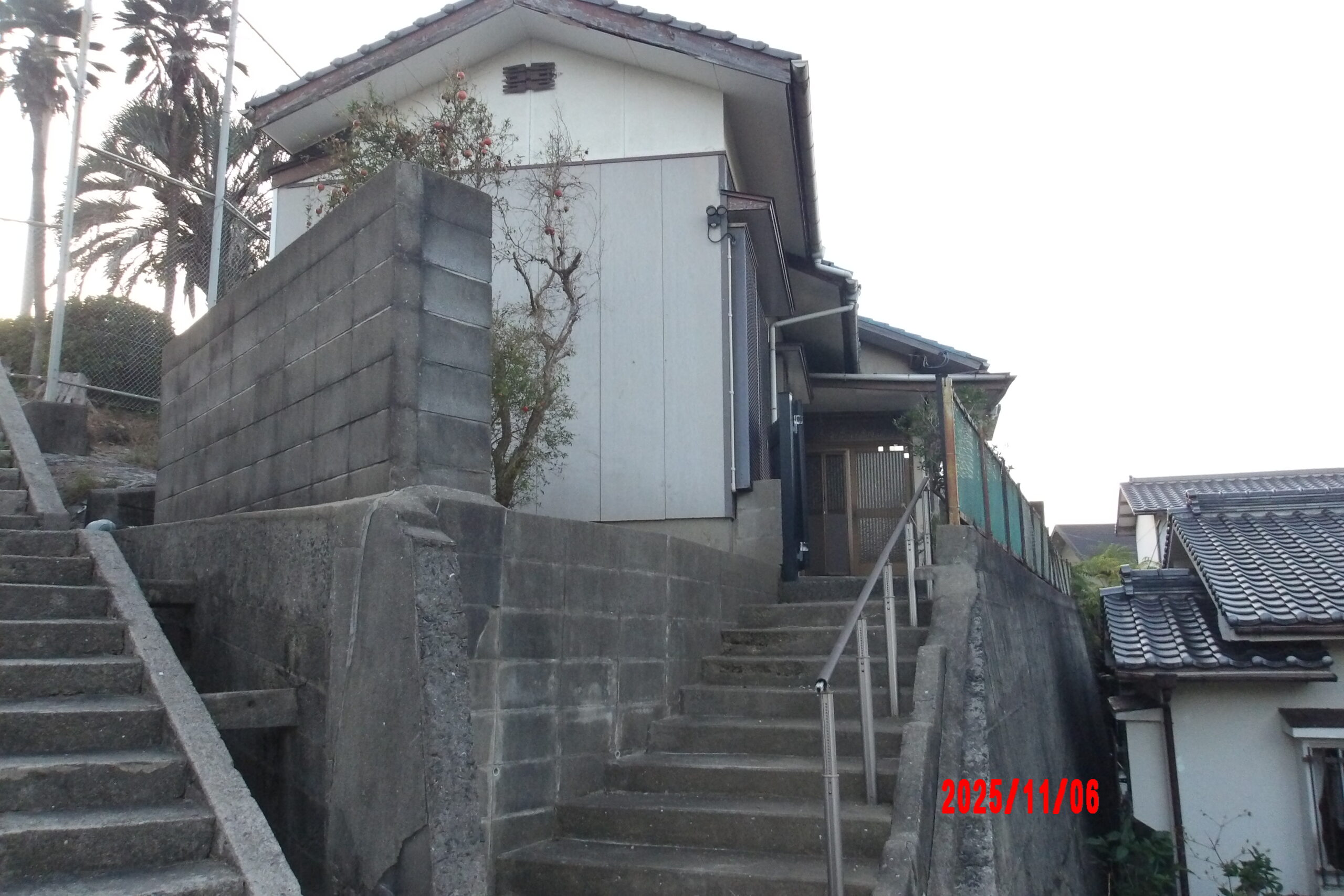
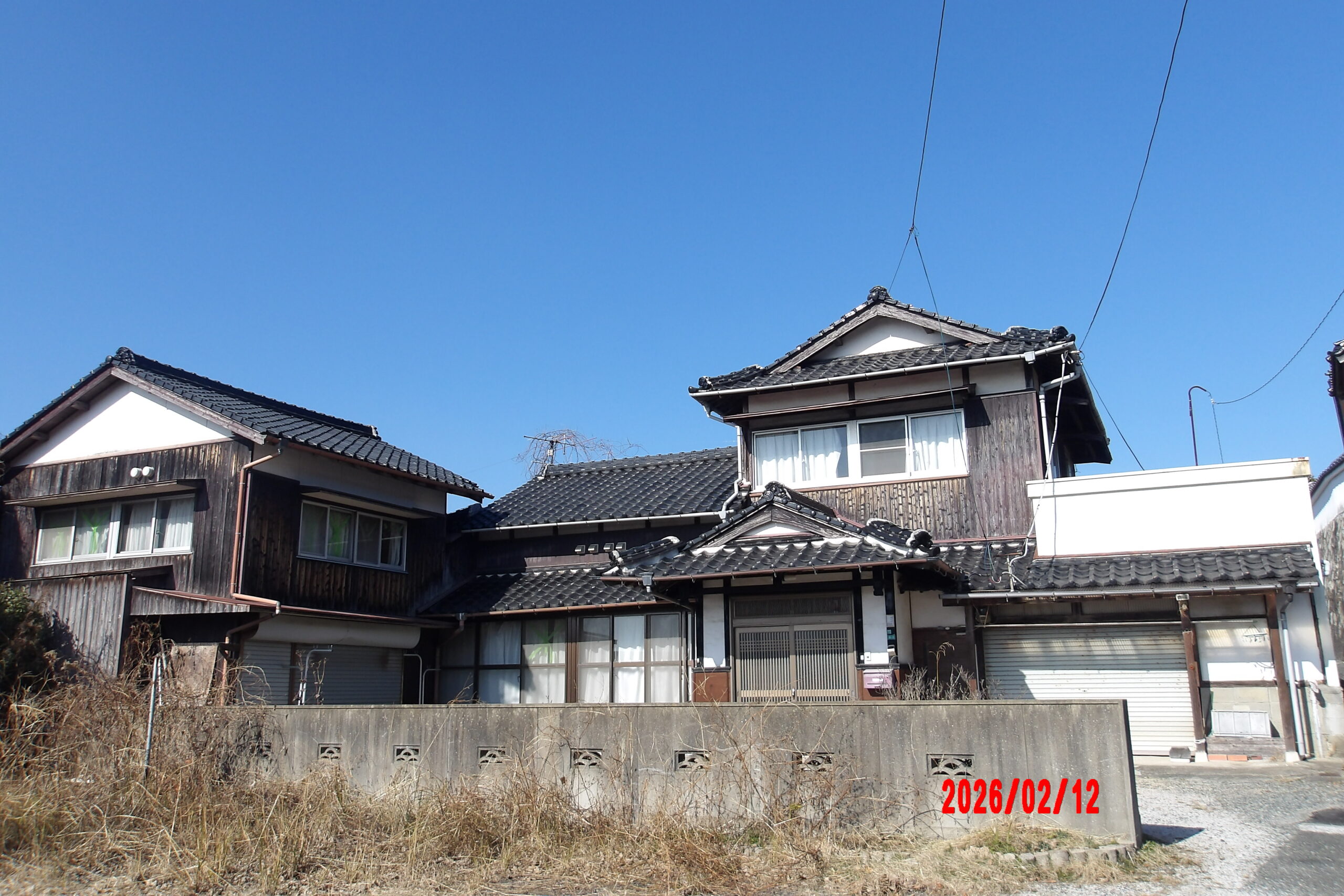
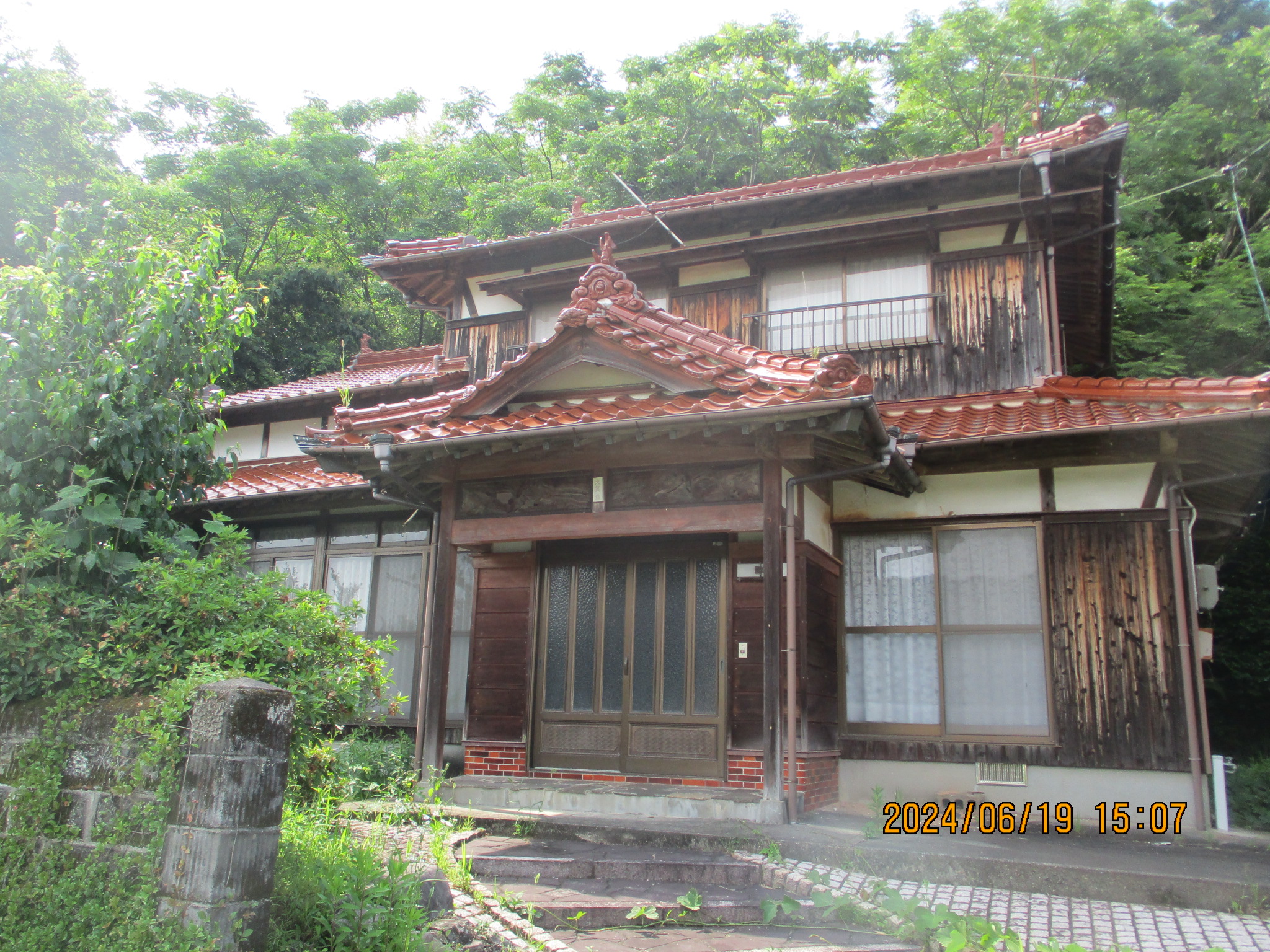
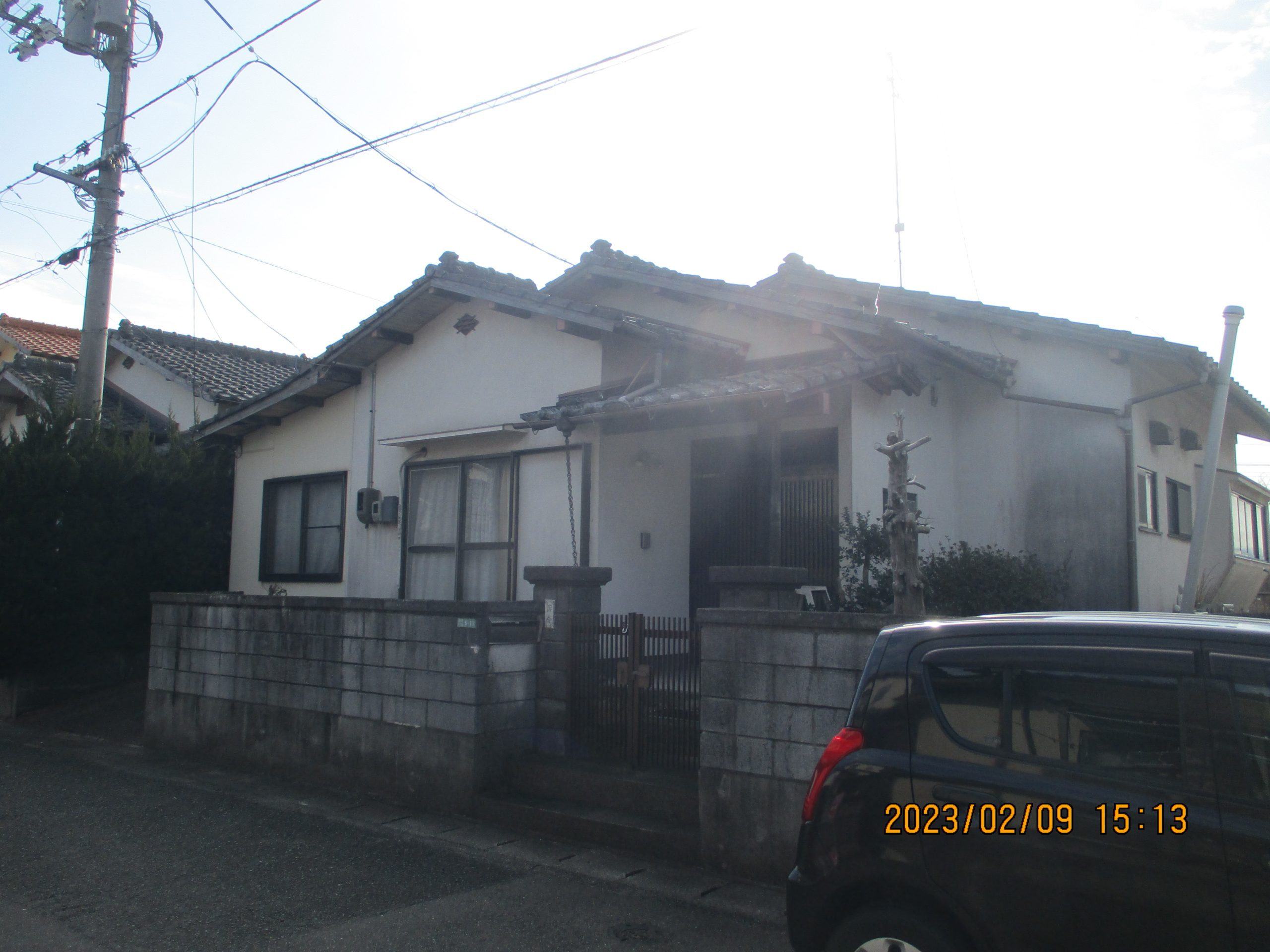
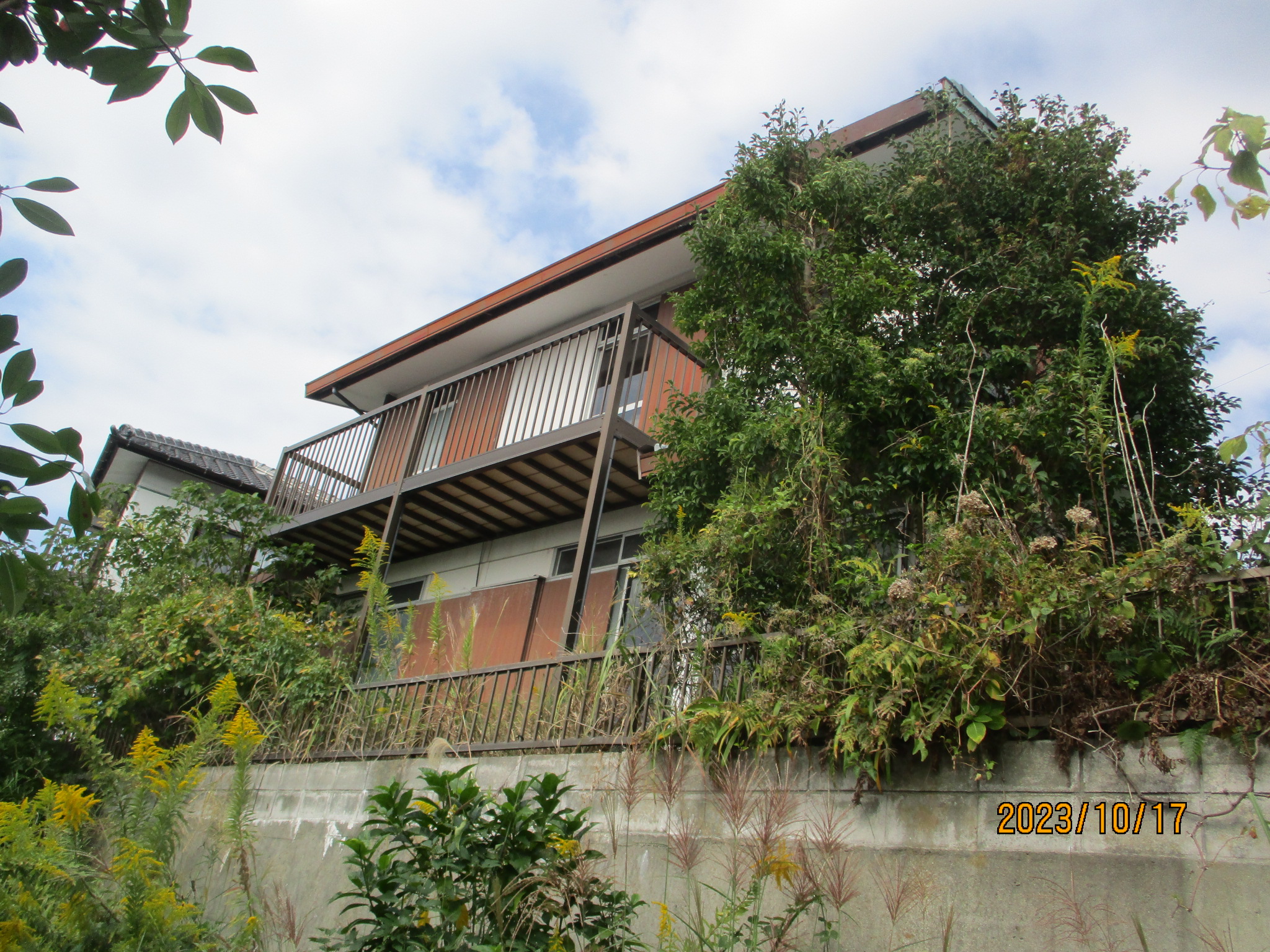
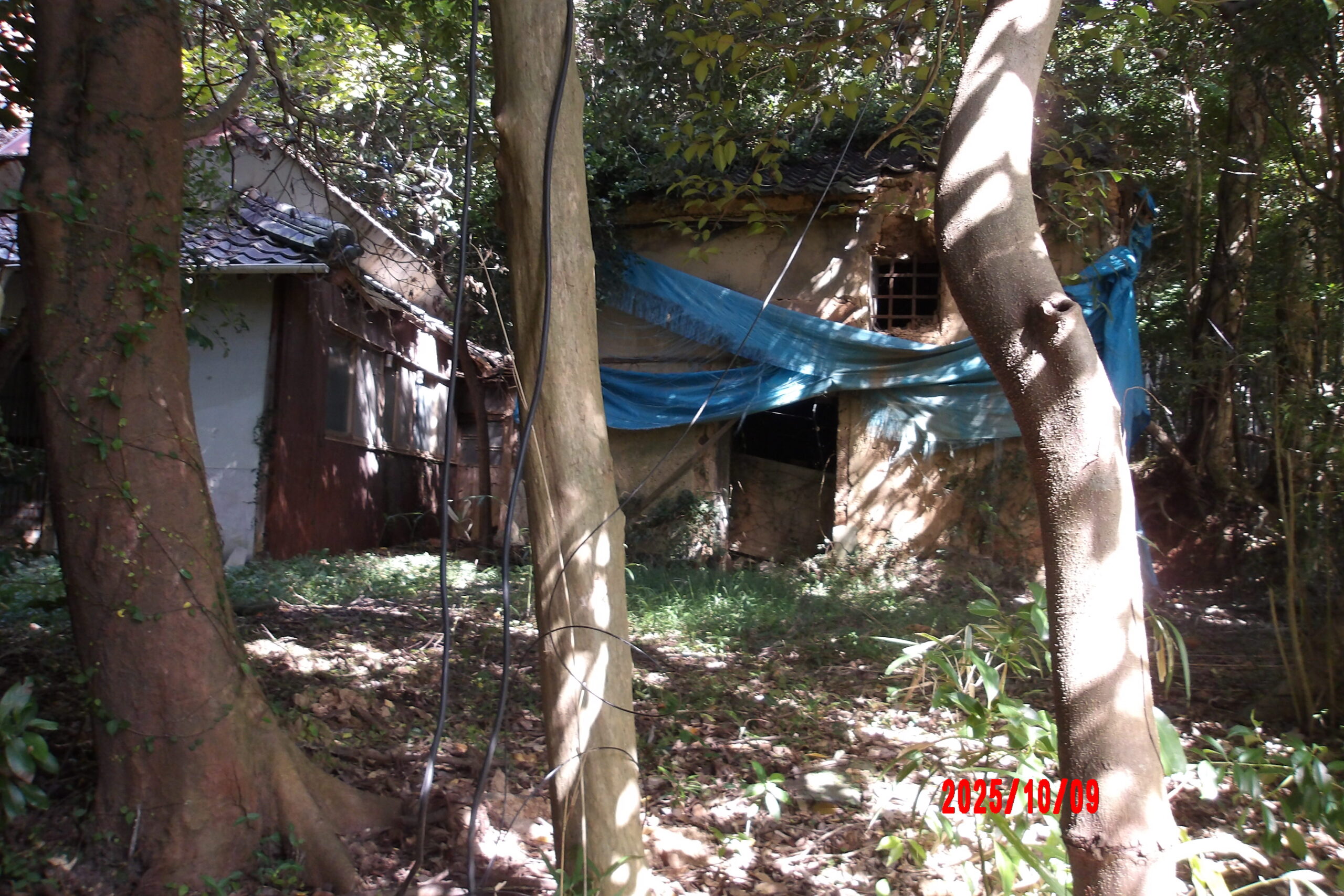
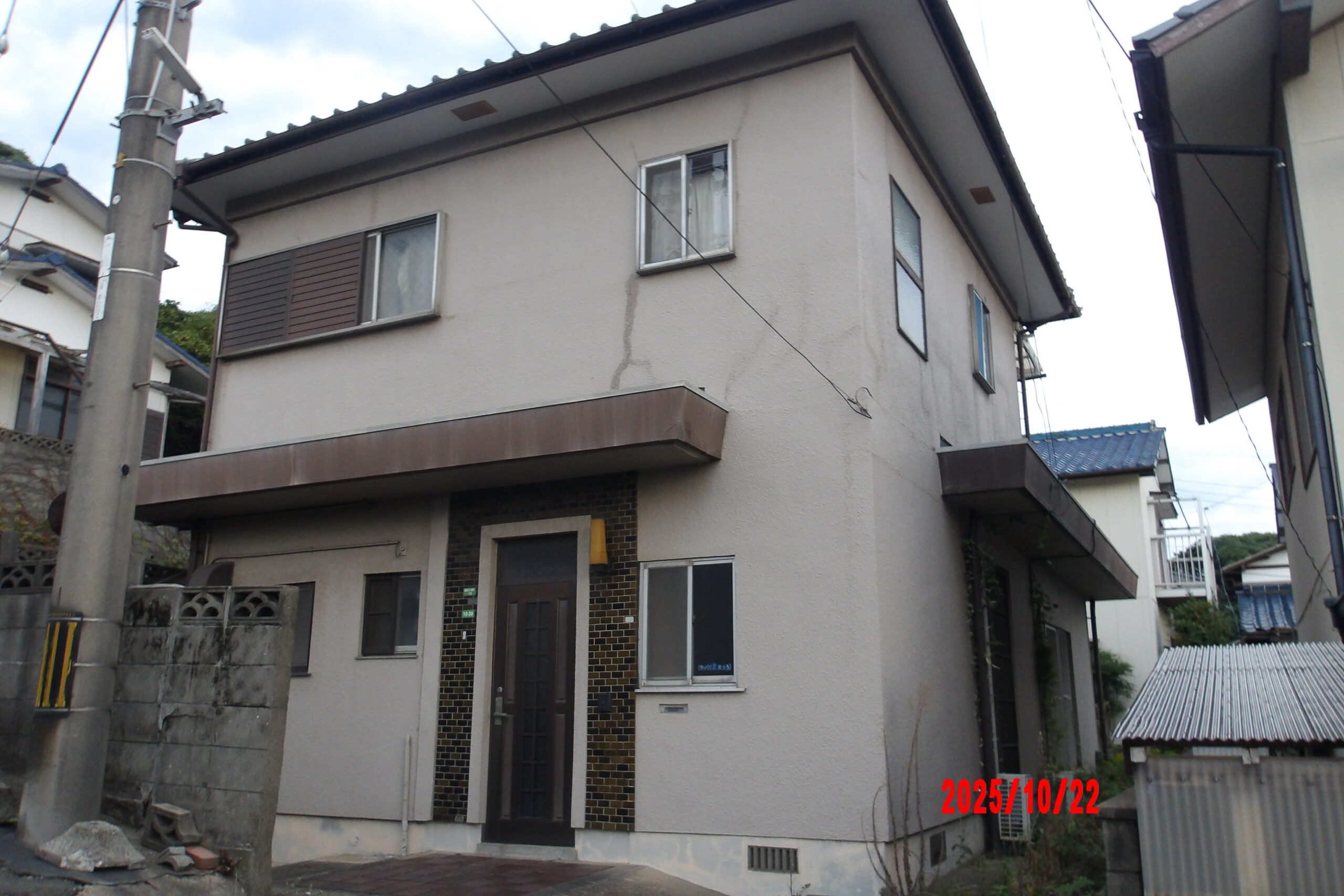
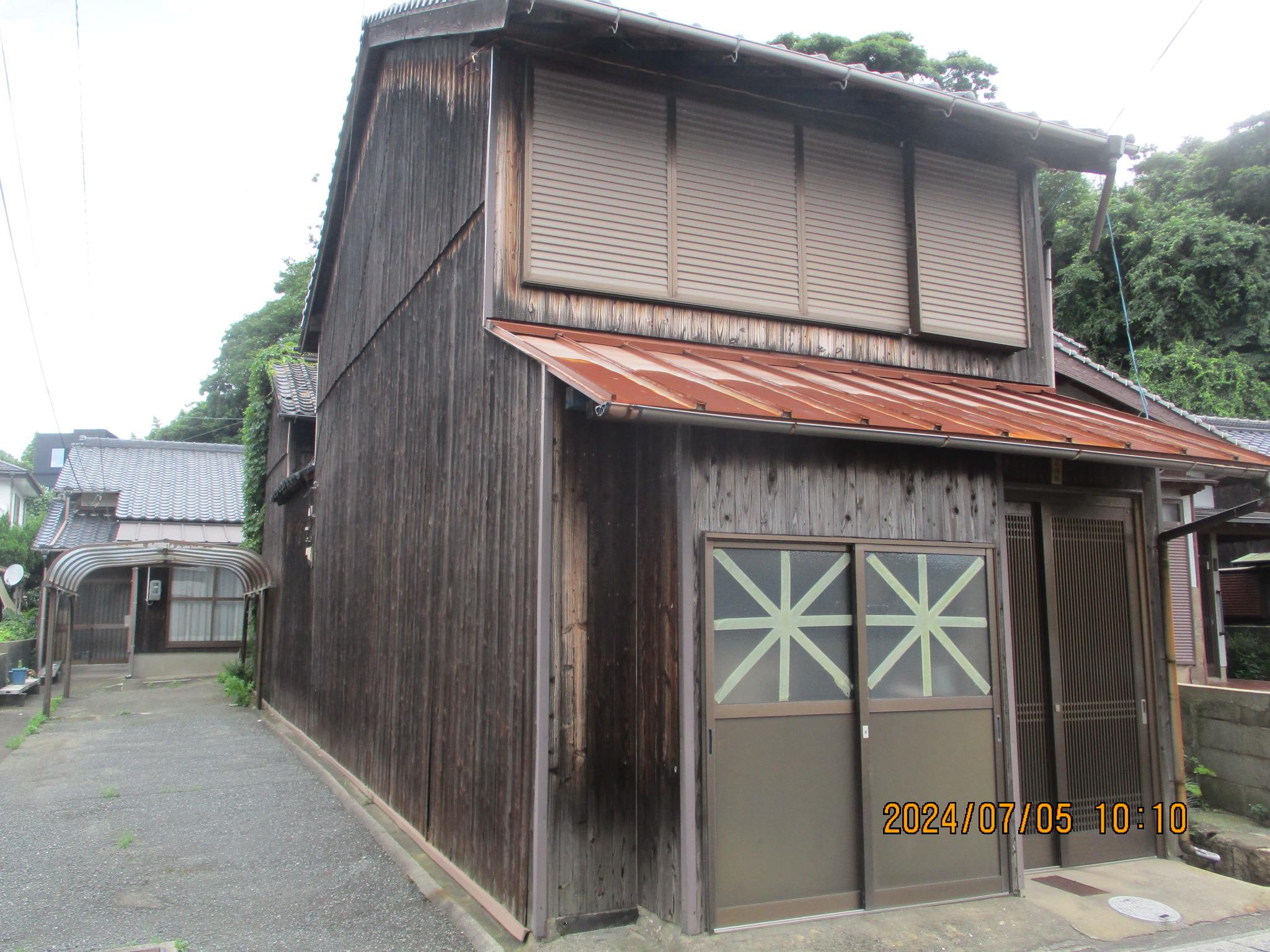
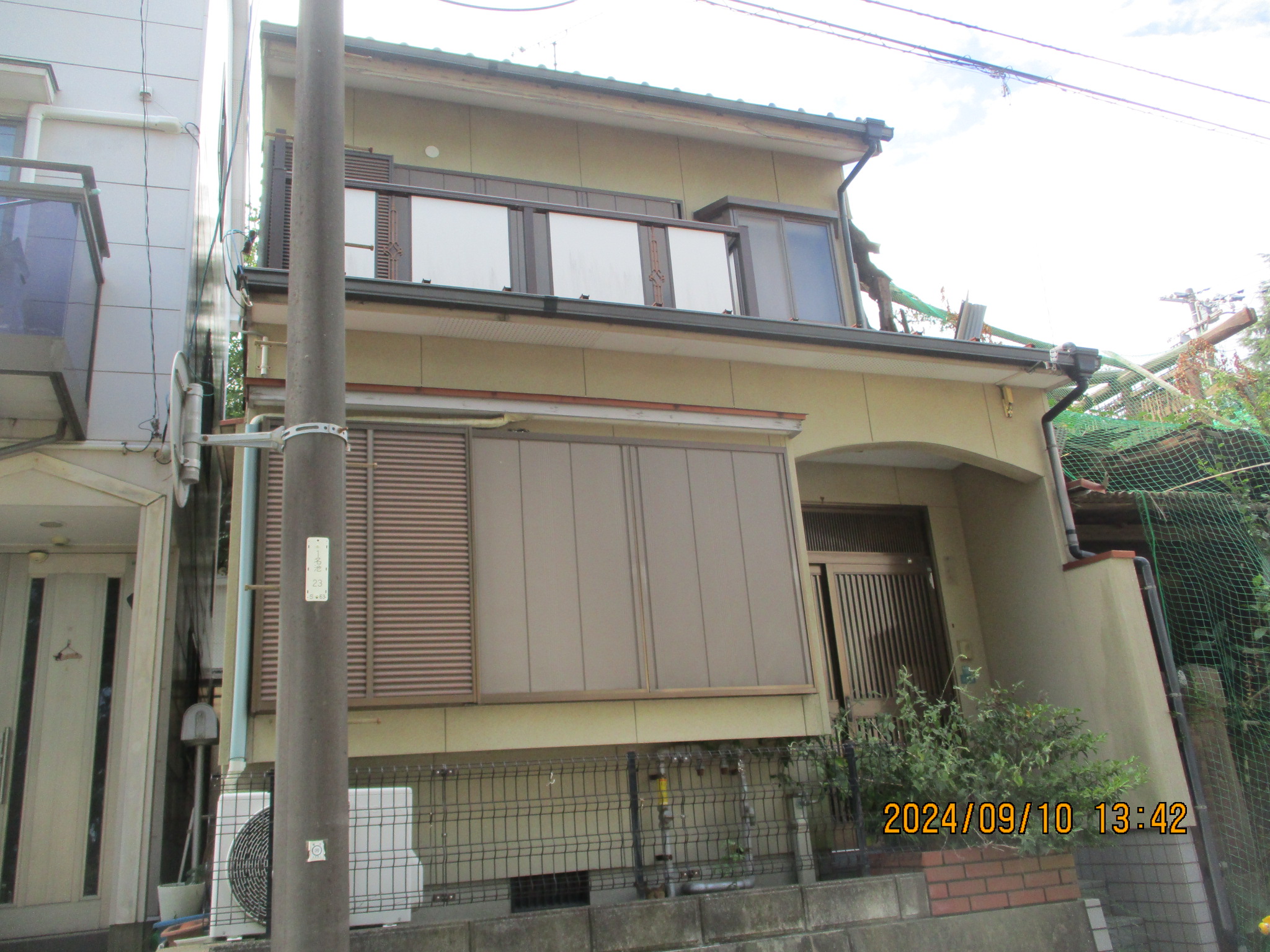
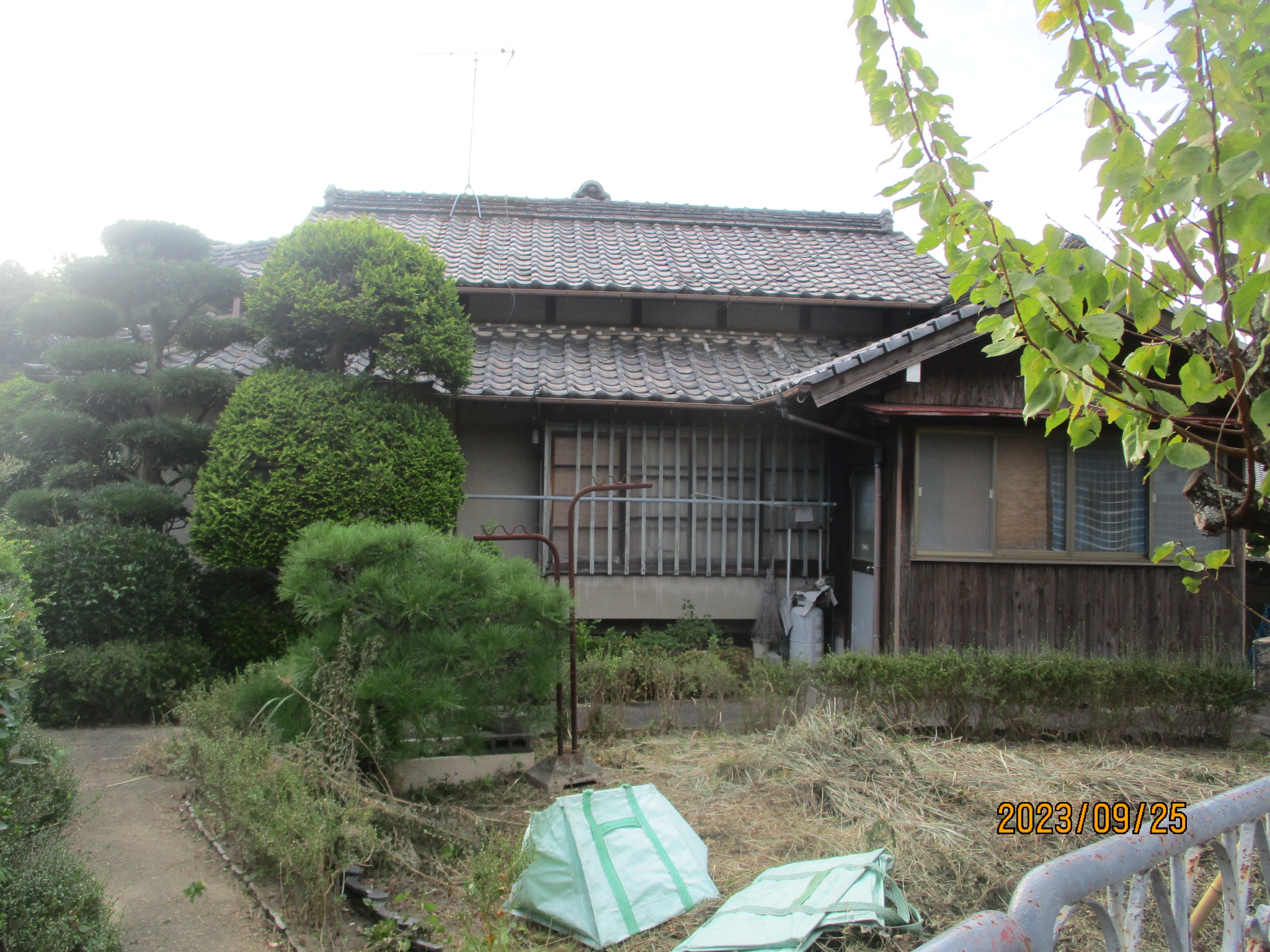
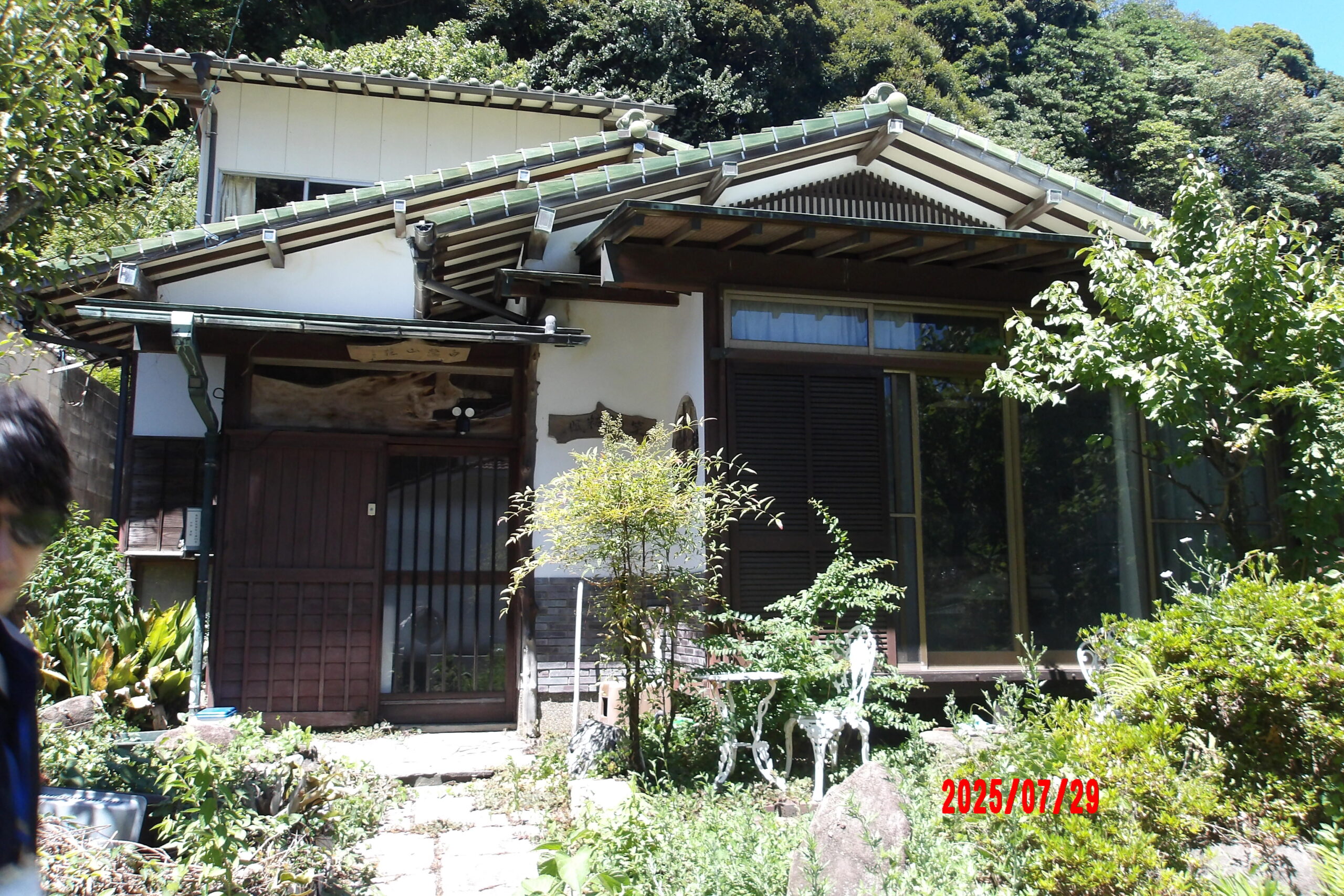
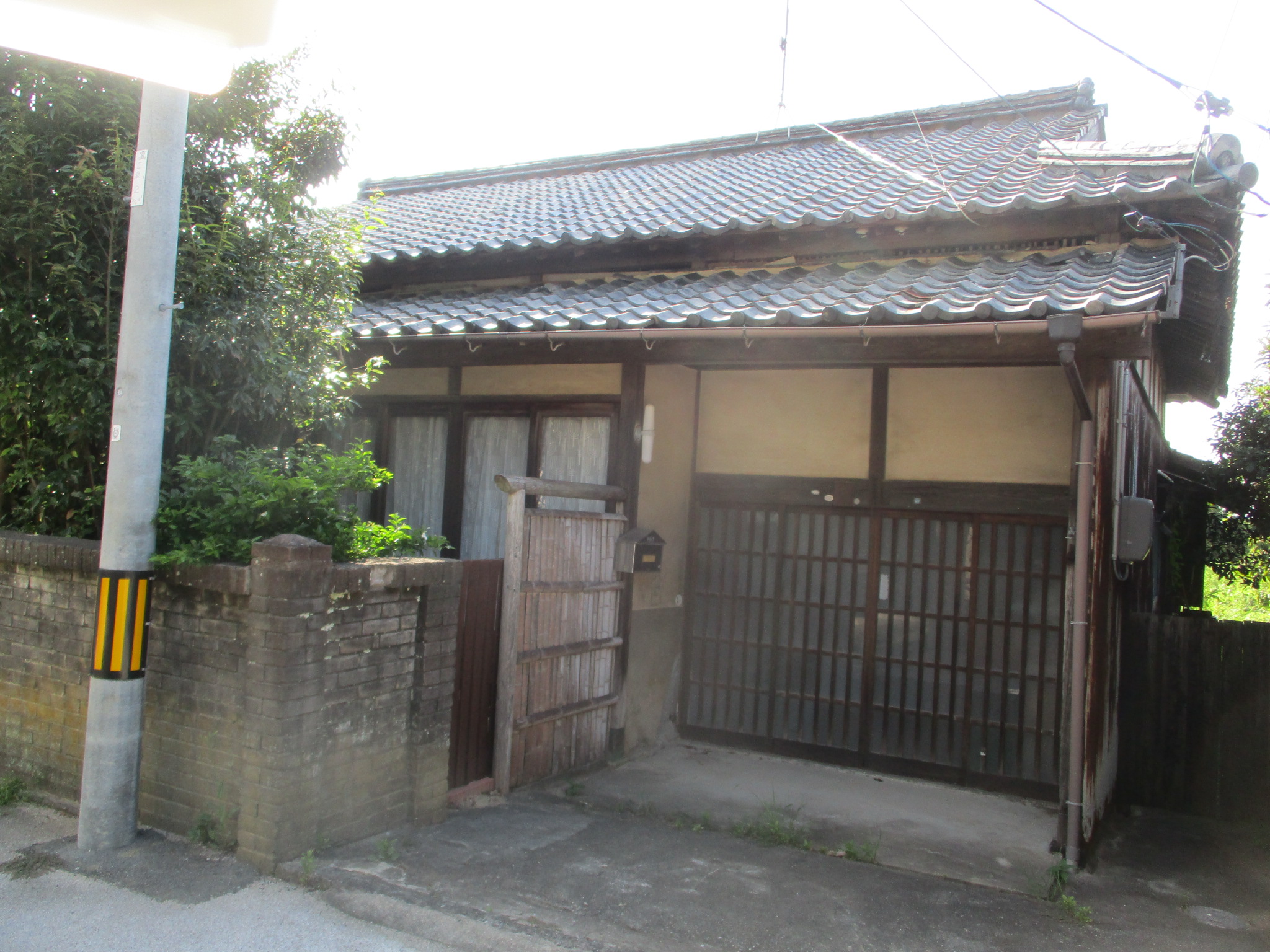
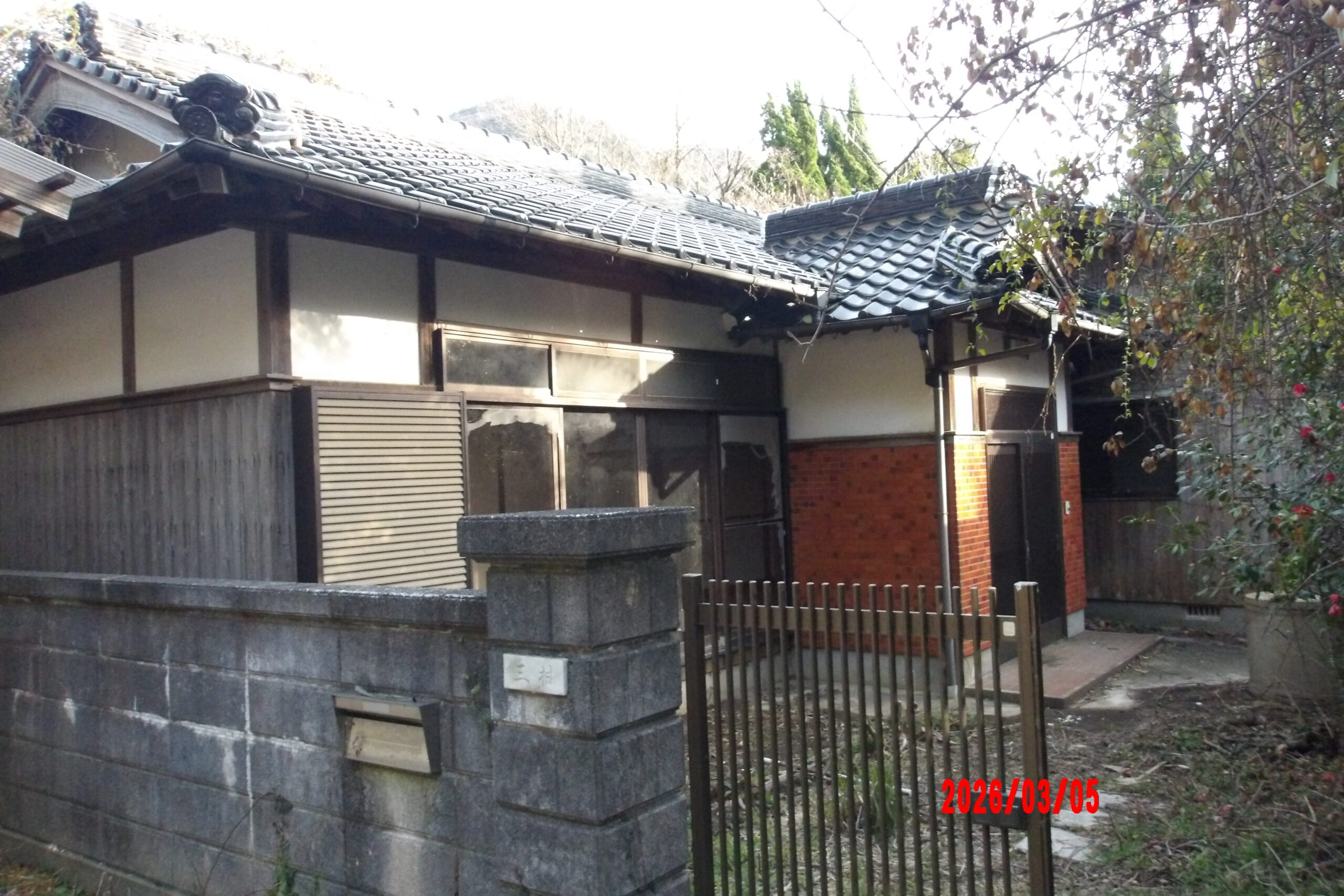
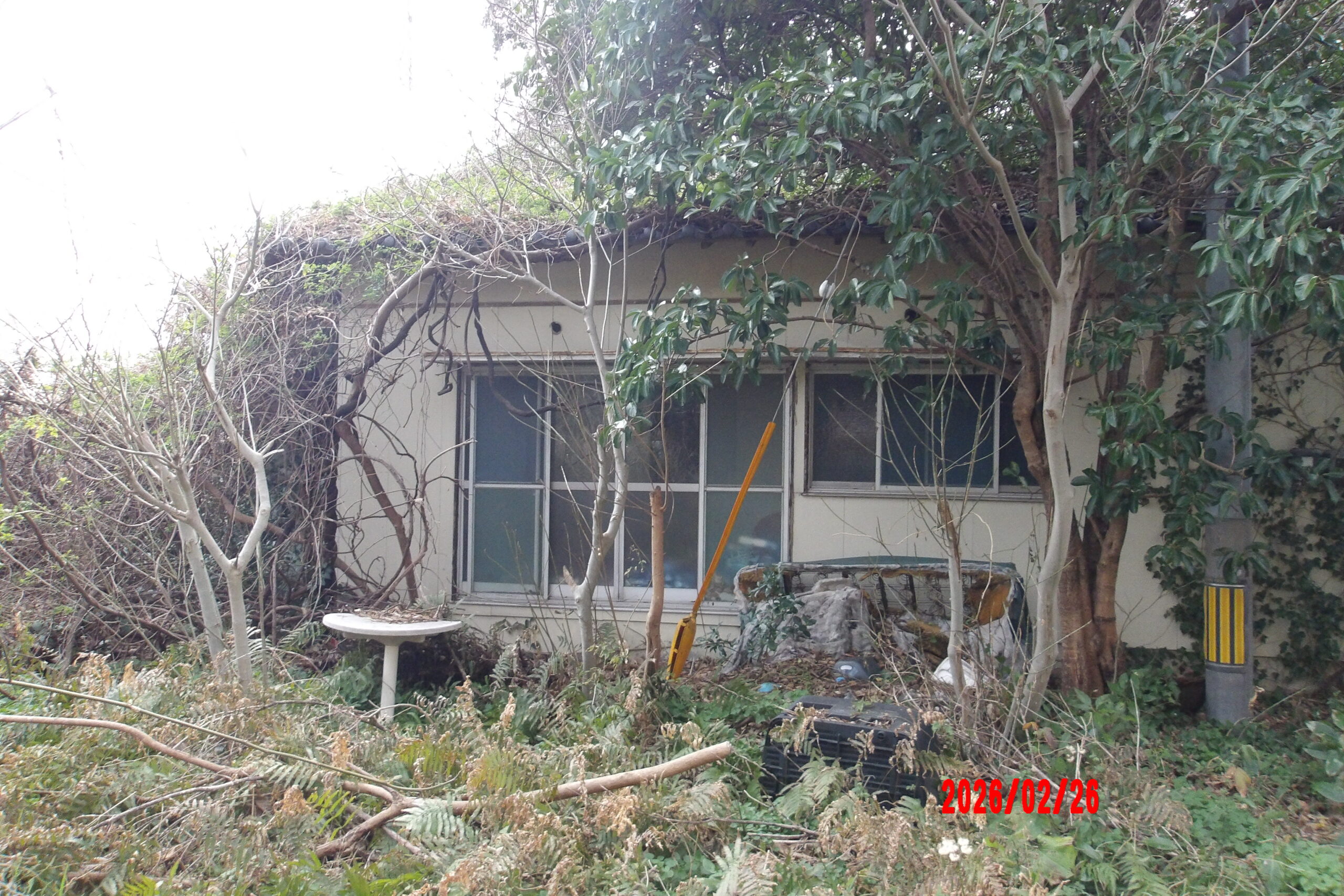
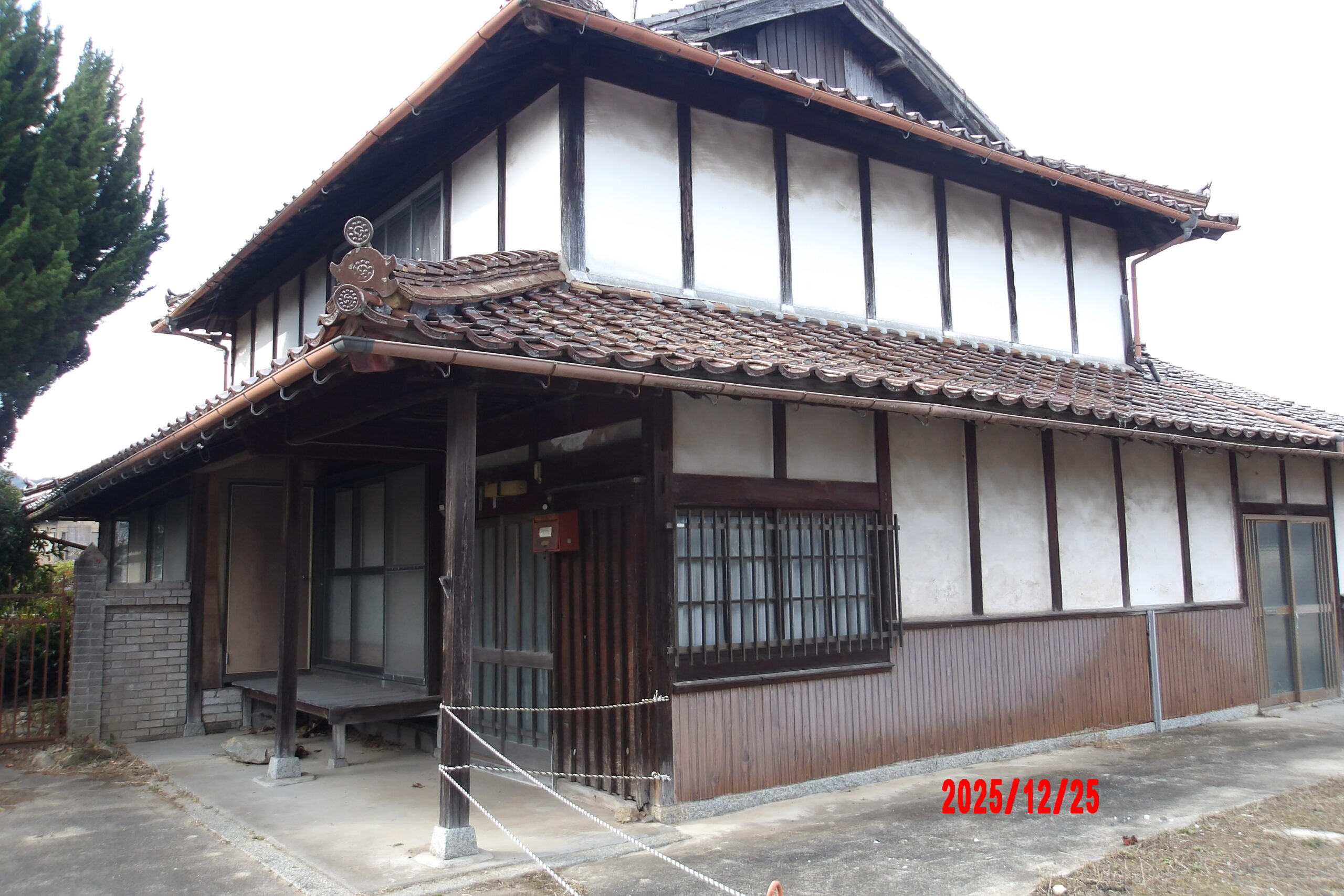
The photographs are the images carried on SUUMO. They disappear once a listing ends. Check the real condition of a property on site.
See all 510 listings on SUUMO → Source:SUUMO, second-hand detached houses, Shimonoseki City(collected 2026-08-19, all 510 listings collected in full). The price range, medians and district tallies are calculated over510 listingsall. Elevations come from putting each listing's map coordinates through the Geospatial Information Authority of Japan elevation API (rounded to 10m), and 509 of the 510 have their own coordinatesThe city also has a vacant house bank
Shimonoseki City runs a vacant house bank (Housing Policy Division, 083-231-1941). It is a scheme that connects "people considering selling a vacant house they own" with "people who want to buy or use a vacant house." Generous purchase support is a feature of Shimonoseki. If you move in from outside the city and build or buy a home, the Shimonoseki City Housing Acquisition Support Project gives up to 2,500,000 yen. There are also relocation support payments and newlywed support (section 14).
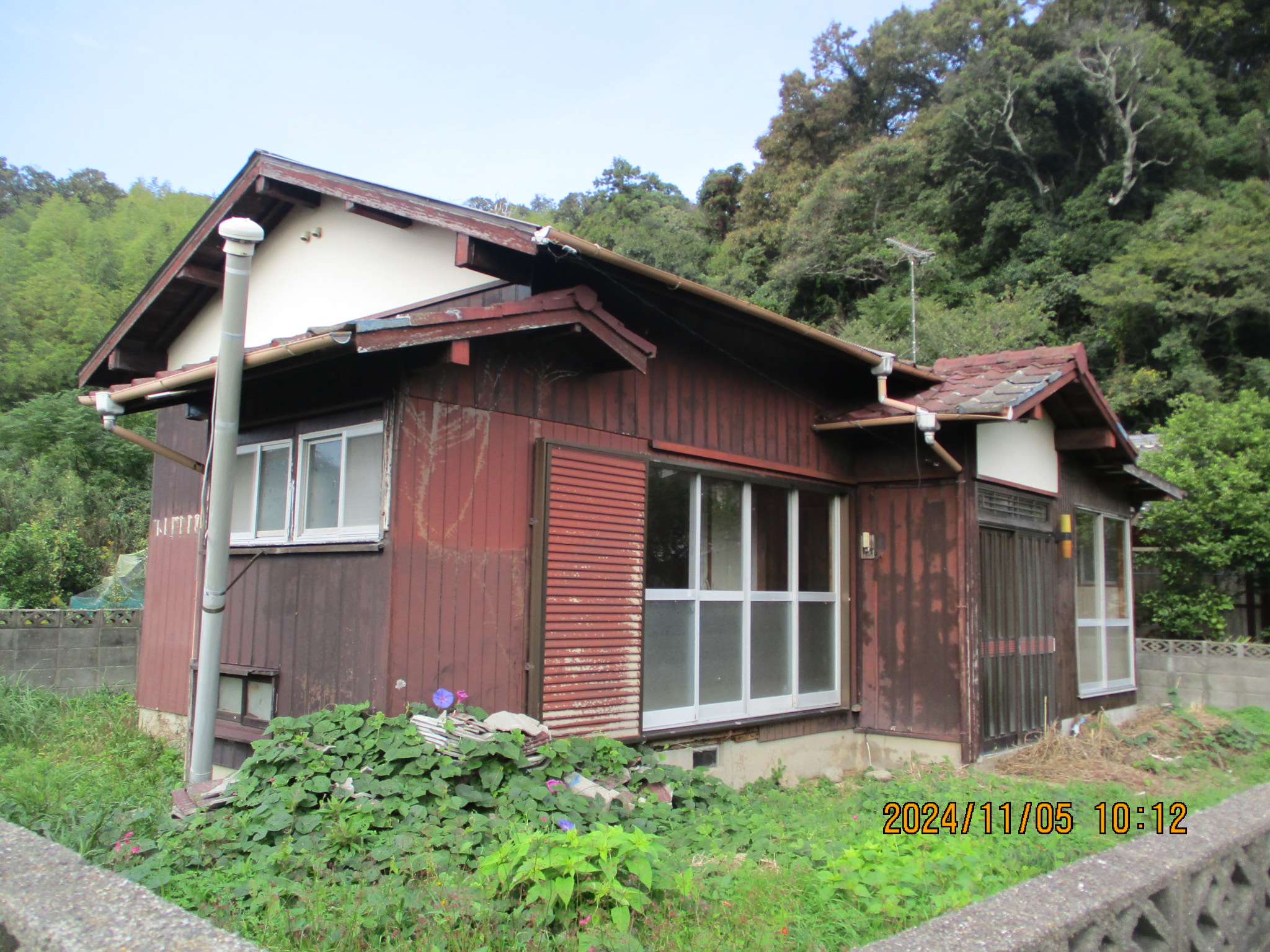
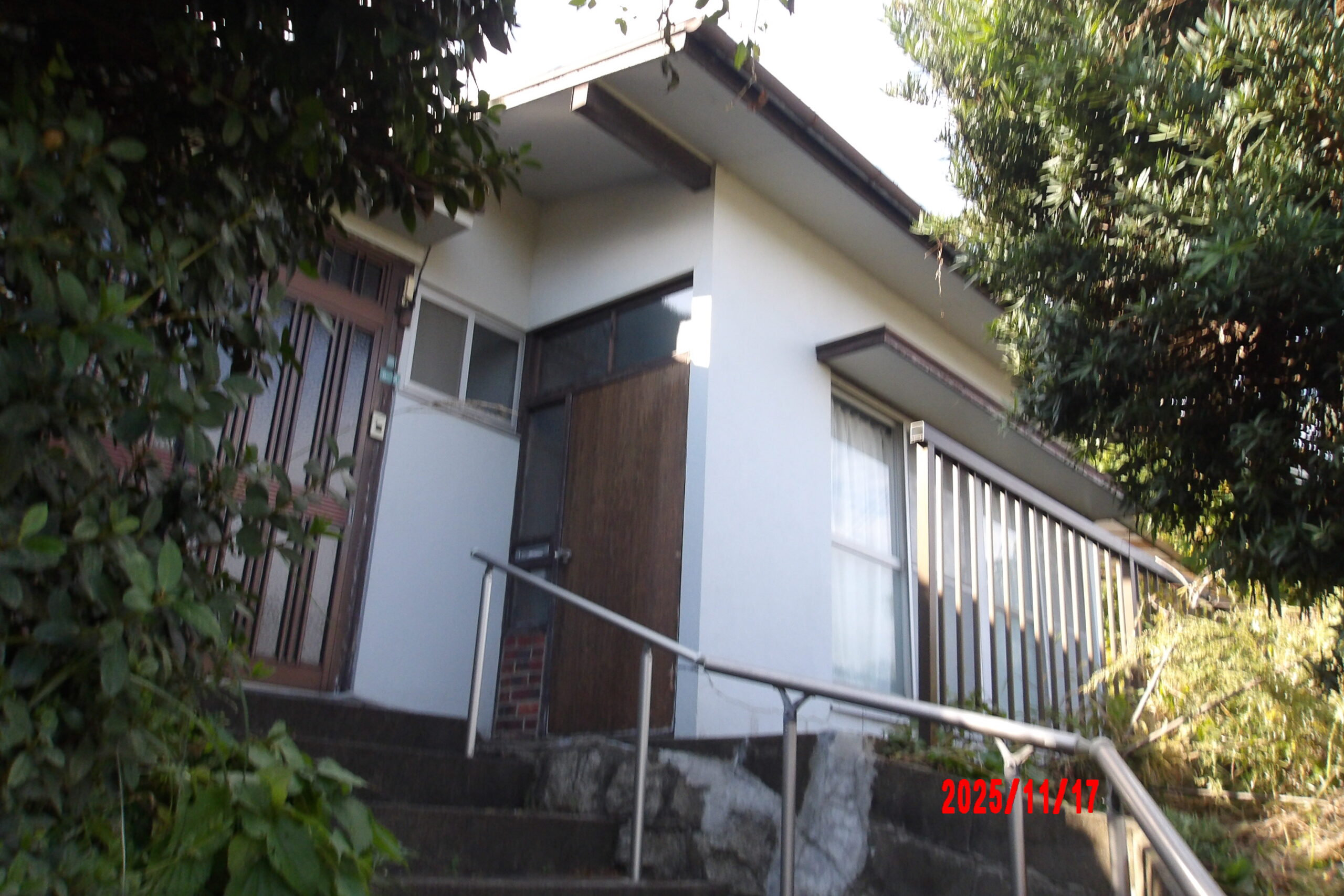
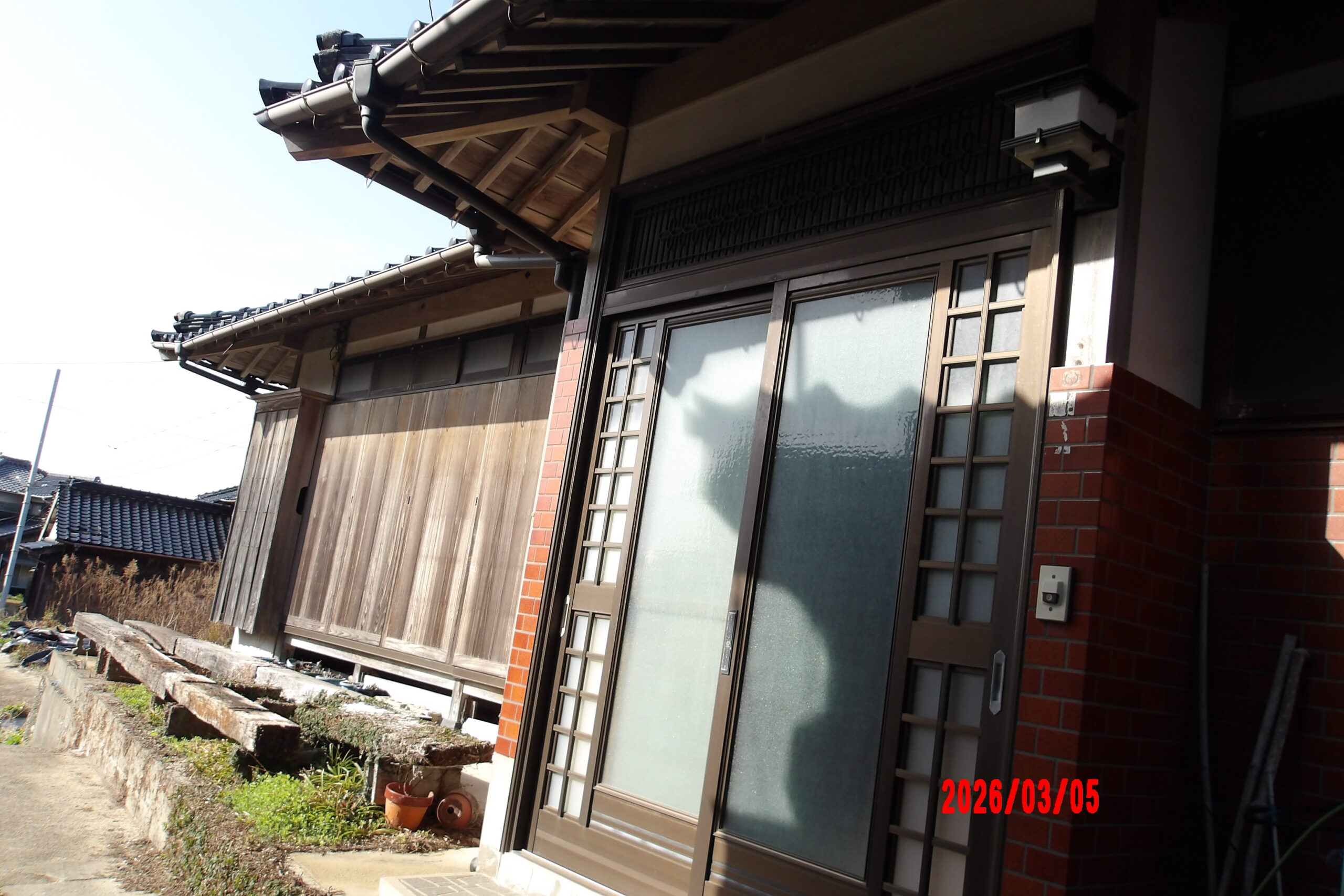
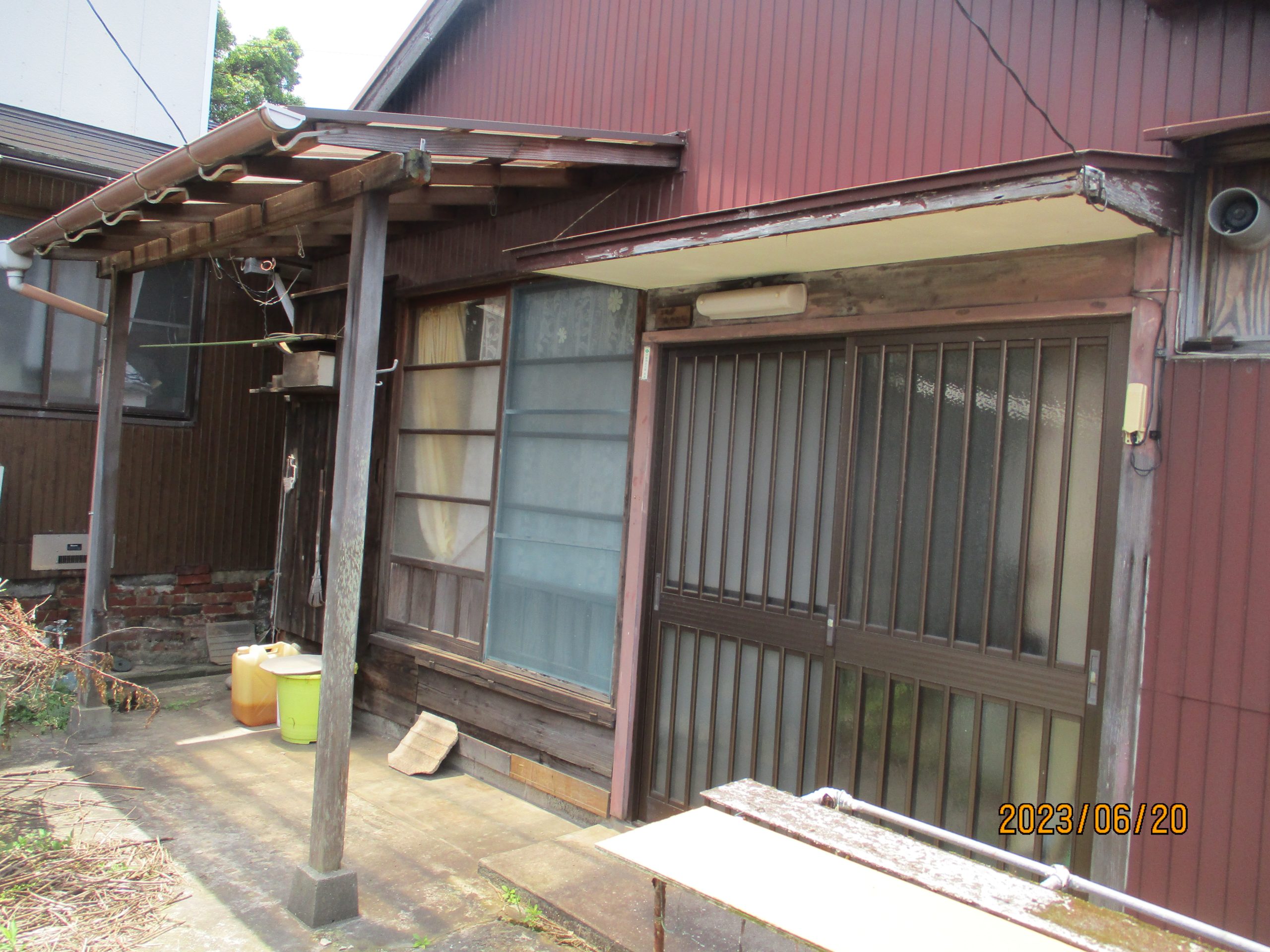
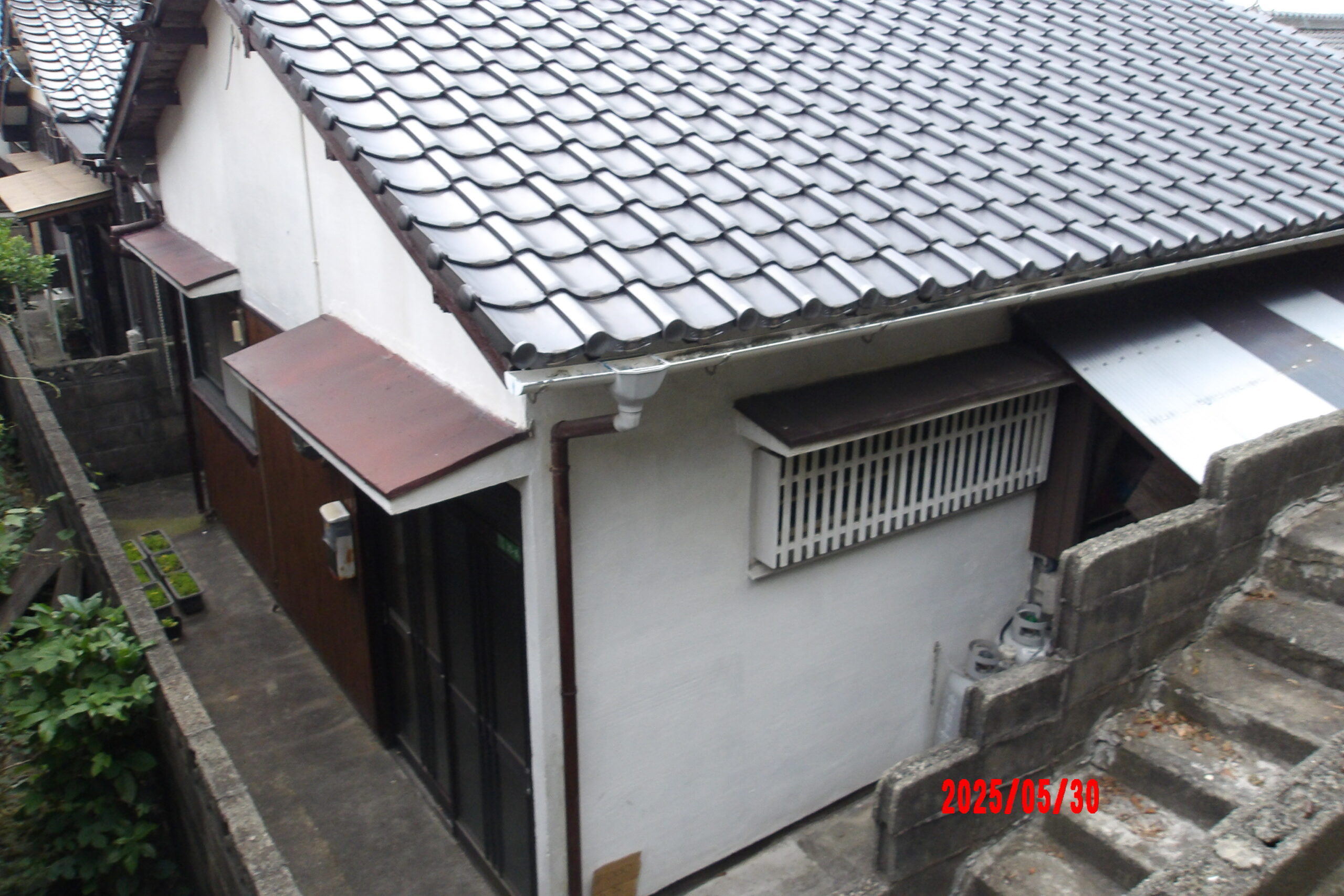
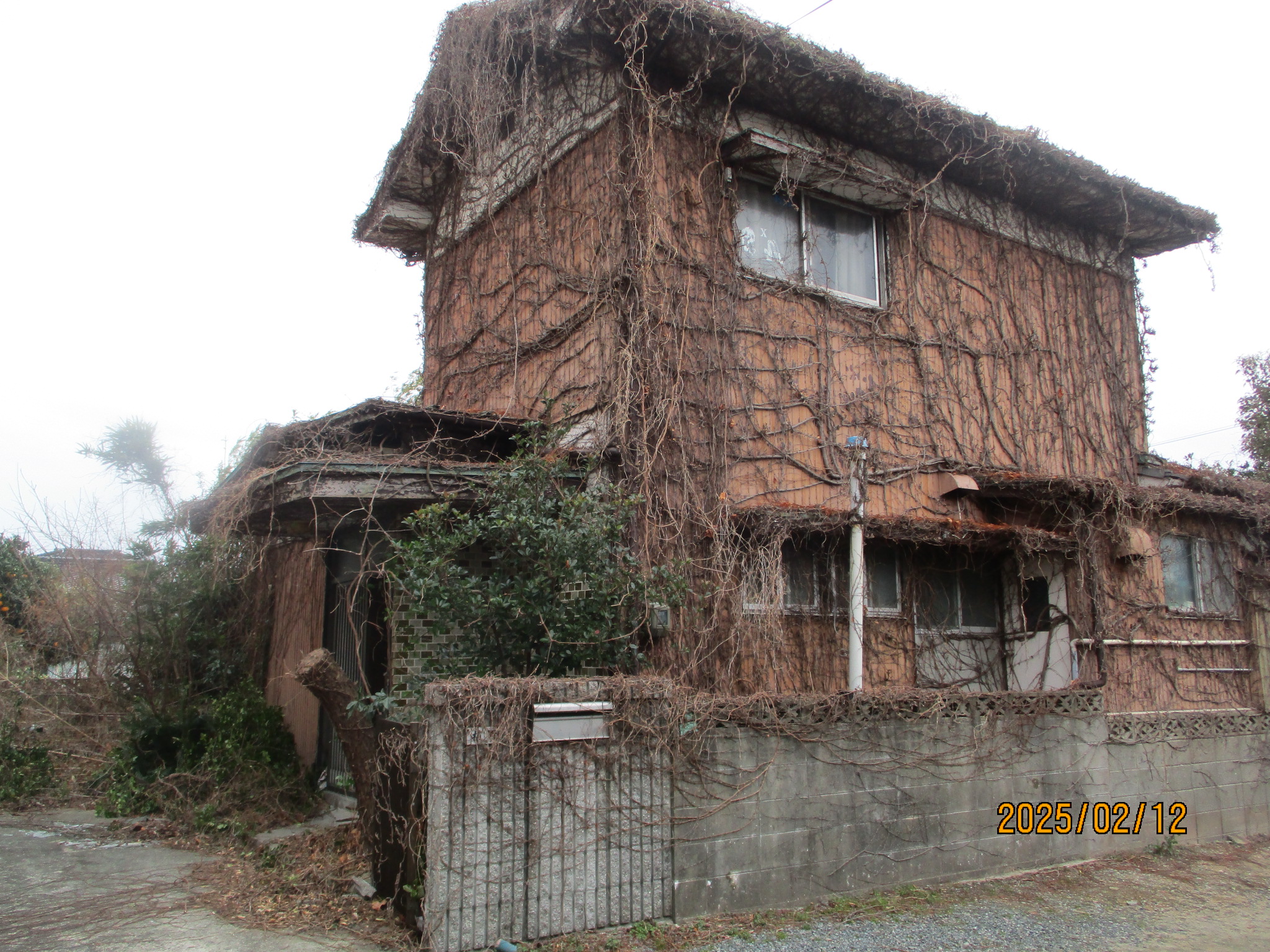
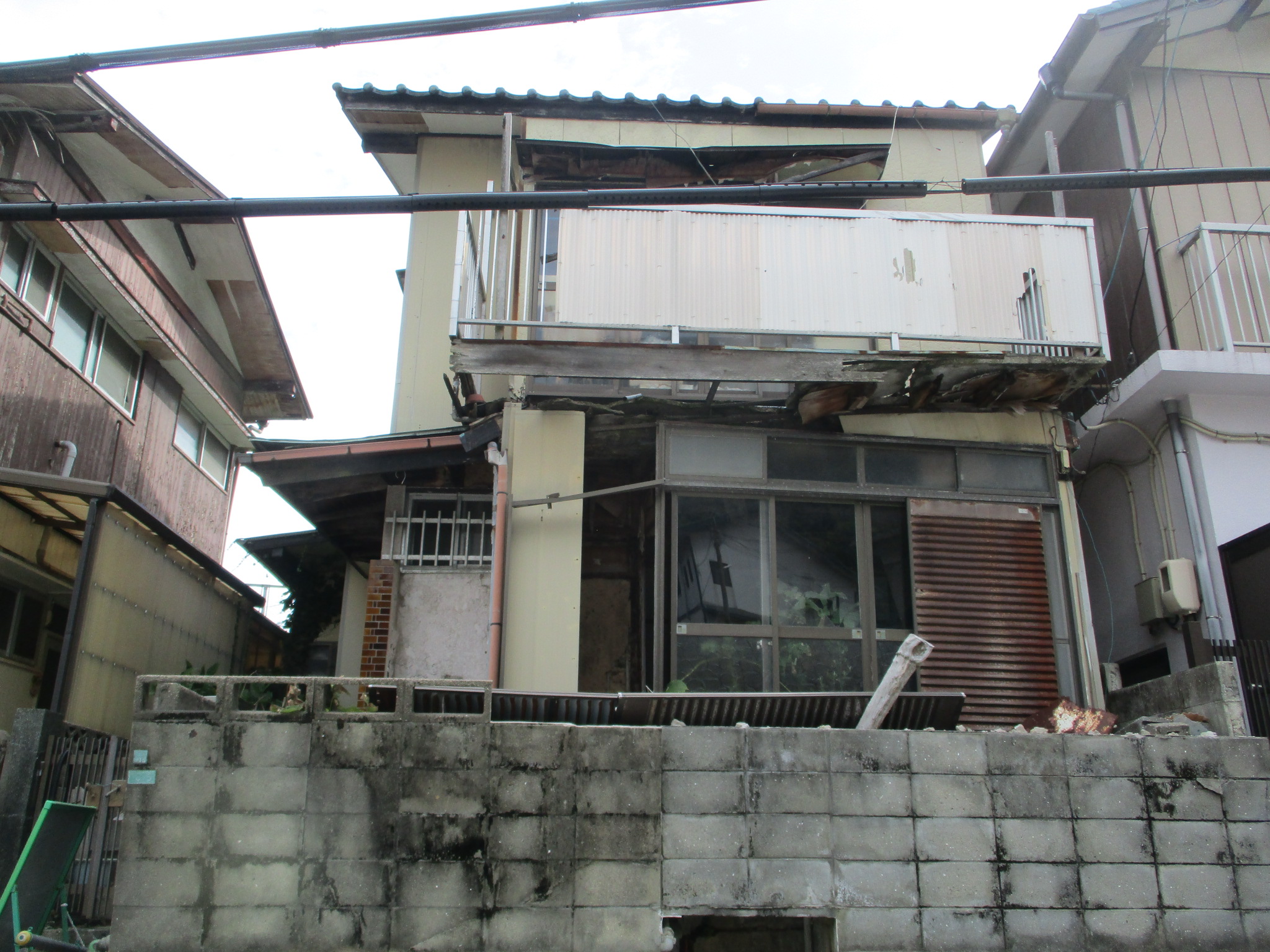
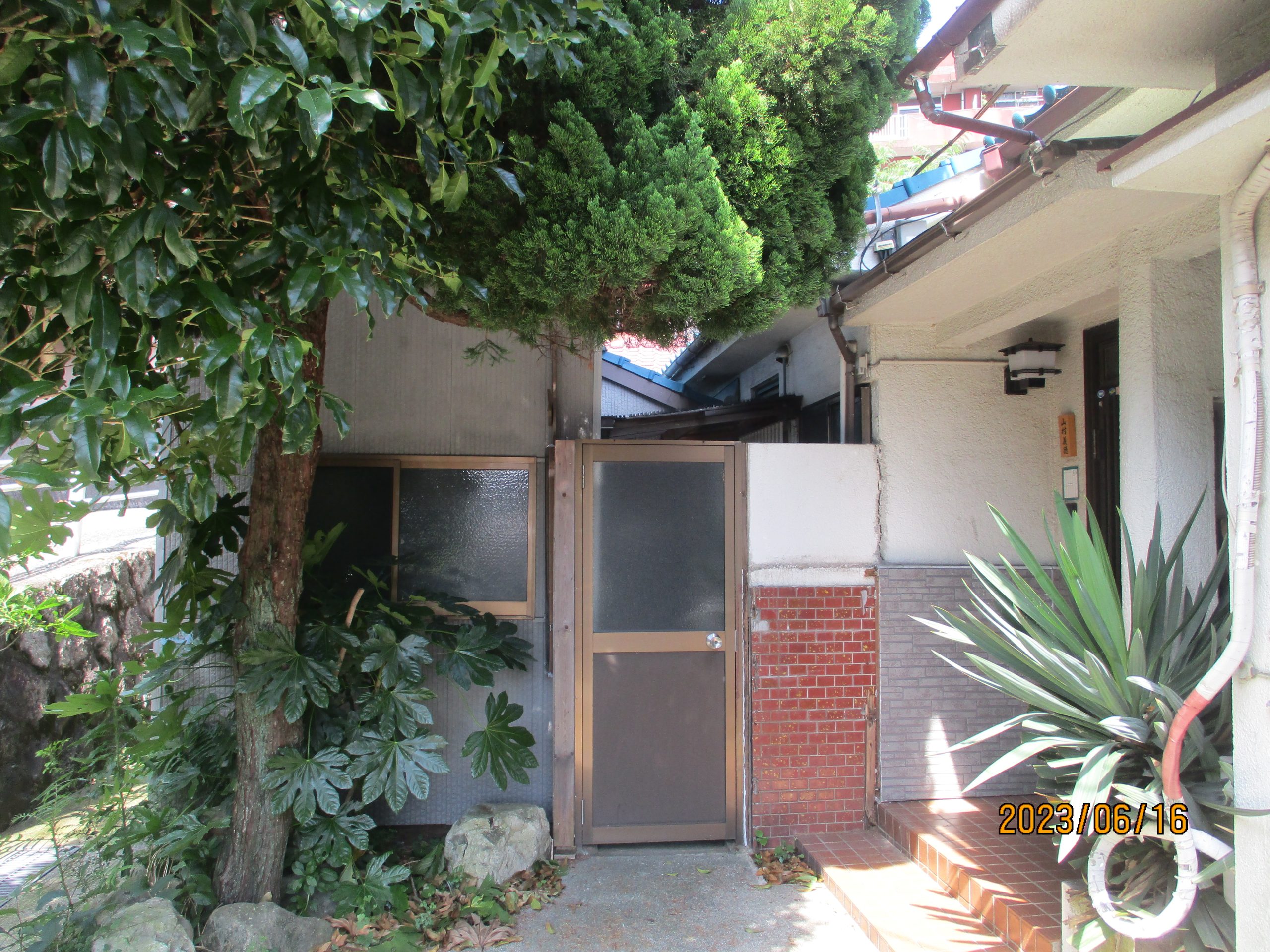
Akiya bank — 74 listings
These are all 74 homes for sale registered with the municipal vacant house bank (as checked on 17 August 2026). They are listed cheapest first. There are also 7 rental registrations. For 4 of them the building area is not published, so the floor-plan button does not appear.
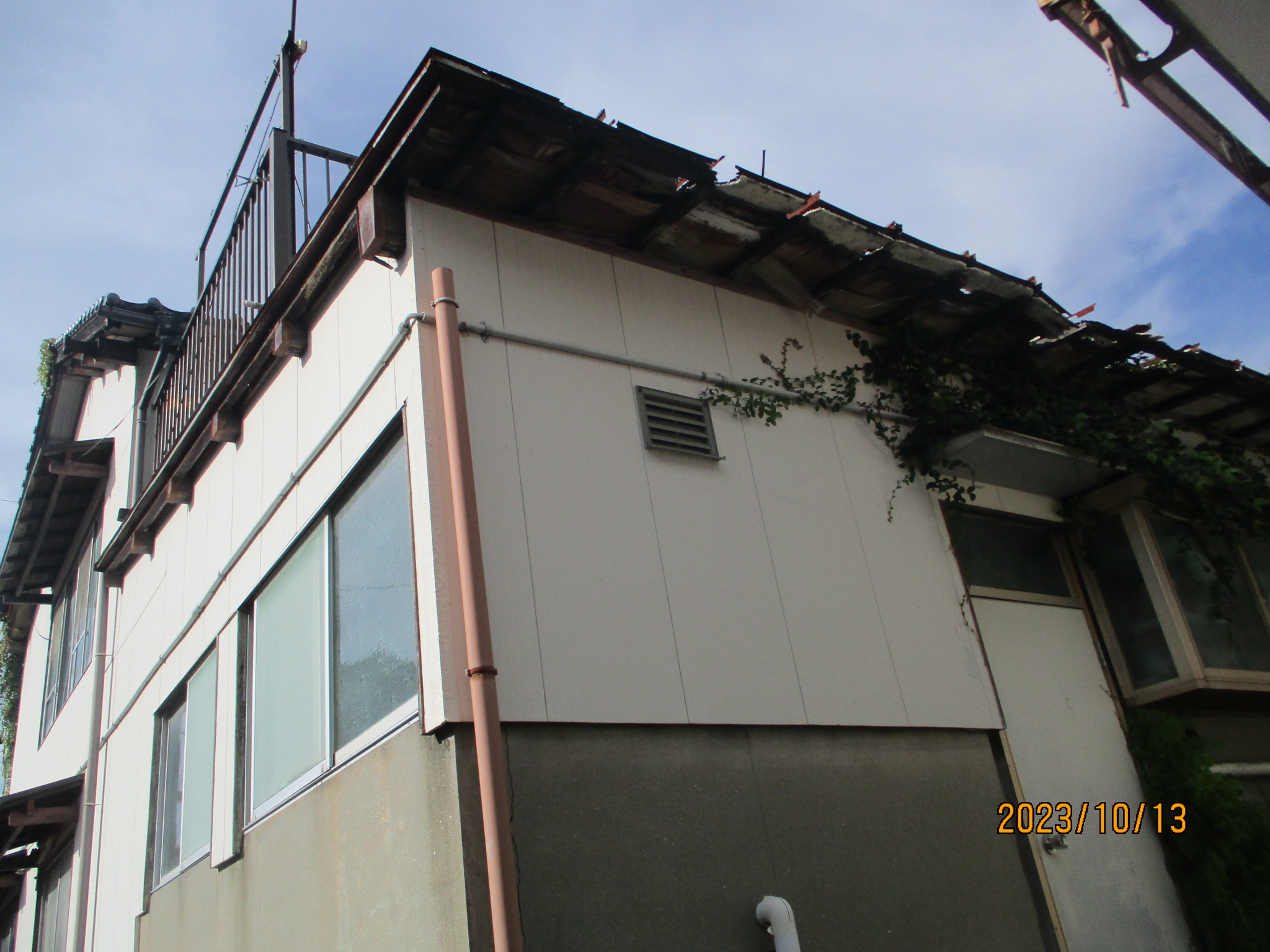
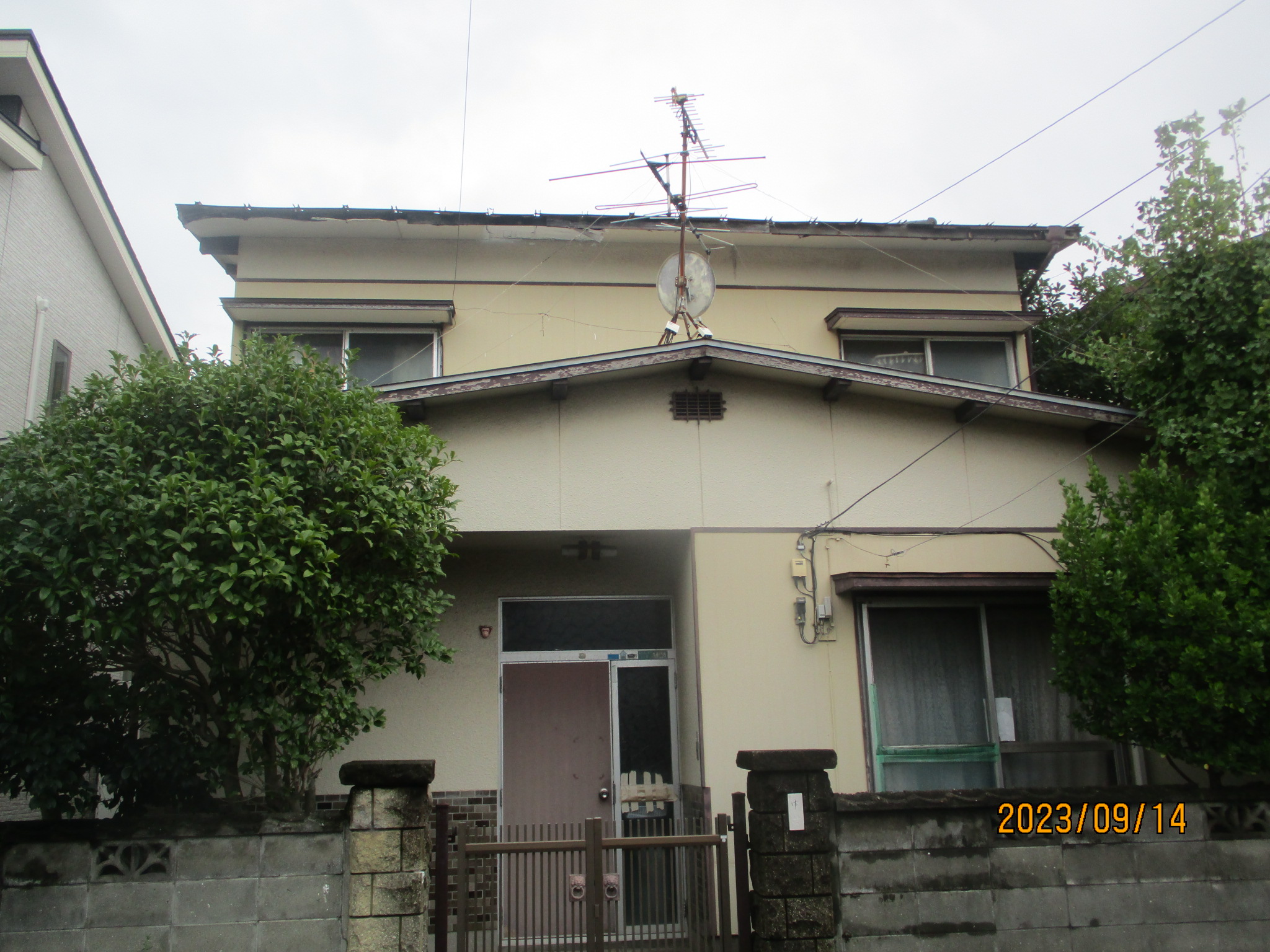
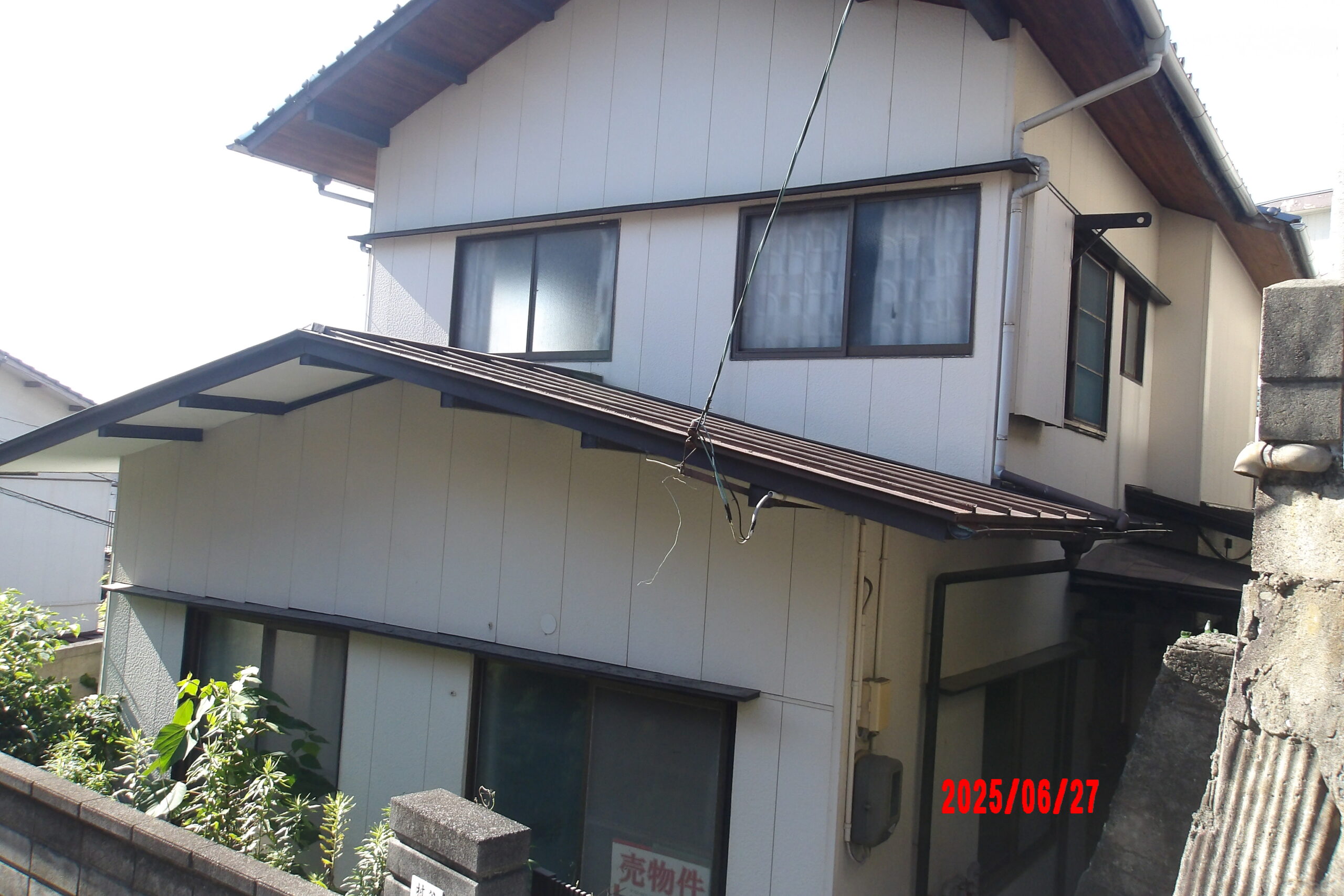
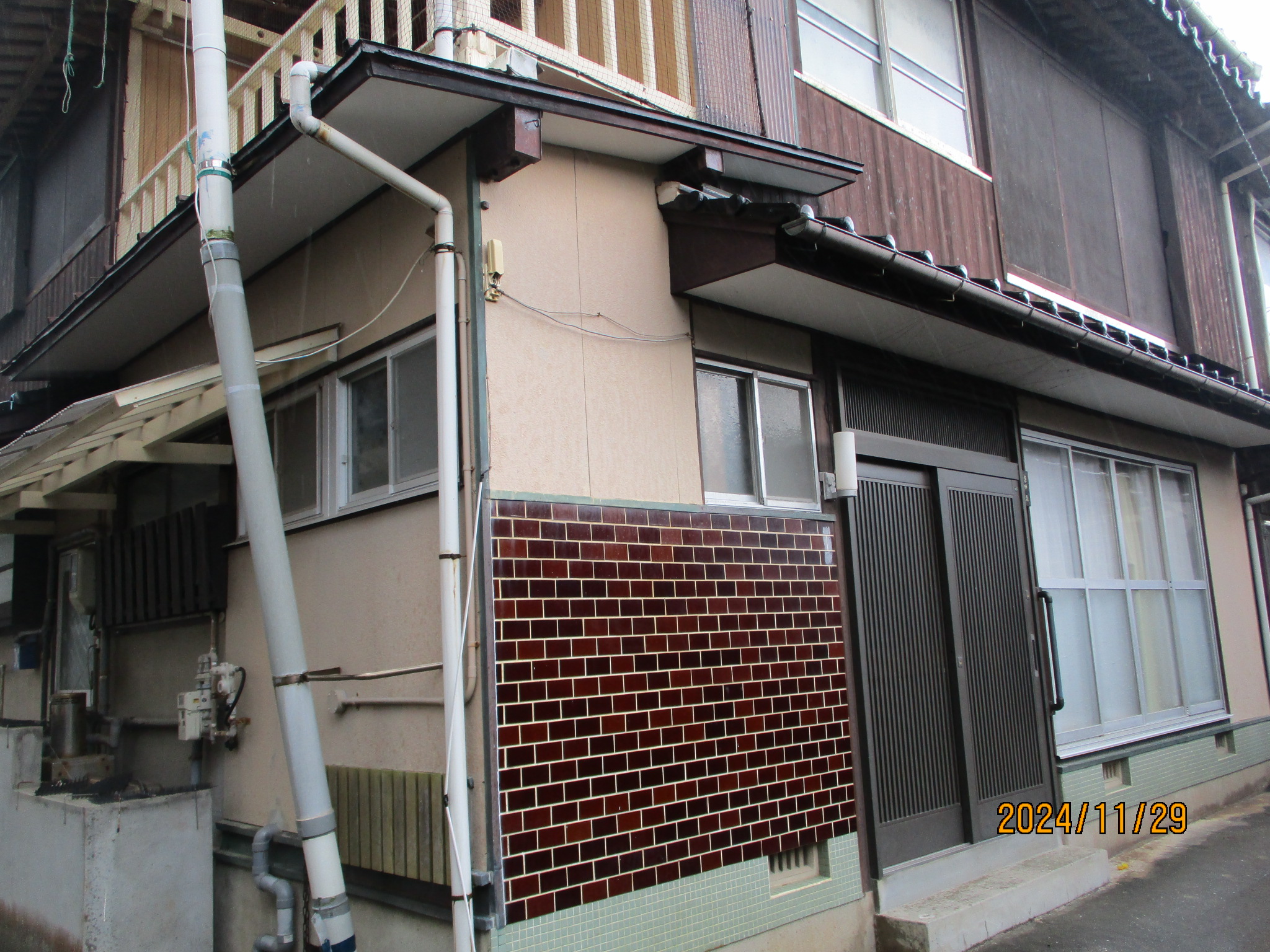







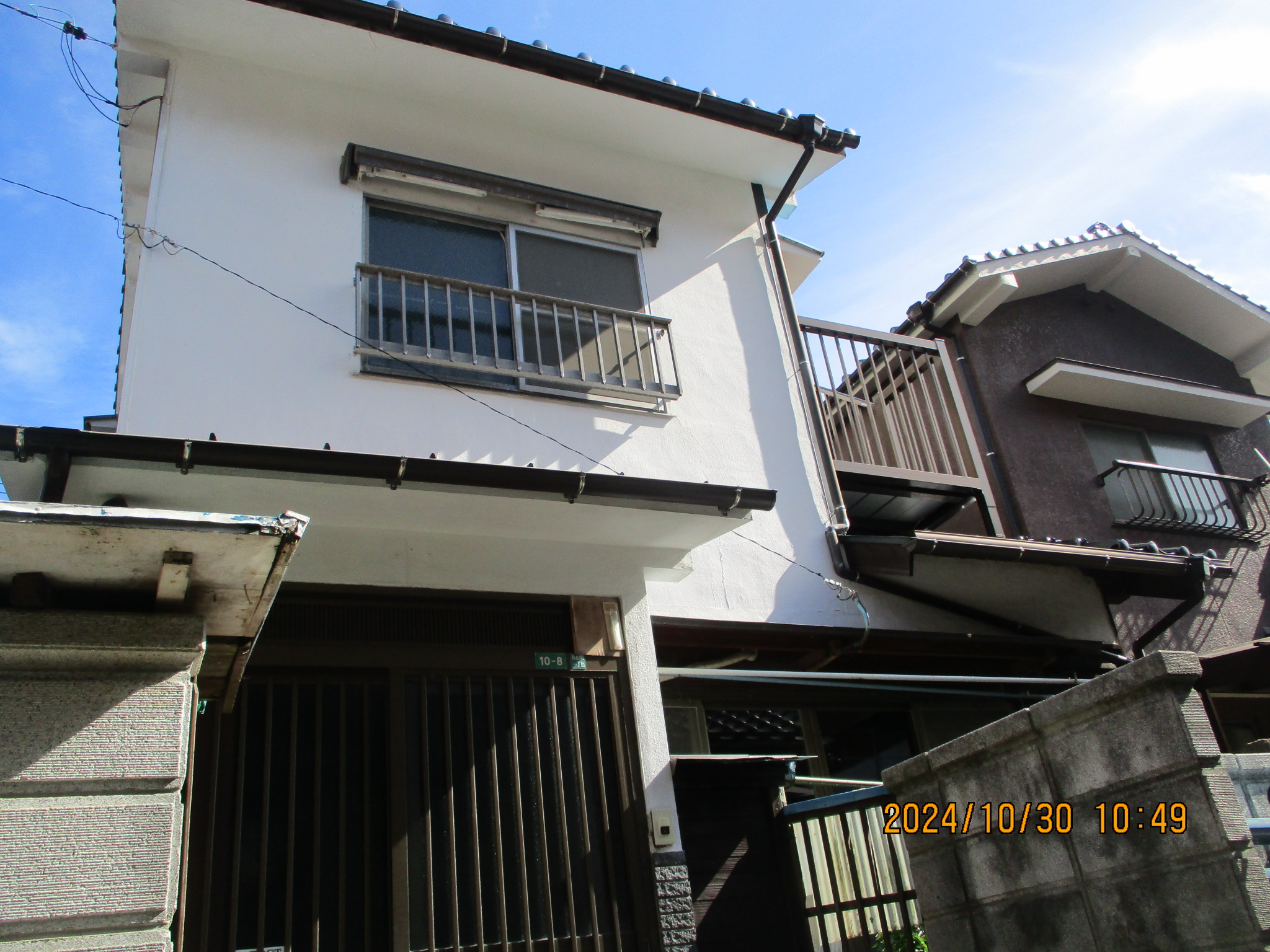
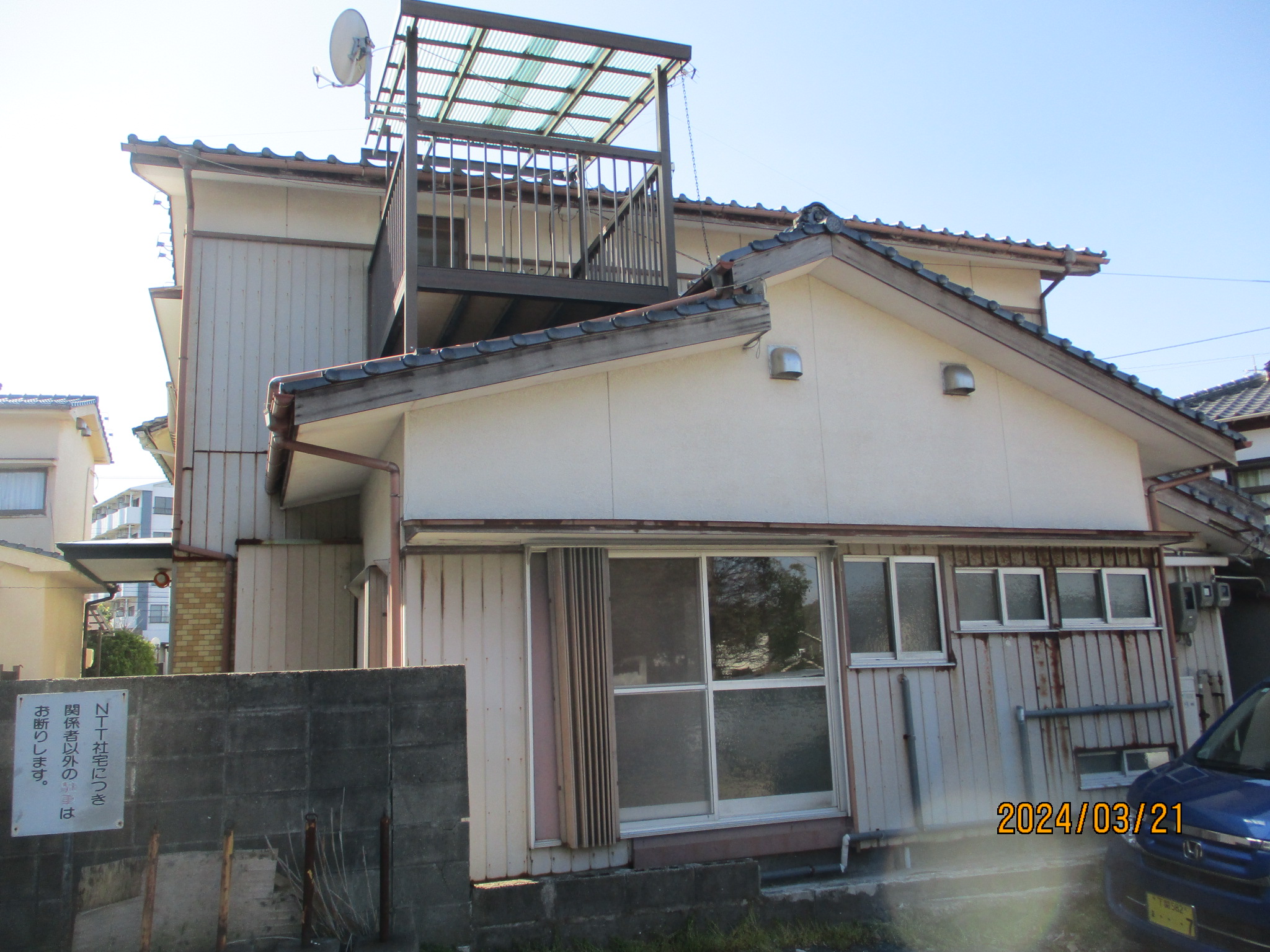
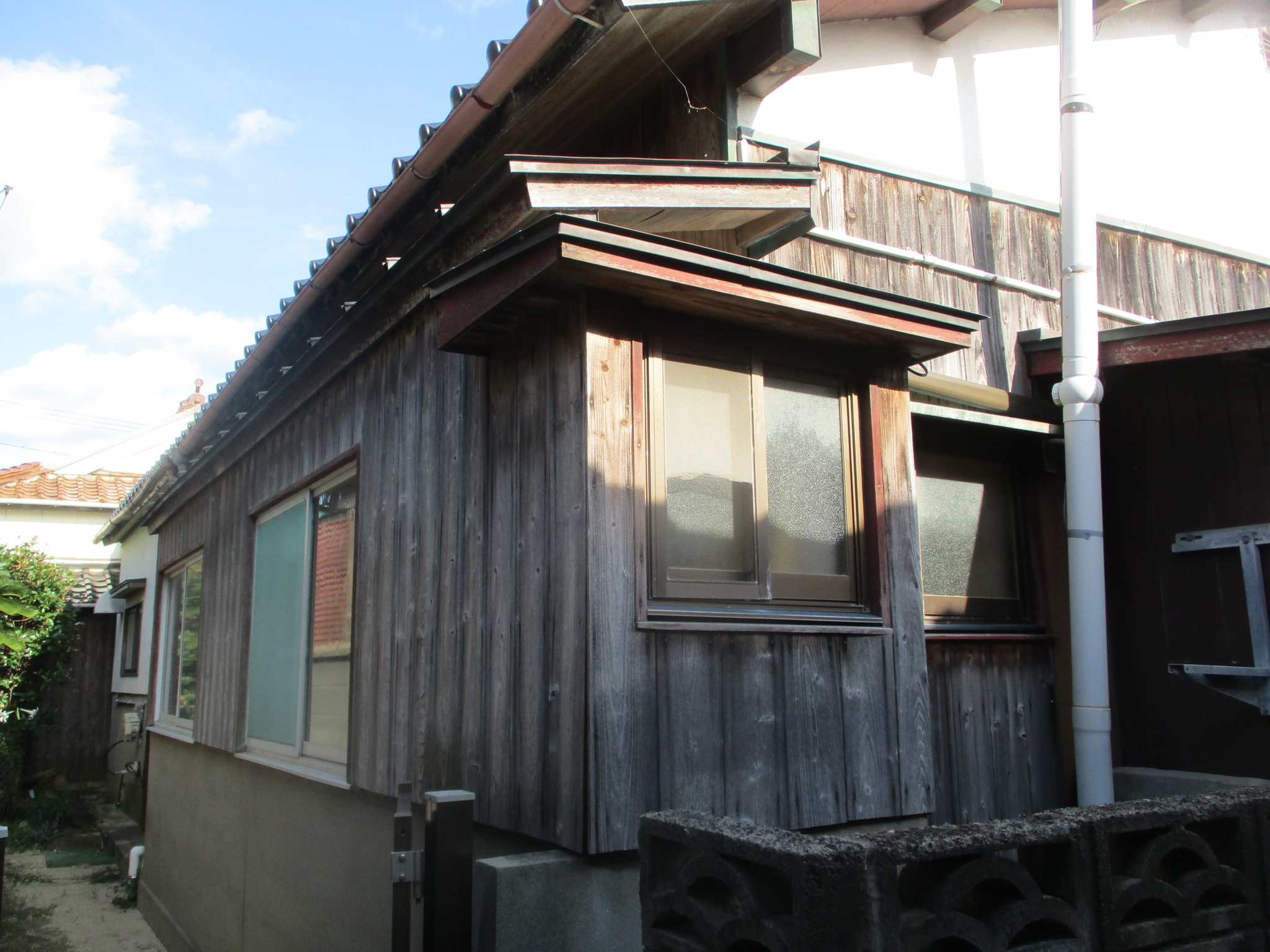
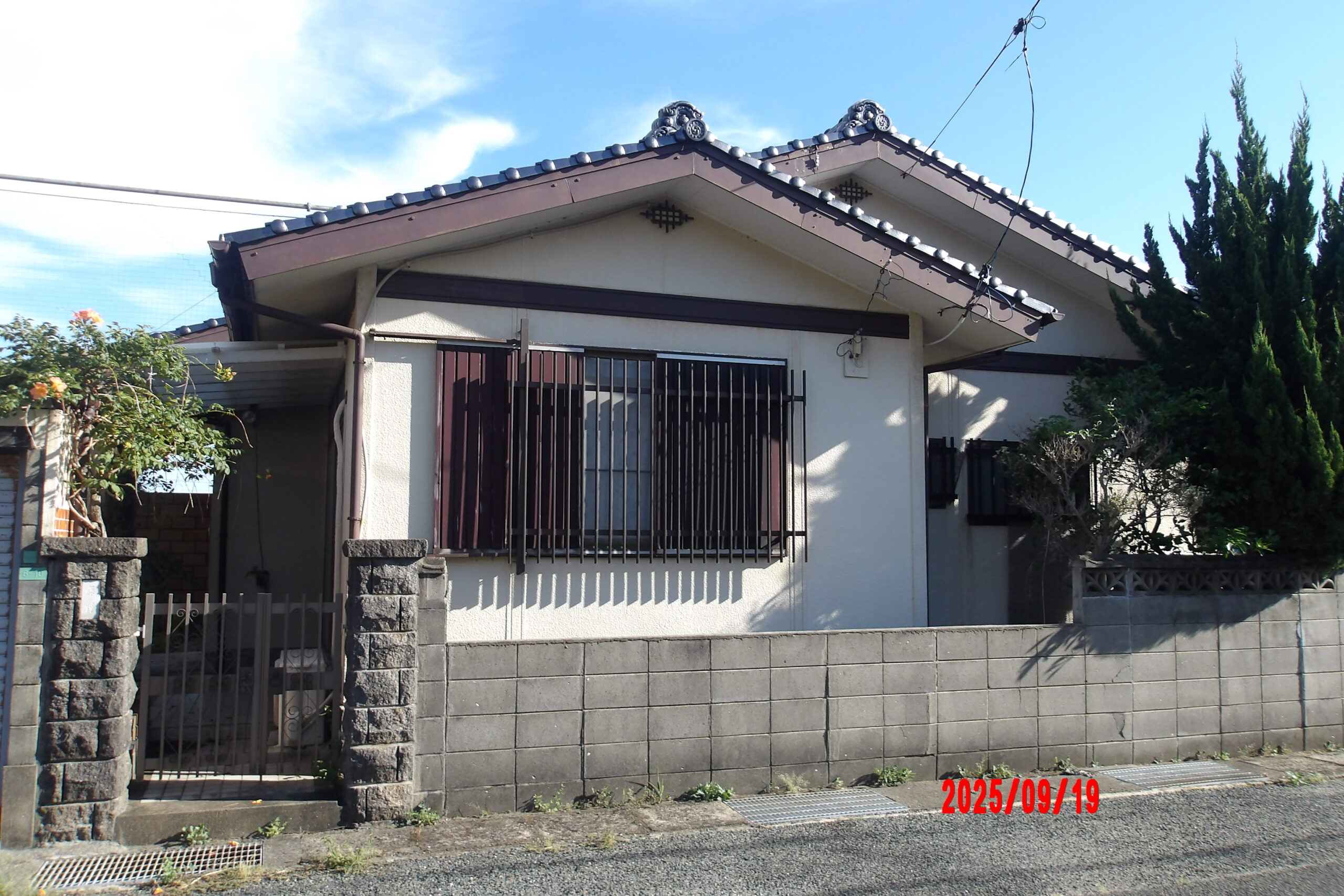
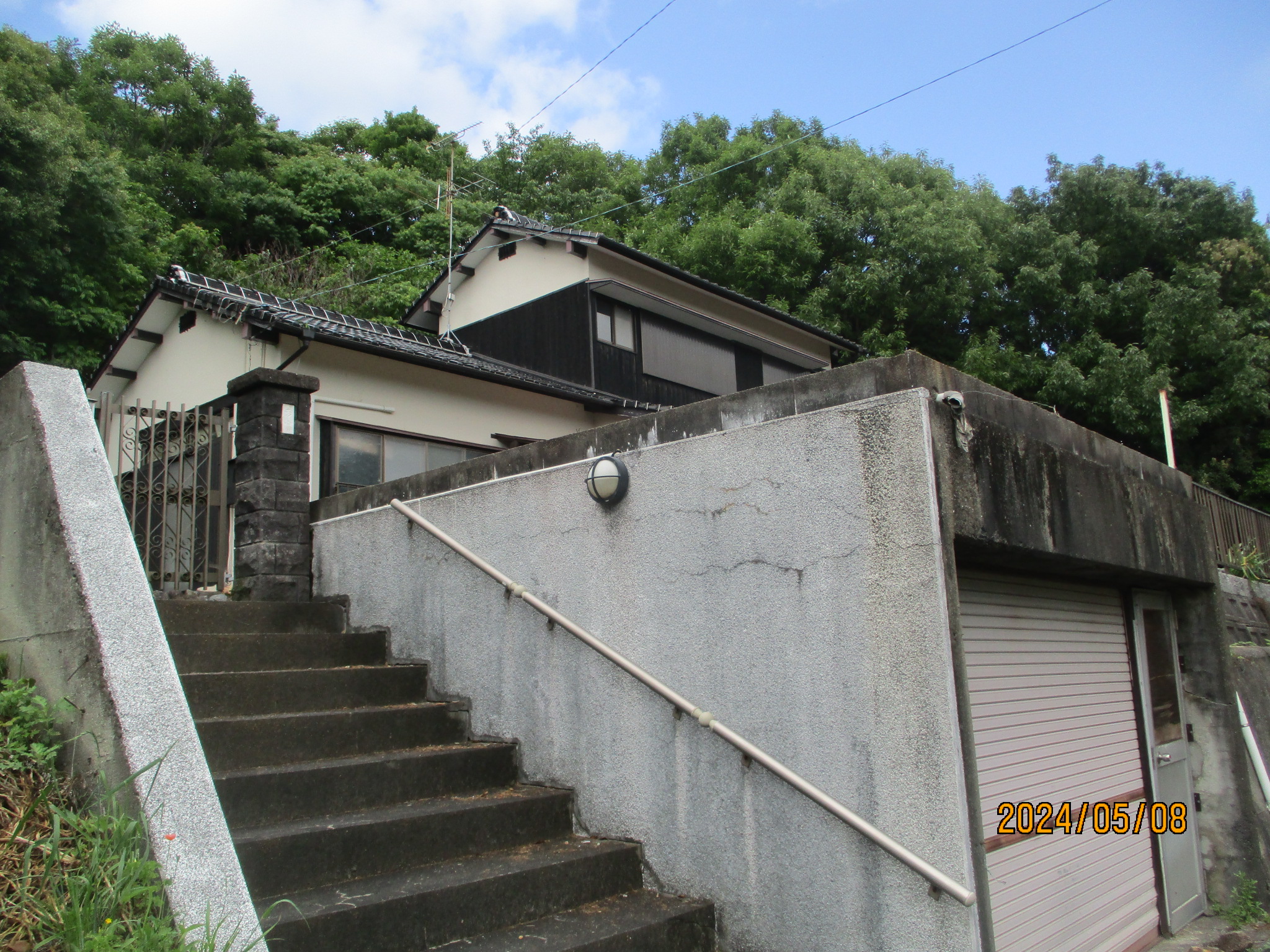

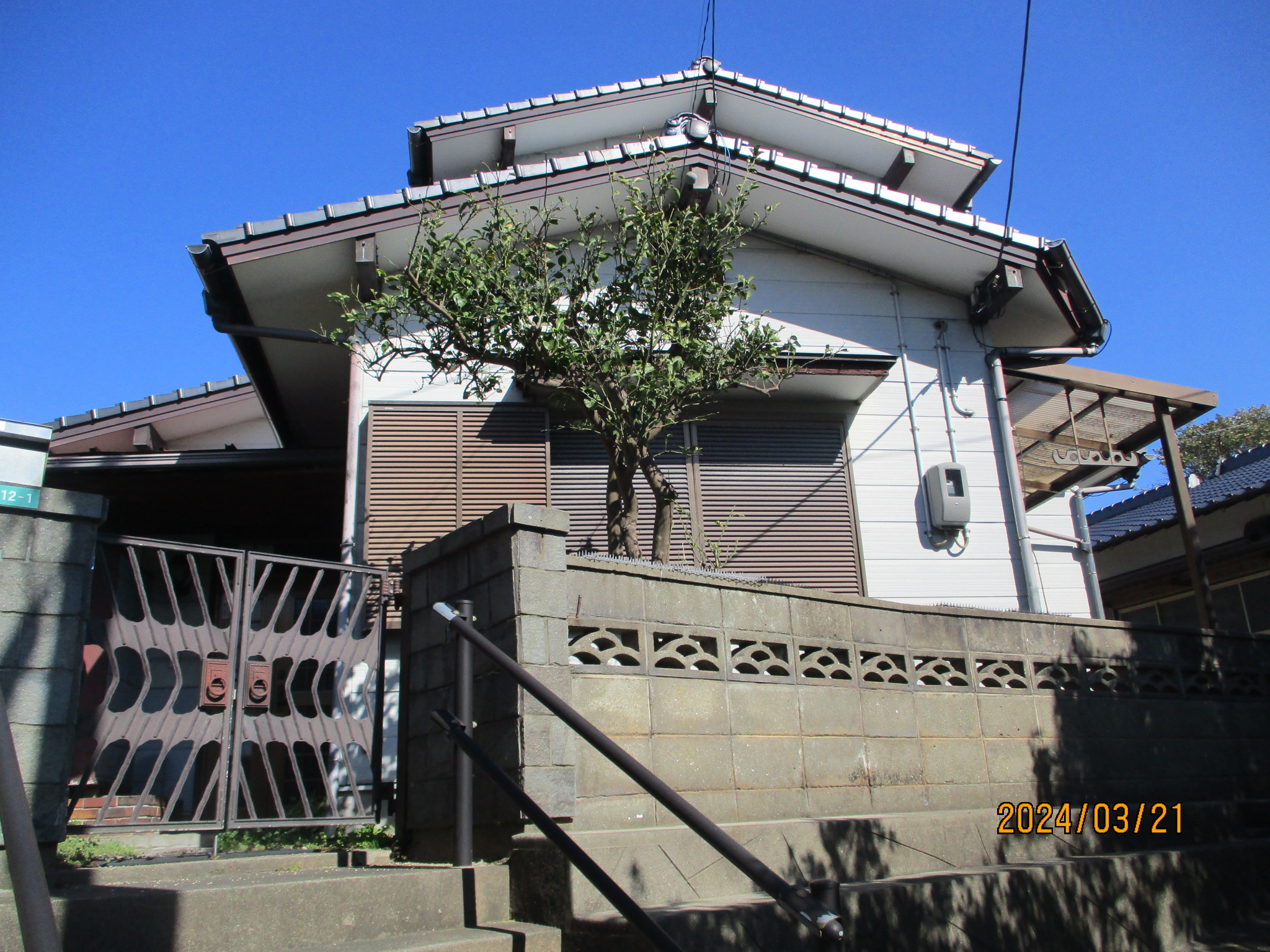
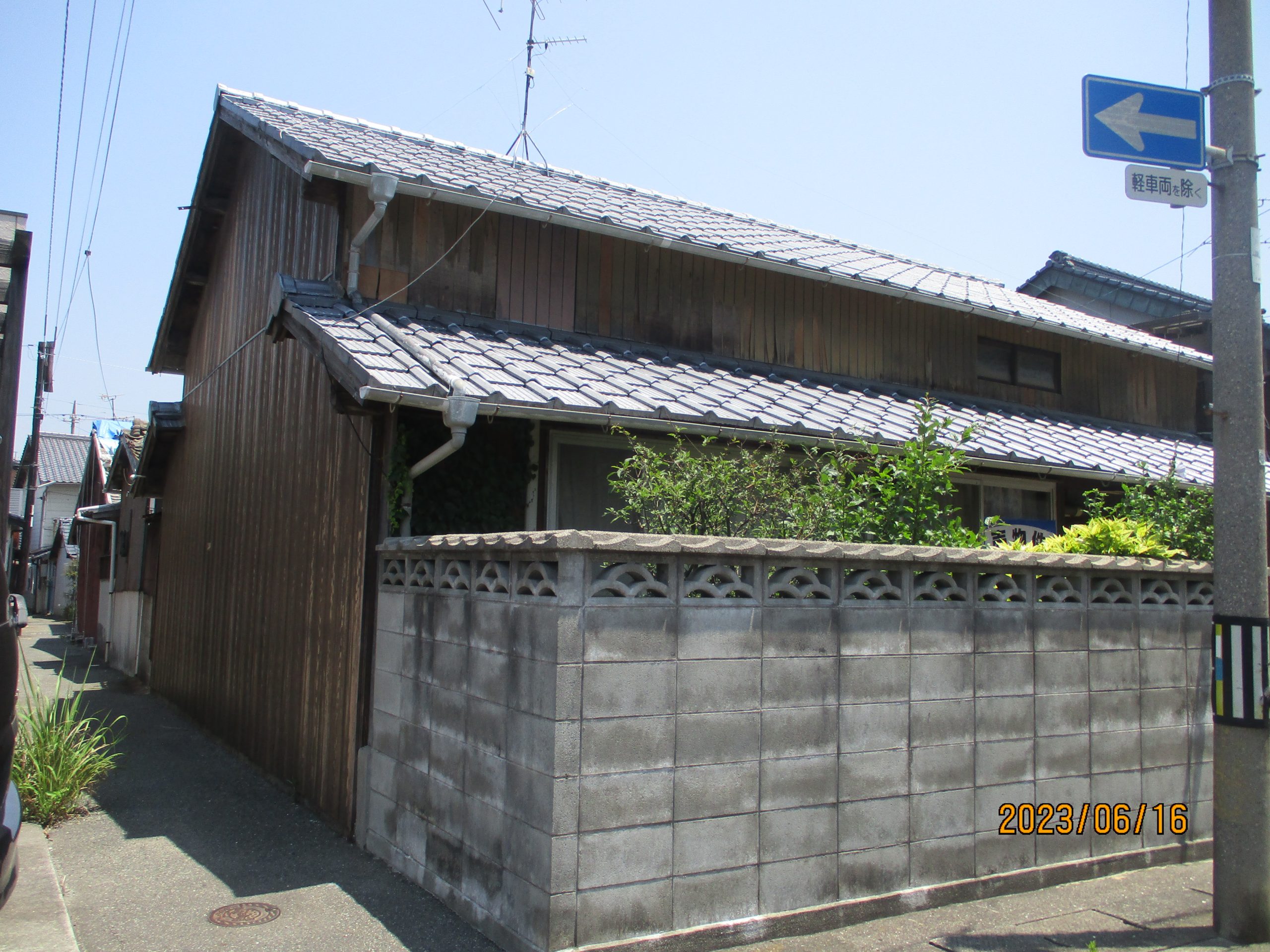
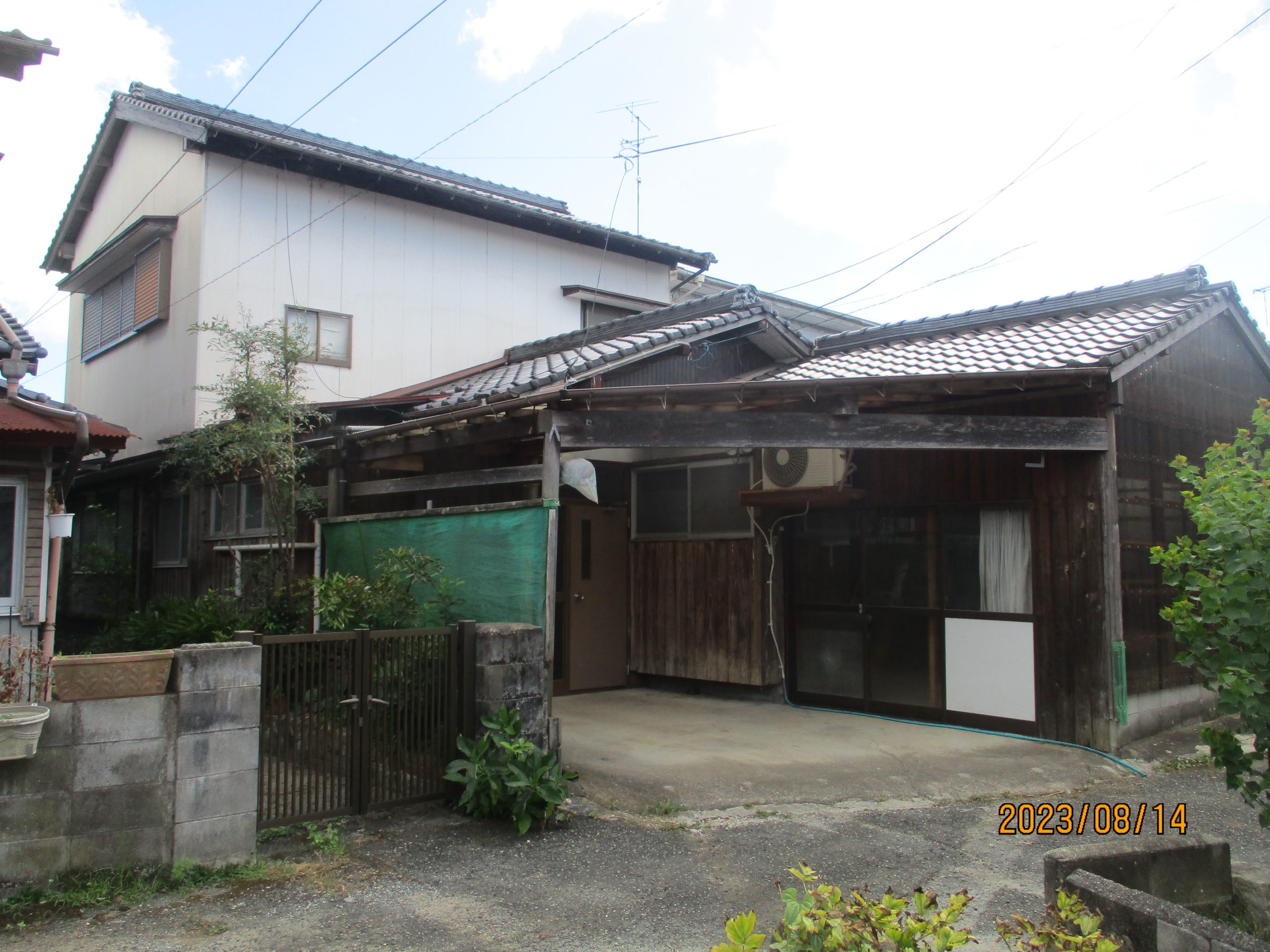



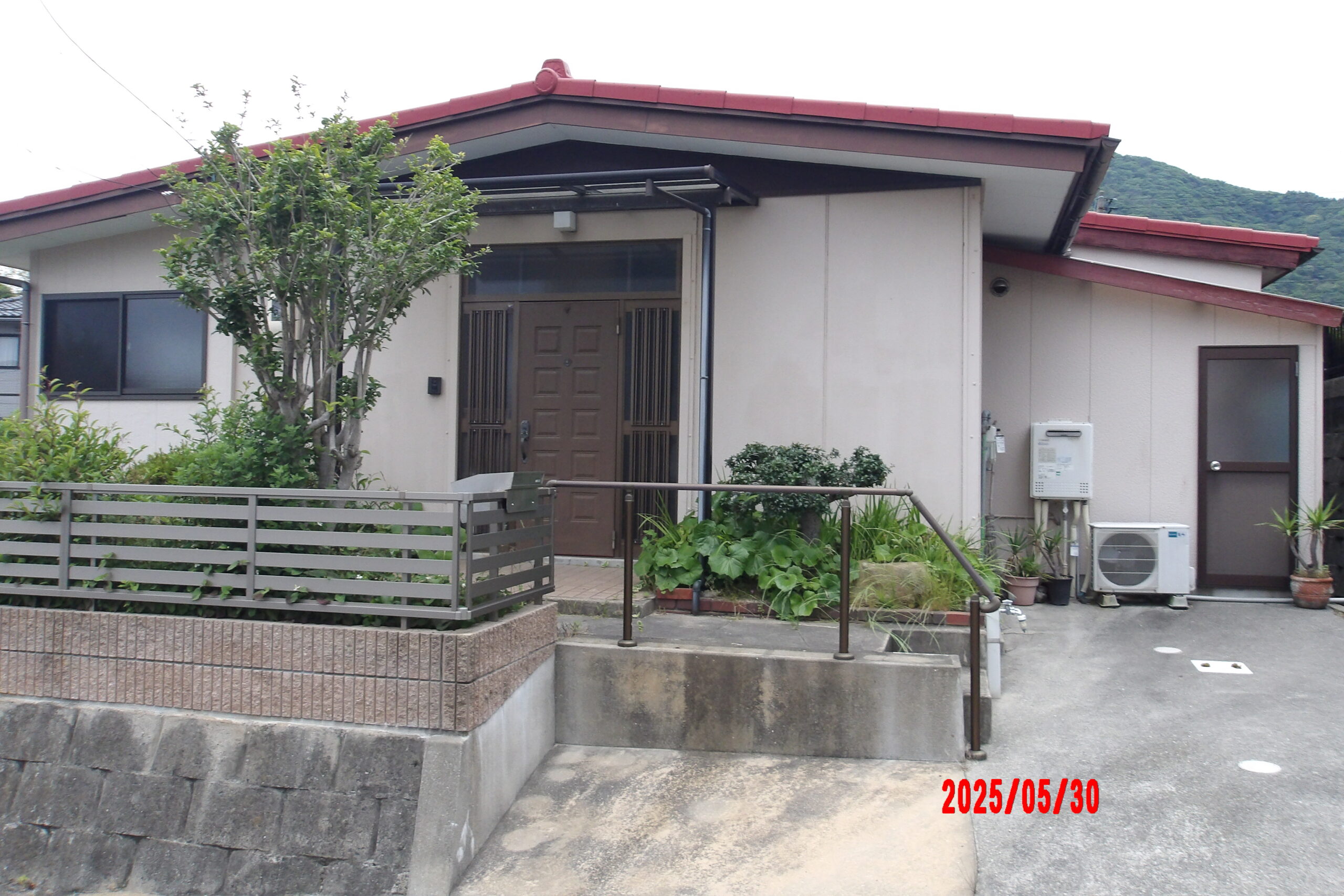
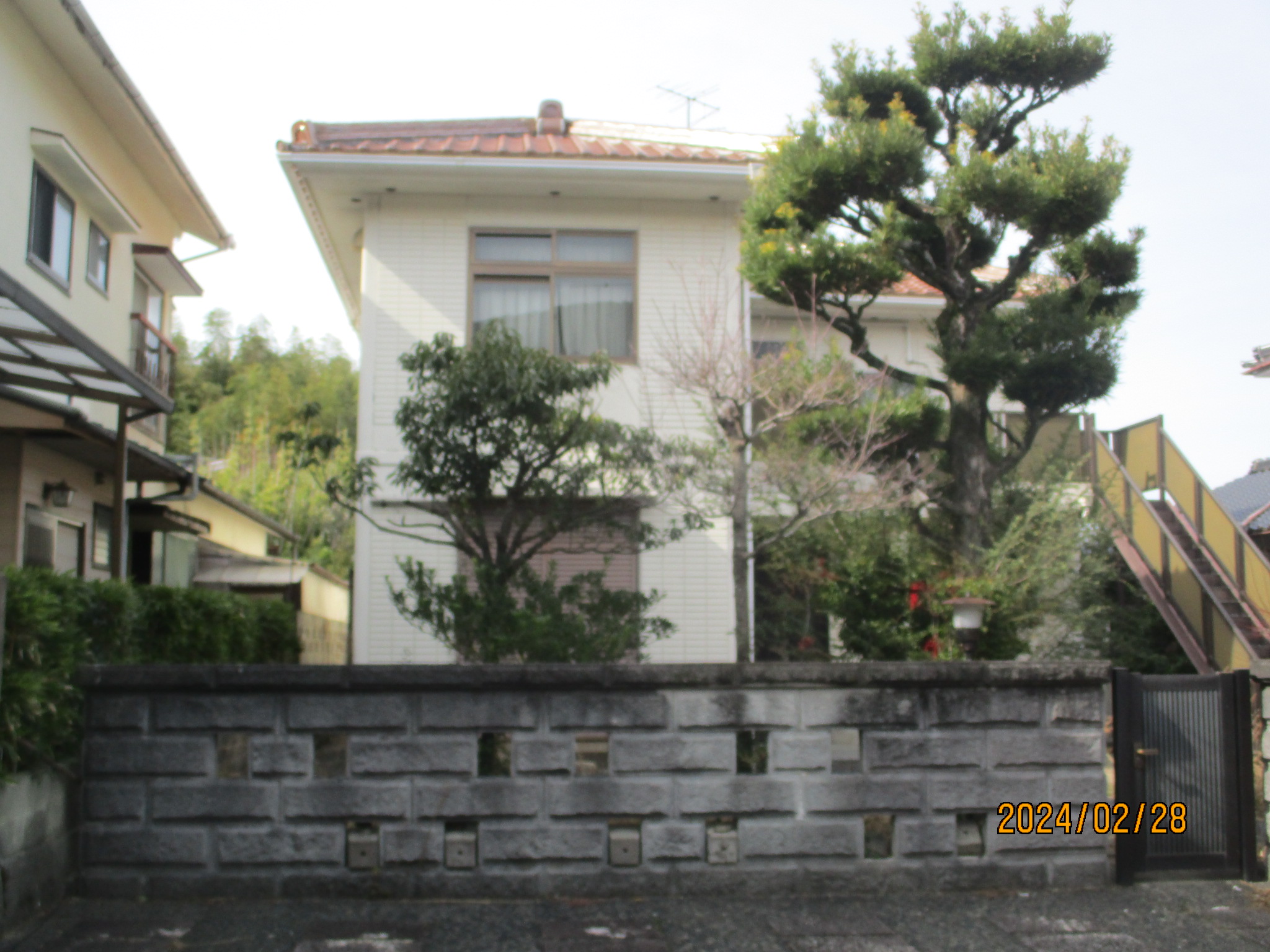
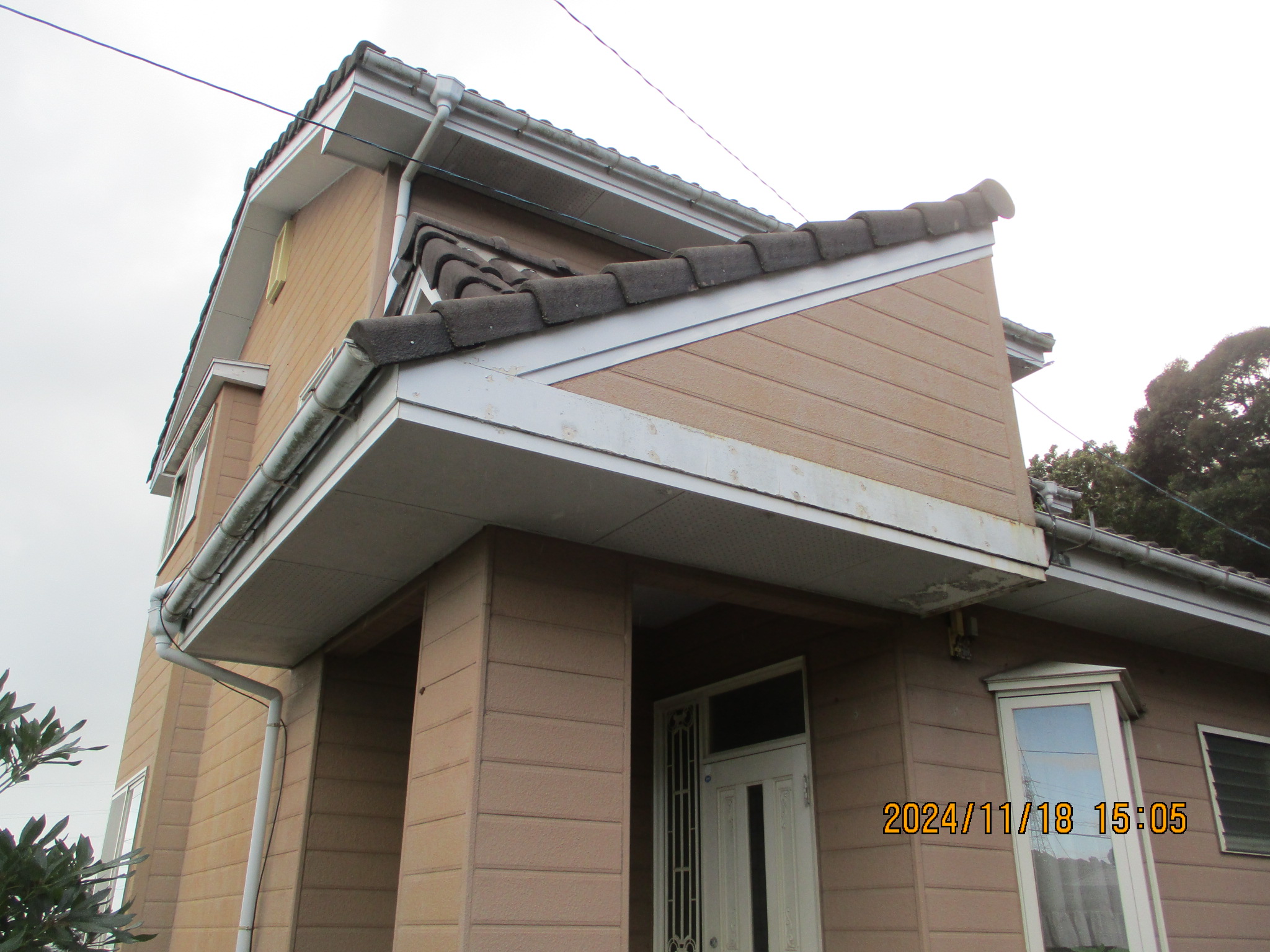

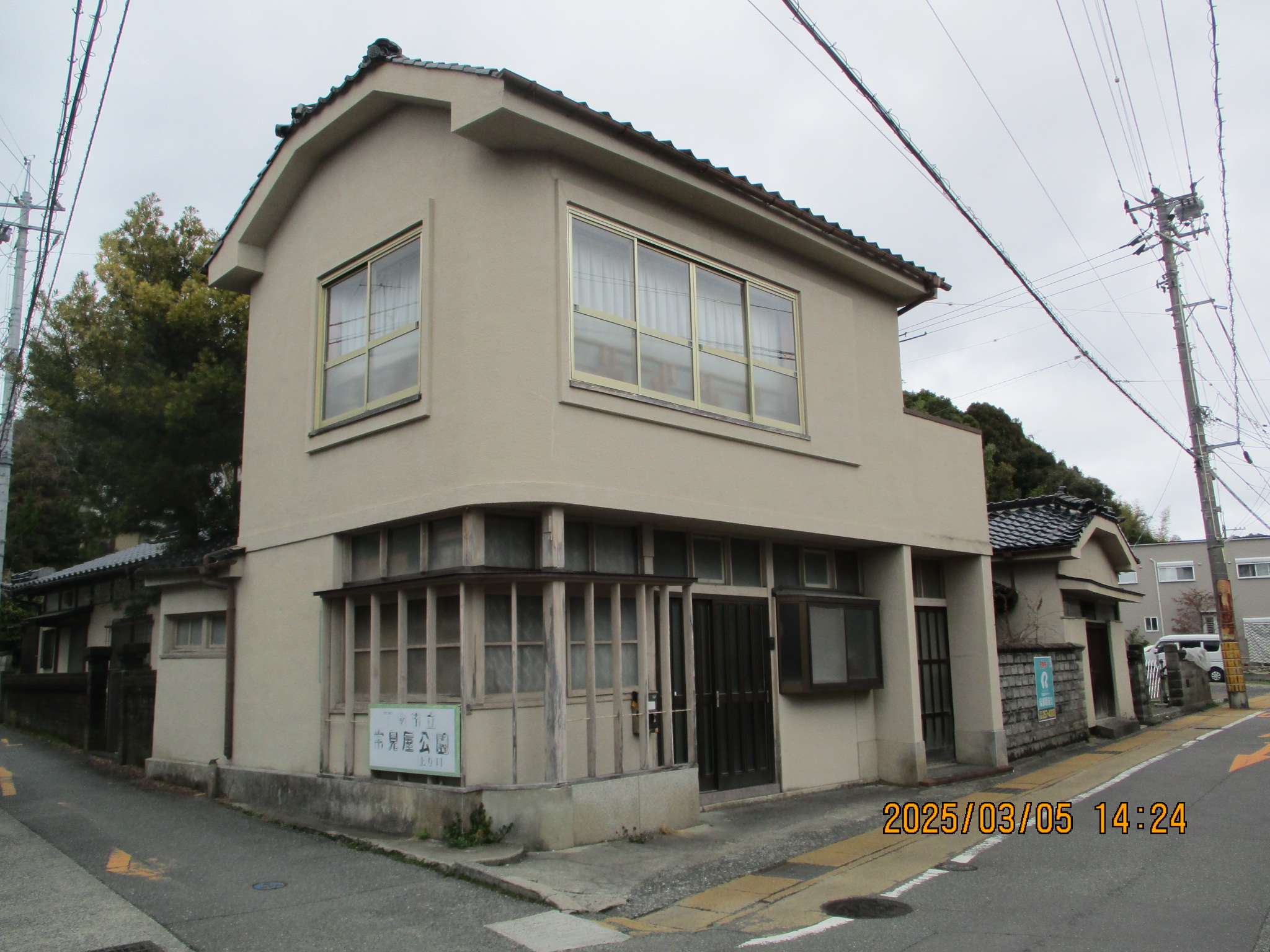


What is the cheapest house you can buy in Shimonoseki?
SUUMO lists 510 second-hand detached houses. Prices run from 350,000 yen to 99,000,000 yen with a median of 13,500,000 yen, and 205 (40%) are 10,000,000 yen or less, 113 are 5,000,000 yen or less. The median land area is a generous 231 square metres, while 253 (50%) were built in 1981 or earlier.
CHAPTER 05Is the ground safe?
Shimonoseki is designated a Nankai Trough Earthquake Disaster Prevention Promotion Area. Even so, the chance of intensity 6- lower or above over 30 years is 5.6% — within the same promotion area, that is an order of magnitude away from Kochi or Shizuoka. Whether an area is designated and how strongly it is actually expected to shake are two different things.
Is this town inside a national earthquake-preparedness zone?
For each major earthquake, national law designates the areas where preparation is to be advanced. Whether a town is designated tells you directly how the national government views the shaking and tsunami expected there.
| Nankai Trough Earthquake Disaster Prevention Promotion Area | 🔴 Designated |
|---|---|
| Tokyo Inland Earthquake Emergency Measures Area | Not applicable (the whole of Yamaguchi Prefecture is outside this scheme) |
| Japan Trench / Kuril Trench Earthquake Disaster Prevention Promotion Area | Not applicable (the whole of Yamaguchi Prefecture is outside this scheme) |
| Shaking of intensity 6-lower or above within 30 years | 5.6% (intensity 6+ upper or above is 1.0%) At the point of Shimonoseki City Hall. The surface ground is AVS30 260m/s, sandbar and sand-and-gravel bar |
Look up an address on J-SHIS → Designations from the Cabinet Office list of designated municipalities (Nankai Trough Earthquake Disaster Prevention Promotion Area/Tokyo Inland Earthquake Emergency Measures Area/Japan Trench / Kuril Trench Earthquake Disaster Prevention Promotion Area ) / probability and surface ground from theNational Research Institute for Earth Science and Disaster Resilience, J-SHIS earthquake hazard information API (2024 edition, average case, all earthquakes), queried at the city hall coordinates / verified 2026-08-16
Designated it may be, but the probability of shaking is on the low side
Shimonoseki City is inside the Nankai Trough Earthquake Disaster Prevention Promotion Area, but the chance of being hit by intensity 6- lower or above over 30 years is 5.6%, and 6+ upper or above 1.0% (at the city hall point). Set against the areas this site has covered — Iwaki 88.6%, Wakayama 70.8%, Osaki 27.7%, Naha 20.8% — Shimonoseki is on the low side. That said, the city hall stands on a sandbar and sand-and-gravel bar (AVS30 260.2m/s), a landform that includes reclaimed land along the strait. Even within the city, inland terraces and low ground by the sea differ greatly. When you find a house you like, look up that address on J-SHIS.
Shimonoseki City keepsdisaster prevention map among the "featured keywords" on its top page at all times, treating it as one of the first things a resident opens.Open it for the address before you go to view a property.
Is the disaster risk high in Shimonoseki?
It is designated a Nankai Trough Earthquake Disaster Prevention Promotion Area, but the chance of intensity 6- lower or above over 30 years is 5.6% — within the same promotion area, an order of magnitude away from Kochi or Shizuoka. Whether an area is designated and how strongly it is actually expected to shake are two different things.
CHAPTER 06What summer and winter are like
Within one Shimonoseki, winter mornings differ 40-fold. The town centre along the strait has 1.8 days a year below freezing. Inland Toyota has 73.7. The town centre is far warmer than Tokyo, and the interior far colder — that is Shimonoseki, 44km from north to south.
The twelve months of temperature, set out as they are
The left end of each bar is the average daily minimum for that month and the right end the average daily maximum (Shimonoseki, the 30-year average for 1991–2020).
These are the figures for how summer nights and winter mornings compare with Tokyo
| Days per year | Shimonoseki | Tokyo |
|---|---|---|
| Tropical nights minimum 25°C or above | 38.9 days | 17.8 days |
| Days above 35°C maximum 35°C or above | 0.7 days | 4.8 days |
| Days above 30°C maximum 30°C or above | 47.6 days | 52.1 days |
| Frost days minimum below 0°C | 1.8 days | 15.2 days |
| Days below freezing all day maximum below 0°C | 0.0 days | 0.0 days |
As for snow, the yearly total is 2 cm, and the normal for the deepest snow cover is 2 cm.
Source:Japan Meteorological Agency, normals for Shimonoseki (by month) /the same, day counts by class (view=a2)/the same, Tokyo (all 30-year averages for 1991–2020) / verified 2026-08-141.8 days a year in the town centre, 73.7 days a year inland
| Days per year | Shimonoseki (town centre) | Toyota (inland) | Tokyo |
|---|---|---|---|
| Frost days minimum below 0°C | 1.8 days | 73.7 days | 15.2 days |
| Below freezing all day maximum below 0°C | 0.0 days | 0.1 days | 0.0 days |
| Tropical nights minimum 25°C or above | 38.9 days | 2.3 days | 17.8 days |
| Days above 30°C maximum 30°C or above | 47.6 days | 43.6 days | 52.1 days |
| Days above 35°C maximum 35°C or above | 0.7 days | 0.6 days | 4.8 days |
| Total snowfall | 2cm | — | 8cm |
Winter in the town centre is among the mildest in Honshu. The average January daily low is 4.8°C, 3.6°C higher than Tokyo's 1.2°C. There are 1.8 days a year below freezing, and total annual snowfall is 2cm — a winter without shovelling. It is held between the straits and warmed by the current. In return, summer nights are humid. There are 38.9 tropical nights a year, more than twice Tokyo's 17.8. But days above 35°C number 0.7 a year (Tokyo 4.8), so daytime heat is gentler than in Tokyo. Go inland and it becomes another place entirely. Toyota's average January daily low is −1.1°C, with 73.7 days a year below freezing — 40 times the town centre. Conversely there are only 2.3 tropical nights a year. If you are house-hunting in Toyota or Kikugawa, plan on winter tyres and heating. In exchange, you can sleep quietly on summer nights.
Sources: the inland figures are fromthe Japan Meteorological Agency normals for the Toyota AMeDAS(day counts by class). The Toyota AMeDAS does not observe snowfall, so total snowfall is shown as "—" / checked 2026-08-15Is winter in Shimonoseki cold?
🔴 Within one Shimonoseki, winter mornings differ 40-fold. The town centre along the strait has 1.8 days a year below freezing (January daily low 4.8°C), while inland Toyota has 73.7 (−1.1°C). The town centre is far warmer than Tokyo and the interior far colder — that is Shimonoseki, 44km from north to south.
CHAPTER 07Shops, hospitals, schools
Where would you be taken if you collapsed in the night? In Shimonoseki the answer is Kanmon Medical Center in Chofu. It is the critical care centre covering the Shimonoseki and Nagato area, taking primary through tertiary cases 24 hours a day, 365 days a year.
Hospitals — the city has a critical care centre and a heliport
| Kanmon Medical Center | Detail |
|---|---|
| Where | 1-1 Chofu Sotora-cho, Shimonoseki City (National Hospital Organization) |
| Critical care centre | It covers the Shimonoseki and Nagato area and provides emergency care across the primary to tertiary range. ER24 is open 24 hours a day, 365 days a year, with a 3-bed initial treatment room and 3 outpatient consultation rooms |
| Heliport | Adjacent. Because it can take not only the doctor-helicopter but also Japan Coast Guard and Self-Defense Force helicopters, it is equipped for wide-area disaster medicine |
| Other designations | Regional medical support hospital / disaster base hospital / designated clinical training hospital (core type) |
| Other hospitals in the city | Shimonoseki City Hospital (Koyo-cho; disaster base hospital and regional medical support hospital), Saiseikai Shimonoseki General Hospital and Shimonoseki Medical Center. These four hospitals carry secondary emergency care |
The other side of the strait is an option too. Being 13 minutes by train from Kokura matters for medicine as well. But emergency transport is set up to be completed within the city, so start by looking at the distance to Kanmon Medical Center. From Takibe in Hohoku to Chofu is about an hour by car.
Emergency Department ER24 (Kanmon Medical Center) → Source:National Hospital Organization Kanmon Medical Center, "Emergency Department ER24"/Yamaguchi Prefecture, "Shimonoseki City Hospital, Public Medical Institution 2025 Plan" (PDF)(the 4 hospitals carrying secondary emergency care) / checked 2026-08-15Shopping
Shopping in Shimonoseki runs on two legs: the markets and the big stores. Karato Market is a municipal market facing the Kanmon Strait, and on Fridays, Saturdays, Sundays and public holidays it fills with the general public as "Ikiiki Bakangai." Its handling of fugu (in Shimonoseki they say "fuku") is the largest in Japan. Everyday shopping means the roadside stores of the town centre, Chofu and Ozuki, and Kokura, 13 minutes by train. Plenty of people use the shopping centres of Kitakyushu City.
Childcare
Shimonoseki City's support for families is substantial enough that anyone considering a move should look at it. The city lists medical costs made completely free through high school age, free childcare fees from the second child onwards, school meal support, a childrearing support payment for 1- and 2-year-olds, a support payment for expectant mothers, childrearing taxi support, and support for repaying student loans. In addition, residents settling in Toyoura, Toyota and Hohoku and on Futaoijima and Mutsurejima receive a birth gift of 200,000 yen for each third or subsequent child.
Source:Shimonoseki City, "Reiwa 8 list of relocation and settlement support schemes"/ Verified 2026-08-15What is emergency medical care like in Shimonoseki?
Kanmon Medical Center in Chofu is the critical care centre covering the Shimonoseki and Nagato area, taking primary through tertiary cases 24 hours a day, 365 days a year. The adjacent heliport can take not only the doctor-helicopter but also Japan Coast Guard and Self-Defense Force helicopters.
CHAPTER 08What it costs you every year after you buy
Shimonoseki's water is read every two months, and it is currently partway through a three-stage increase. The rates were revised in April Reiwa 8, but as a measure against rising prices the city has kept the old rates through the November Reiwa 8 reading, returning to the full amount in stages from December. The amount you are billed now will not stay the same.
| When | 40 m³ over two months | Breakdown (13mm pipe, including consumption tax) |
|---|---|---|
| Now April to November Reiwa 8 readings | 12,878 yen 6,439 yen a month | Water 6,206 yen + sewerage 6,672 yen. Held at the old rates (the city absorbs 100% of the increase) |
| Next stage December Reiwa 8 to January Reiwa 9 | ¥13,494 | Water 6,822 yen + sewerage 6,672 yen. An increase averaging 10% (the city absorbs 50% of the increase) |
| The full amount From the February Reiwa 9 reading | 14,132 yen 7,066 yen a month | Water 7,460 yen + sewerage 6,672 yen. 1,254 yen more than now |
| Neighbourhood association fee | — | It differs by association, and the city does not publish the amounts. You ask the association you are joining (§11) |
🔴 Only the water charge is reduced; the sewerage charge does not change (the city's note). 40 cubic metres over two months is the same quantity as the "20 cubic metres a month" used on other area pages, so they can be compared side by side.
Source:Shimonoseki City Waterworks and Sewerage Bureau, "Outline of the water charge support scheme (reduction of water charges)"(decided June Reiwa 8, extending the freeze by two months) and the PDF "Water and sewerage charge quick reference table (13mm pipe, two months)" published on the same page / checked 2026-08-15How much does water cost in Shimonoseki?
🔴 It is currently partway through a three-stage increase. Through the November Reiwa 8 reading the old rates are held, so 40 cubic metres over two months costs 12,878 yen, but from December it returns to the full amount in stages. The amount you are billed now will not stay the same.
CHAPTER 09What happens when you want to sell
Shimonoseki has 510 second-hand detached houses on the market. For a city of 230,000 people that is by far the deepest market this site has covered. That means it is easy to choose from — and also that there are many competitors when you sell.
| What to look at | Shimonoseki City in practice |
|---|---|
| Depth of the market | 510 listings on SUUMO. Iwaki City (310,000 people, 362 listings) has more people but fewer listings, so per head of population this is the highest on this site |
| Price band | Across all 510: 350,000 to 99,000,000 yen, median 13,500,000 yen. 205 (40%) are 10,000,000 yen or less, 113 are 5,000,000 yen or less, and 382 (75%) are 20,000,000 yen or less |
| Difference by district | The medians are town centre 17,140,000 yen, east 14,980,000 yen, Kikugawa/Toyota 9,400,000 yen, Hikoshima 9,300,000 yen, Toyoura/Hohoku 3,800,000 yen |
| Background | The population went from 255,051 in Reiwa 2 to 237,892 in Reiwa 7 (down 6.7% in five years). The number of listings and the low prices are the other side of that movement |
| The pool of buyers | 237,743. And next door is Kitakyushu City (about 920,000), 13 minutes by train. Someone house-hunting in Shimonoseki may well be commuting to Kokura |
If you are thinking about the exit, look first at how many listings there are in that district. The number on the market now is the number of competitors you will have when you sell. A belt where you can buy at 3,800,000 yen is also a belt where you can only sell at 3,800,000 yen. The listing table above can be filtered by district badge.
Will the house I buy sell when I want to sell it?
510 listings on SUUMO — for a city of 230,000 people, the deepest market per head of population on this site. That means it is easy to choose from — and also that there are many competitors when you sell.
CHAPTER 10Who lives here, and how many
Shimonoseki City has 237,743 people in 127,357 households (end of June Reiwa 8, Basic Resident Register). That is 1.87 people per household.
Shimonoseki City is facing this population movement head-on. Relocation and settlement support schemes number more than 15 in fiscal Reiwa 8 (section 14), and the city's official site keeps relocation/settlement and the vacant house bank among its "featured keywords" at all times. The advice desk "LiveHUB Shimonoseki" is open on a freephone line. Buying a house in a city whose population is falling means both that you can buy cheaply and that selling will take time (section 9). With that in mind, look at what the city has put in place.
Population, Households, Area (Shimonoseki City)→ Source:Shimonoseki City, "Population, households and area (latest)"(General Affairs Division, General Affairs Department) / checked 2026-08-15Of the 239,655 people living in Shimonoseki City, 5,559 are foreign residents. That is below the national average (3.26%).
Nationwide, foreign residents make up 3.26% of the total population (4,031,159 out of 123,767,642).
There are 34 municipalities in Japan where the share exceeds 10%.
Source: calculated by this site from the municipality-level tables of the Ministry of Internal Affairs and Communications, "Population, population change and households based on the Basic Resident Register" (as of 1 January Reiwa 8, published 2026-07-29). The ministry's publication page / verified 2026-08-17
Is Shimonoseki's population falling?
There are 237,743 people (end of June Reiwa 8), a fall of 17,159 (6.7%) over the five years since Reiwa 2. The city is facing this head-on, with more than 15 relocation and settlement support schemes in fiscal Reiwa 8. Buying a house in a city whose population is falling means both that you can buy cheaply and that selling will take time.
CHAPTER 11Community life and the year's events
The Shimonoseki year is marked out by the strait. The Kaikyo Festival in May, the fireworks and the Bakan Festival in August — all of them are held with the Kanmon Strait as the stage.
On 13 August, fireworks go up from both sides of the strait. The Kanmon Strait Fireworks Festival is held along the Kanmon Strait, centred on the Arukapoto district of Shimonoseki (13 August in 2026).Shimonoseki City and Kitakyushu City fire from both shores at once, which is its distinctive feature: the strait itself becomes the venue.
Late August is the Bakan Festival.22 and 23 August in 2026. The mass Heike dance fills the town centre.People dance in groups organised by neighbourhood association or workplace, which makes it the quickest way for someone who has just moved in to get into the community.
Neighbourhood association
In Shimonoseki City, whether you join a residents' association (neighbourhood association) and how much the dues are is decided by each association. The city does not publish the amounts, so you ask the association you are joining directly. In the areas covered by the Toyoura, Toyota and Hohoku branch offices there is a municipal "settlement incentive." If you build, buy, extend or rent a home within a year either side of moving in and live there continuously for six months, you receive 100,000 yen per household. For people choosing the areas of the four former towns, there are schemes like this limited to those areas (section 14).
What events does Shimonoseki have?
The year is marked out by the strait. At the Shimonoseki Kaikyo Festival on 3 May, the Joro Dochu procession of the Sentei Festival, in memory of Emperor Antoku who drowned at Dannoura, walks the main street, and in the Genpei Sea Battle a hundred and more boats parade through the Kanmon Strait. 13 August is the Kanmon Strait Fireworks Festival.
CHAPTER 12Things nearby that move land prices
What bears on land prices in Shimonoseki is Kitakyushu City across the strait and the 44km length of the city from north to south.
The order of prices is exactly "how close you are to Shimonoseki Station and Kokura"
Here are the medians from section 2 again — town centre 17,140,000 yen, east 14,980,000 yen, Kikugawa/Toyota 9,400,000 yen, Hikoshima 9,300,000 yen, Toyoura/Hohoku 3,800,000 yen. The top two are the town centre, with Shimonoseki Station and Shin-Shimonoseki Station, and the east (Chofu and Ozuki), the closest part of the city to Kokura. Conversely, the cheapest, Toyoura and Hohoku, are about an hour from Shimonoseki Station on the San-in Main Line. House prices in Shimonoseki line up by "how close you are to Shimonoseki Station and Kokura." Turn that around and for people who work remotely or do not commute, the cheapest belt is the best value. Toyoura and Hohoku have Tsunoshima Ohashi bridge and the Sea of Japan, and Kawatana Onsen.
The words "Shimonoseki City" alone do not settle the question of land
Shimonoseki City is 716.26km² and about 44km from north to south. When the four former towns joined in 2005, one city came to contain the built-up area on the strait, the fishing villages of the Sea of Japan and the inland hills. In figures: days below freezing range 40-fold, from 1.8 to 73.7 a year, and the median house price 4.5-fold, from 3,800,000 to 17,140,000 yen. When a property advert says only "Shimonoseki City," look first at the district name. The listing table on this page carries district badges and can also be sorted by elevation, low to high or high to low.
If you want to check where industrial waste treatment facilities are, Yamaguchi Prefecture publishes the licensing status of industrial waste operators. You can match an address against it to see whether there is a facility near the land you are interested in.
Waste and Recycling Measures Division (Yamaguchi Prefecture) → Sources: the area and the merger are fromShimonoseki City "Population, Households, Area" / temperatures are Japan Meteorological Agency normals (Shimonoseki 47762, Toyota 0772) / prices are the tally from the listing table below / checked 2026-08-15The information on this site is gathered by an AI that visits primary sources — municipalities, the Japan Meteorological Agency, national statistics — on a regular cycle, and it is updated with a source and a date of verification attached.
What decides land prices in Shimonoseki?
The order of prices is exactly "how close you are to Shimonoseki Station and Kokura." The highest is the town centre with Shimonoseki Station and Shin-Shimonoseki (17,140,000 yen), then the east, closest to Kokura (14,980,000 yen). The cheapest, Toyoura and Hohoku (3,800,000 yen), are about an hour from Shimonoseki Station on the San-in Main Line. Turn that around and, for people who do not commute, the cheapest belt is the best value.
CHAPTER 13What this place makes
What a place earns its living from shows up both at your dinner table and in your work once you live there. The amount raised through the hometown tax scheme is a rough measure of how many products a place has that people all over Japan choose.
83rd of 1,788 municipalities nationwide, and 1st within Yamaguchi Prefecture
Shimonoseki's main products and markets
We have not yet been able to describe this place's local specialities
I (the AI) searched the official website of Shimonoseki City and the tourism and produce association sites the municipality links to, but could not find an officially published list of local specialities (checked 20 August 2026).
This site is built by checking sources one at a time, so that the AI does not present anything that differs from the facts. Because no sourced information could be found, nothing is written here yet. It does not mean the town has no specialities — please bear with us.
If you would like this filled in,please tell us the official page . We will put it here with a source and the date it was checked.
You can support a town without living there
Even if a move is still some way off, you can be involved from today through the hometown tax scheme. Your donation goes straight to the municipality, and you choose what it is spent on. A way to give something back to a place you got to know here.
Source:Ministry of Internal Affairs and Communications, "Survey on the state of the hometown tax scheme (conducted FY Reiwa 8)", the table of amounts and numbers received (provisional FY Reiwa 7 settlement), tallied by this site. The rank is out of all 1,788 municipalities in that table / verified 2026-08-14What does Shimonoseki earn its living from?
It is fuku. Haedomari Market on Hikoshima is the main landing market for wild and farmed fugu, and the auction starts at 3:20 in the morning. Hometown tax donations in fiscal Reiwa 7 came to 3,062,870,000 yen (184,172 donations), 83rd nationwide and 1st within Yamaguchi Prefecture.
CHAPTER 14A message from Shimonoseki City
How the receiving side sees it. Here are the town's own words and the schemes available now.
So that your move is one you will not regret or get wrong, we would first like you to get to know Shimonoseki properly.
That sentence is what Shimonoseki City writes on its "trial living" page. Trial living in Shimonoseki is free of accommodation charges and comes with an experience programme guided by a local coordinator. Two nights and three days up to four nights and five days, for 1 to 5 people. You can use it if you live outside the city and at least one of the party is under 40 (once only).
You can choose from three places to stay. "Town living" is "BRIDGE" (Takezaki-cho), a guest house converted from a former inn, 3 minutes on foot from Shimonoseki Station. "Country living" is the farm park "Minori no Oka" in Toyota-cho and the guest house "Pensione Shimado" (Hohoku-cho) near Tsunoshima.
The experience programme is not sightseeing. In town it is Karato Market, the chamber of commerce (business advice) and the city hall. In the country it is the roadside station, meeting people who have made a U-turn home, soba-making and rice harvesting, and the relocation desk. It is built to take you as far as meeting people who actually live there.
The support schemes are generous too. A relocation support payment from the Tokyo area (600,000 yen for a single person, 1,000,000 yen for a household of two or more / depending on the employment conditions, +1,000,000 yen for each household member under 18 / for starting a business, up to 3,000,000 yen combined with the prefectural subsidy). Housing acquisition support is up to 2,500,000 yen, earthquake retrofitting of a wooden house up to 1,150,000 yen, and newlywed support up to 600,000 yen when both partners are 29 or under (up to 300,000 yen when 39 or under). Live for six months or more in the areas of the Toyoura, Toyota and Hohoku branch offices or on Futaoijima or Mutsurejima and the settlement incentive is 100,000 yen per household. On Tsunoshima and elsewhere there is also settlement-promotion housing you can live in for five years from 33,000 yen a month.
There is a single point of entry for advice. The Relocation and Settlement Total Support Center "LiveHUB Shimonoseki" (2nd floor, SMA Building, 2-1-15 Buzenda-cho). Tuesday to Saturday, 10:00 to 17:00, freephone 0120-540-201. The LINE chatbot is available all year round.
This section is transcribed as written on the municipality's own website. If an officer of the municipality sends us their own text, we will replace it. Get in touch here →
Does Shimonoseki welcome people moving in? Can you try it first?
The city writes: "So that your move is one you will not regret or get wrong, we would first like you to get to know Shimonoseki properly." Trial living is free of accommodation charges and comes with an experience programme guided by a local coordinator. Two nights and three days up to four nights and five days, and you can choose from three places to stay. The advice desk "LiveHUB Shimonoseki" is on a freephone line.
CHAPTER 15A year in Shimonoseki
What is in season, the festivals, and the temperature. Twelve months of living here, on one page.
Festival dates are from the web edition of "Kaikyo Deai Tabi" by the Shimonoseki City Tourism Facilities Association and from each organiser's announcements; temperatures, precipitation and day counts are from the Japan Meteorological Agency normals (Shimonoseki observation point, 1991-2020). Dates marked "usually" shift from year to year. Before you move, come once on one of the days in this table.
Source:Shimonoseki tourism guidebook "Kaikyo Deai Tabi," web edition (Shimonoseki City Tourism Facilities Association)/Shimonoseki Tourism and Convention Association, "Shimonoseki Bakan Festival" / temperature and rainfall fromJapan Meteorological Agency, Shimonoseki normals/ Verified 2026-08-15What is a year in Shimonoseki like?
Even in January the daily low is 4.8°C and there are 1.8 days a year below freezing — in a normal year there are not even two mornings below 0°C (though Toyota-cho has 73.7). Total annual snowfall is 2cm, and even in winter snow hardly settles. 4 January is the first auction of the year at Haedomari Market.
CHAPTER 16The people who run this city
When you are thinking about moving, who is running this town now, and where they are taking it is something people about to move want to know even more than those already living there. This chapter lists only what Shimonoseki City publishes itself, with sources. 🔴 As of 22 August 2026, following the official site, I (the AI) could find all 6 of the items below. The mayor of Shimonoseki City is Maeda Shintaro (confirmed on the city's introduction page).
| What is published | Published | What you can read |
|---|---|---|
| About the mayor | The Mayor's Room | Name, career, greeting |
| Policy address | Policy address | What they say they will do this year |
| List of council members | List of council members | Who the members are, and their groupings |
| Council broadcasts and recordings | Council broadcasts | Whether you can watch the council in session |
| Searchable minutes | Viewing minutes and records | Whether you can search past debates by wording |
| Master plan | Shimonoseki City Comprehensive Plan | How many years ahead this town has decided |
🔴 Age and gender have not been guessed from the name.Only what is published is reproduced here, as published.Shimonoseki City introduction page →
🔴 The names, photographs and social media of individual council members are not carried on this site. We point you to where you can read them.
Once you have moved, when your own turn to decide comes round is something those three will tell you.
🔴 And mayors change. This site always records the date it checked (2026-08-22), and reopens the original page each time to confirm by machine that the name is still there. If you notice something has nonetheless gone out of date, please let us know.
Who runs Shimonoseki City now?
The mayor of Shimonoseki City is Maeda Shintaro (confirmed on the city's introduction page on 22 August 2026). What this site looks at is the six items of an introduction to the head of the municipality, a policy address, a list of council members, council broadcasts, a search of the minutes, and the comprehensive plan. 🔴 No judgement of good or bad is made. Only whether each is published or not.
CHAPTER 17Where to go on a day off
What does not show up in the figures of a house search, but bears directly on how satisfied you are once you live there, is the weekend. This chapter counts, on the same measure across every area, the places you can go on a day off in Shimonoseki and the places family and friends can stay. This is a town with Setonaikai National Park and Kita-Nagato Kaigan Quasi-National Park. The area currently has 16 hot spring and day bathing facilities, 3 amusement parks, zoos and aquariums, and 3 roadside stations. 🔴 All the counts are the number registered in map data (OpenStreetMap) — in reality there may be more.
| What | Number counted, and names |
|---|---|
| ⛰ National and quasi-national parks | Setonaikai National Park • Kita-Nagato Kaigan Quasi-National Park |
| ♨ Hot springs and day baths | Kikugawa Onsen • Hino Onsen • Kawatana Onsen • Yoshida Onsen / Shinsaku no Yu • Sun Green Kikugawa • Roadside Station Hotaru Kaido Nishinoichi / Nishinoichi Onsen • Yoshimi Onsen Center • Waraku no Yu / Shimonoseki Seiryu and 16 facilities in all |
| 🏯 Castles and castle sites | Iizuka Castle ruins • Kushizaki Castle ruins (2 sites) |
| 🎡 Amusement parks, zoos and aquariums | Hai! Karatto Yokocho • Shimonoseki Municipal Aquarium • Kaikyokan • Kujirakan (3 places) |
| 🖼 Museums, galleries and memorial halls | Shimonoseki City Karasuyama Folk Museum • Shimonoseki City Archaeological Museum • Shimonoseki City Hohoku Museum of History and Folklore • Nakayama Shrine Treasure Hall • Nogi Shrine Treasure Hall • Sumiyoshi Shrine Treasure Hall • Doigahama Site Anthropological Museum • Iminomiya Shrine Treasure Hall and 28 museums in all |
| ⛩ Shrines and temples | 74 shrines and 56 temples. Those with Wikipedia entries are Otoshi Shrine • Kameyama Hachimangu • Iminomiya Shrine • Dairen Shrine • Fukutoku Inari Shrine • Kozanji • Injoji |
| 🚗 Roadside stations | Kikugawa • Kitaura Kaido Hohoku • Hotaru Kaido Nishinoichi (3 stations) |
| 🐕 Dog runs | Not found in the map data |
| 🛣 Expressway service and parking areas | Dannoura PA (southbound) (🔌EV charging) / Oji PA (northbound) (⛽petrol station) / Oji PA (southbound) (⛽petrol station) |
Somewhere to stay — for family and friends, and for your own travels
| What | Number counted |
|---|---|
| 🏨 Hotels and ryokan | 33 |
| 🏠 Guesthouses and hostels | 4 |
| ⛺ Campsites and auto-campsites | Kikugawa Shizen Katsuyo Mura • Toyota Lakeside Campsite • Hijunaka Beach Auto Campsite • Tsunoshima Ohama Beach • Kazan Campsite (free) • Kazan Campsite and 7 places in all |
| 🏕 Glamping | Not found among the campsite or hotel names |
| 🚐 RV parks (overnight in your vehicle) | seaside villa HILIFE RV Park • RV Park smart Arukapoto |
This table is the result of me (an AI) putting the same question to the map data for every area (areas are retrieved in batches, so the verification date on some pages is a day apart). Facilities not registered on the map are not counted. "Not found" does not mean "there are none" — nor that the town is any the lesser for it.
Sources: the counts and names of facilities fromOpenStreetMap (© OpenStreetMap contributors, ODbL) / RV parks fromJapan RV Association, list of certified "Kuruma-tabi" RV parks / roadside stations fromMinistry of Land, Infrastructure, Transport and Tourism, list of "michi-no-eki" roadside stations / expressway service and parking areas, and the shops inside them, also from OpenStreetMap (judged by machine on whether they fall within the site outline) / national parks judged from the boundary data of the Ministry of the Environment Biodiversity Center overlaid on National Land Numerical Information (administrative boundaries); for quasi-national parks the municipalities concerned were confirmed at the link behind the park name / verified 2026-08-20Are there places to go on a day off, and places to stay?
This is a town with Setonaikai National Park and Kita-Nagato Kaigan Quasi-National Park. Counting from map data (OpenStreetMap) and the lists of the RV Association and the Ministry of Land, Infrastructure, Transport and Tourism, there are 16 hot spring and day bathing facilities, 3 amusement parks, zoos and aquariums, 3 roadside stations and 33 hotels and inns. Facilities not on the map are not counted, so in reality there may be more (details in section 17).
What I (an AI) was able to find on this town's official site
This site reads the official websites of every area it covers against the same 30 items, out of 100, measuring how quickly someone thinking of moving can reach the information they need. What was measured is the official website of Shimonoseki City, and the total was 63 points (measured 20 August 2026).
"Not found" does not mean "there is none." It means I followed the official site and could not find it. Tell us the published page and the next measurement will reflect it.
| Area | Score | What was found |
|---|---|---|
| Getting started with a move | 12 / 20 | Has a relocation and settlement page, has a dedicated relocation site, has an enquiry desk (department, telephone, opening hours), and 1 more |
| Housing | 13 / 15 | Has an akiya bank, listings carry photo, price, year built and floor area, sold listings are cleared away, and 1 more |
| The money side of living here | 12 / 15 | Water and sewerage charges are readable from a rate table; child-raising support is specific about amounts and scope; there are explanations of national health insurance tax and fixed asset tax |
| Disaster information | 14 / 20 | Hazard maps are published by district; flood, landslide and earthquake are all covered; they are machine-readable (a map system or text PDF); and 1 more |
| Industry and local produce | 5 / 10 | Hometown tax results are published year by year; there are support schemes for businesses and industry |
| Transport | 4 / 10 | There is a community bus timetable |
| Can an AI read it? | 3 / 10 | Every page carries an updated date; statistics are published as Excel or CSV |
See all 30 items and the pages used to judge them
3 / 3 There is a relocation and settlement pageRelocation advice Go and see → 3 / 3 There is a dedicated relocation site
☆Relocation support information☆ All about moving here!! - Shimonoseki City Go and see → 3 / 3 A contact point (department, telephone, opening hours)
3 of department, telephone and opening hours were stated Go and see → 0 / 5 Support schemes state amounts and conditions
Not found Go and see → 3 / 3 There is trial housing or a trial-stay scheme
(within the relocation page) Go and see → 0 / 3 Vacancies in trial housing are published
Not found 4 / 4 There is an akiya bank
About the Shimonoseki City vacant house bank scheme Go and see → 2 / 4 Listings carry photographs, price, year built and floor area
50 of the 81 (62%) have all 4 items Go and see → 4 / 4 Completed deals are organised
No completed deals appear in the list Go and see → 3 / 3 The conditions of use are stated
Go and see → 4 / 5 Water and sewerage charges are readable from a rate table
The charges are given as figures in the text Go and see → 5 / 5 Child-raising support is specific about amounts and scope
The scope of free and subsidised care is stated down to the age Go and see → 3 / 3 There are explanations of national health insurance tax and fixed asset tax
Both the rates and the amounts are stated Go and see → 0 / 2 Tie-ups with banks for mortgages and the like
Not found 5 / 5 Hazard maps are published by district
20 documents by area Go and see → 5 / 5 Flood, landslide and earthquake are all covered
Flood / landslide / earthquake Go and see → 0 / 3 The year the assumptions were last reviewed is stated
Not found Go and see → 1 / 4 Is it machine-readable (a map system or a text PDF)?
A page only Go and see → 3 / 3 Disasters are announced through more than one channel
Disaster email / disaster app / social media / TV and radio Go and see → 0 / 5 A list of local speciality products is on the official site
Not found 3 / 3 Hometown tax results are published year by year
18 fiscal years listed Go and see → 2 / 2 There are support schemes for businesses and industry
Commerce and industry Go and see → 4 / 4 There is a community bus timetable
Go and see → 0 / 3 Fares are stated
Not found Go and see → 0 / 3 The date of the last revision is given
Not found Go and see → 2 / 3 Every page carries an updated date
12 of the 20 pages read Go and see → 0 / 2 There is a sitemap.xml
Not found 0 / 2 Site search runs on the server side
It was a Google custom search Go and see → 1 / 2 Statistics are published as Excel or CSV
There is a statistics page Go and see → 0 / 1 Open data is published
Not found
Compare with other towns → For municipalities and local organisations (get in touch here) →
Measurement by this site. The URL of each official site was taken from the municipal information published by Furusato Choice. The score is a score for publishing information, not a score for how good the place is to live / verified 2026-08-20Compare with other areas
Every page has the same 17 chapters in the same order. Move between them and you can compare the same line.
Areas in Chugoku and Shikoku
Izumo (the temple town of Izumo Taisha)Izumo City, Shimane Prefecturelistings102 listings / ¥300,000–Takamatsu (the city of the Inland Sea, 52 min to Okayama)Takamatsu City, Kagawalistings307 listings / ¥300,000–Tokushima (the Awa Odori and the Yoshinogawa; express coaches to Osaka)Tokushima City, Tokushimalistings75 listings / ¥400,000–Matsuyama (Dogo Onsen and the city of haiku; the largest city in Shikoku)Matsuyama City, Ehimelistings732 listings / ¥490,000–Places you could look at for a similar price
Iwaki (Onahama and Yumoto)Iwaki City, Fukushimalistings364 listings / ¥350,000–Izumo (the temple town of Izumo Taisha)Izumo City, Shimane Prefecturelistings102 listings / ¥300,000–Maizuru (the Japan Sea, a port town)Maizuru City, Kyotolistings62 listings / ¥300,000–Takamatsu (the city of the Inland Sea, 52 min to Okayama)Takamatsu City, Kagawalistings307 listings / ¥300,000–Is there a mistake on this page?
This page is made by an AI. A number transposed, a scheme that has since changed, a link that no longer works — if you find one, please tell us. No name and no email address are needed. Just what is wrong, and how.
Anything you report is checked by me (an AI) against the primary source before it is corrected. When it is corrected, the "Last verified" date on this page changes.
 CCN Machi-erabi is run by CCN CO., LTD. About us